Stable prices keep GCC inflation at 1.8% despite global economic pressures
Inflation across the GCC has followed a moderate trajectory over recent years, rising from 1.5 percent in 2020 to a peak of 3.2 percent in 2022, before easing to 2.3 percent in 2023, 1.6 percent in 2024, and edging slightly higher to 1.8 percent in 2025.
Findings reinforce the GCC’s position as one of the world’s most stable economic regions, demonstrating the effectiveness of coordinated economic policies in preserving purchasing power and maintaining a favorable environment for investment and sustainable growth.
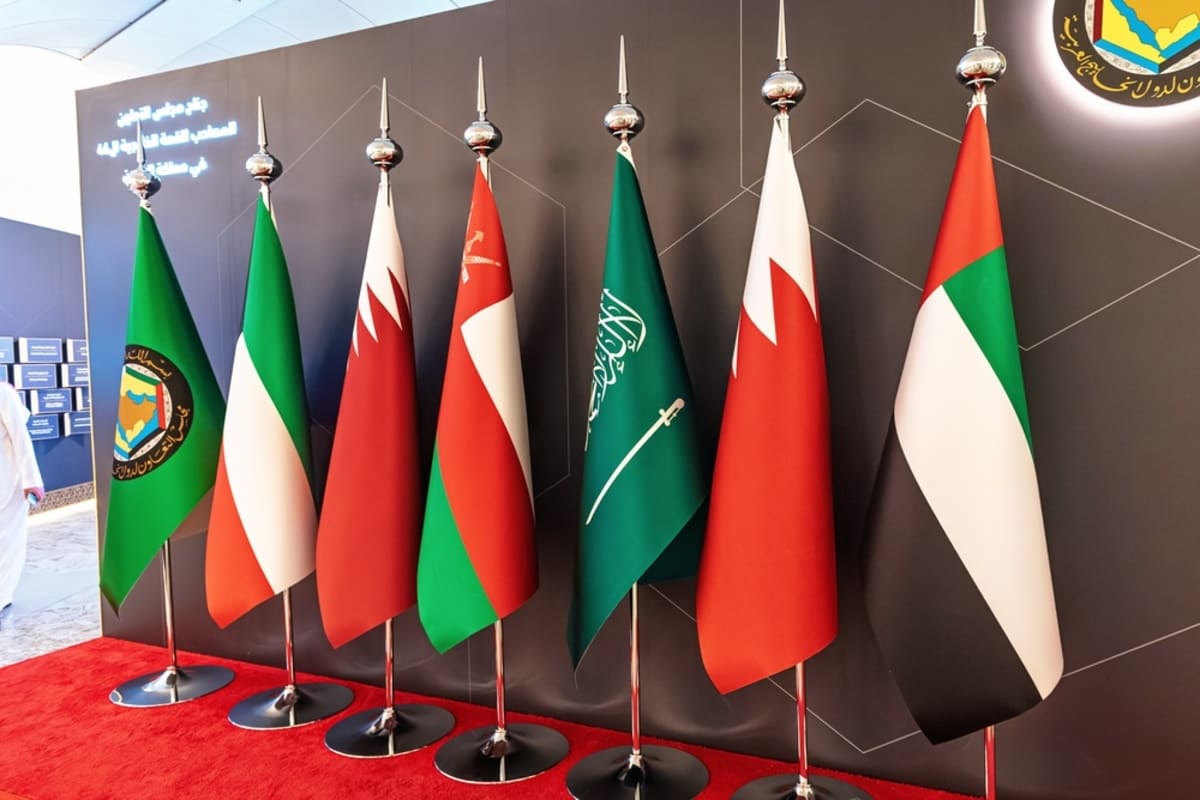
The Gulf Cooperation Council (GCC) has maintained one of the world’s lowest inflation rates, with consumer prices rising by just 1.8 percent in 2025, according to the latest report issued by the GCC Statistical Centre.
The figure remains below the 2 percent threshold for the second consecutive year, highlighting the region’s continued resilience amid global economic uncertainty.
The report attributes the steady inflation rate to the effectiveness of fiscal and monetary policies adopted across GCC member states, which have helped contain price pressures despite ongoing volatility in global supply chains, energy markets and geopolitical developments.
Compared with other major economies, the GCC recorded significantly lower inflation than emerging and developing economies (5.3 percent), the European Union (2.5 percent), the United States (2.6 percent), and Japan (3.2 percent), placing the Gulf region at less than half the global average and below most of its key trading partners.
Inflation across the GCC has followed a moderate trajectory over recent years, rising from 1.5 percent in 2020 to a peak of 3.2 percent in 2022, before easing to 2.3 percent in 2023, 1.6 percent in 2024, and edging slightly higher to 1.8 percent in 2025.
The strongest price increases during 2025 were recorded in miscellaneous goods and services (5.4 percent) and housing (4 percent), followed by culture and recreation (2 percent), restaurants and hotels (1.6 percent), food and beverages (1.2 percent) and education (1 percent). Meanwhile, transport costs declined by 0.2 percent, helping offset broader inflationary pressures.
Saudi Arabia accounted for the largest share of the GCC inflation index at 72.4 percent, followed by the United Arab Emirates (12.1 percent) and Kuwait (11.2 percent), reflecting the relative size of their economies within the regional inflation basket.
Housing remained the single biggest contributor to inflation, representing 48.9 percent of the overall index, followed by miscellaneous goods and services at 24.3 percent and food and beverages at 14.1 percent, indicating that domestic structural factors continue to play a greater role in shaping price trends.
The report also noted that a 2.1 percent decline in global food and beverage prices helped ease inflationary pressures, although a 15.2 percent increase in natural gas prices, coupled with geopolitical tensions, continued to pose risks to price stability.
For Kuwait, inflation has gradually moderated after peaking at 4 percent in 2022. The country’s inflation rate eased to 2.4 percent in 2025, reflecting a steady return to price stability in line with broader regional trends.
The findings reinforce the GCC’s position as one of the world’s most stable economic regions, demonstrating the effectiveness of coordinated economic policies in preserving purchasing power and maintaining a favorable environment for investment and sustainable growth.