
Remember me





If your Wi-Fi works fine in some parts of the house but feels downright miserable in others, you're probably dealing with Wi-Fi dead zones. And yes, they can still be a thing even right next to your router under the wrong circumstances.
Before you start buying Wi-Fi extenders or mesh Wi-Fi systems, or even a switch, you might be able to fix the issue for free with one of these three golden rules.
Put the router where the signal actually needs to go The ISP's cable entry point is rarely the best Wi-Fi spot Credit: Adam Davidson / How-To Geek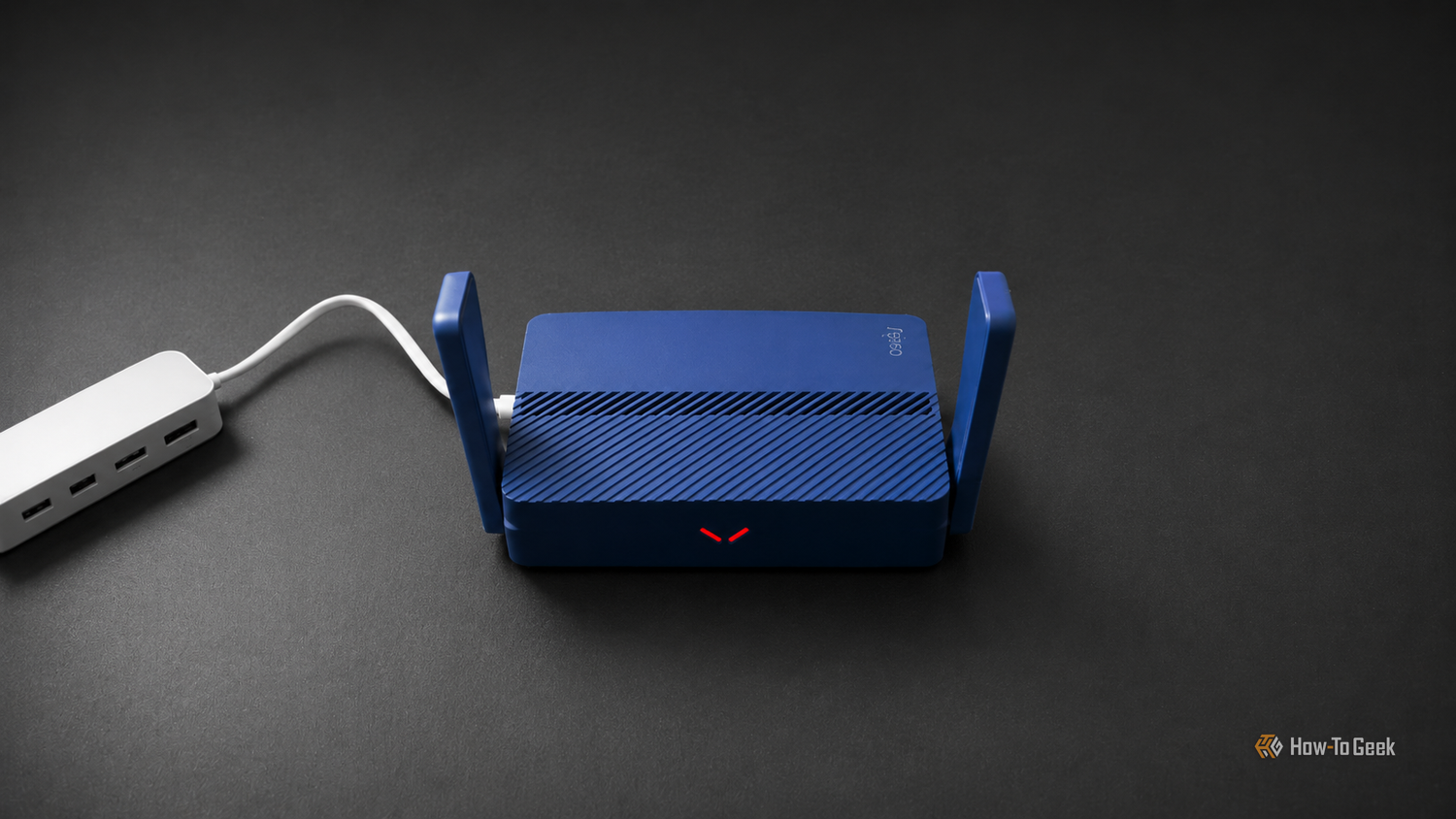
 Credit: Ismar Hrnjicevic / How-To Geek
 Credit: Bertel King / How-To Geek
 Credit: Patrick Campanale / How-To GeekClose
 Credit: Adam Davidson / How-To Geek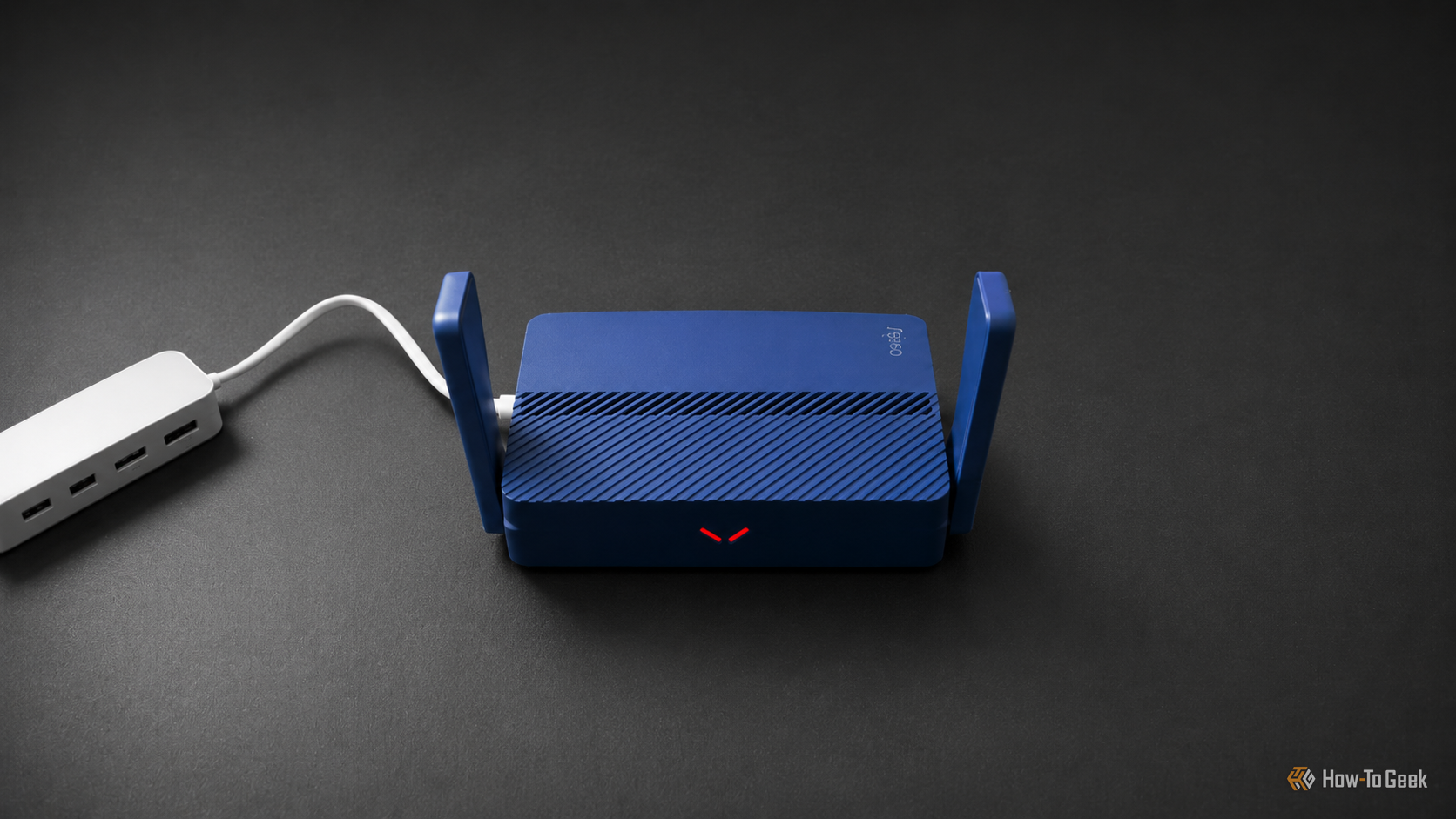
 Credit: Ismar Hrnjicevic / How-To Geek
 Credit: Bertel King / How-To Geek
 Credit: Patrick Campanale / How-To Geek
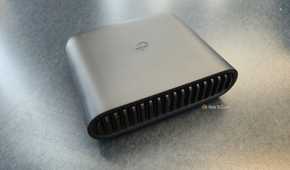
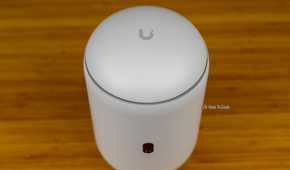
A router's default home is usually wherever the internet connection enters the house, plus however long the cable will last without becoming an eyesore. But that's often not where the Wi-Fi signal will do the most good.
I've kept my routers in the far side of the living room, in a cabinet, tucked away on a shelf behind some books, and so on. I rarely wondered why my Wi-Fi signal was so poor, though; I assumed that with routers, what you see is what you get. In my case, I kept my router wherever it was convenient for me instead of trying to optimize its placement, and eventually, the poor performance pushed me into changing my ways.
If most of your devices are away from your router, it's a good idea to change that. Your router should be biased toward the spaces where you actually use Wi-Fi instead of sitting wherever you first installed it.
Think of it less like hiding a box and more like aiming coverage. A router near an exterior wall wastes part of its range outside, while one tucked into a corner has to push signal through more walls before it reaches the rooms you actually use. Even moving it a few feet inward can help, and if the modem has to stay put, a longer Ethernet cable can let the router move to a better spot without changing your whole setup.
Keep the router elevated, visible, and out in the open Cabinets, floors, and tidy hiding spots are a no-go Credit: Sydney Louw Butler/How-To Geek
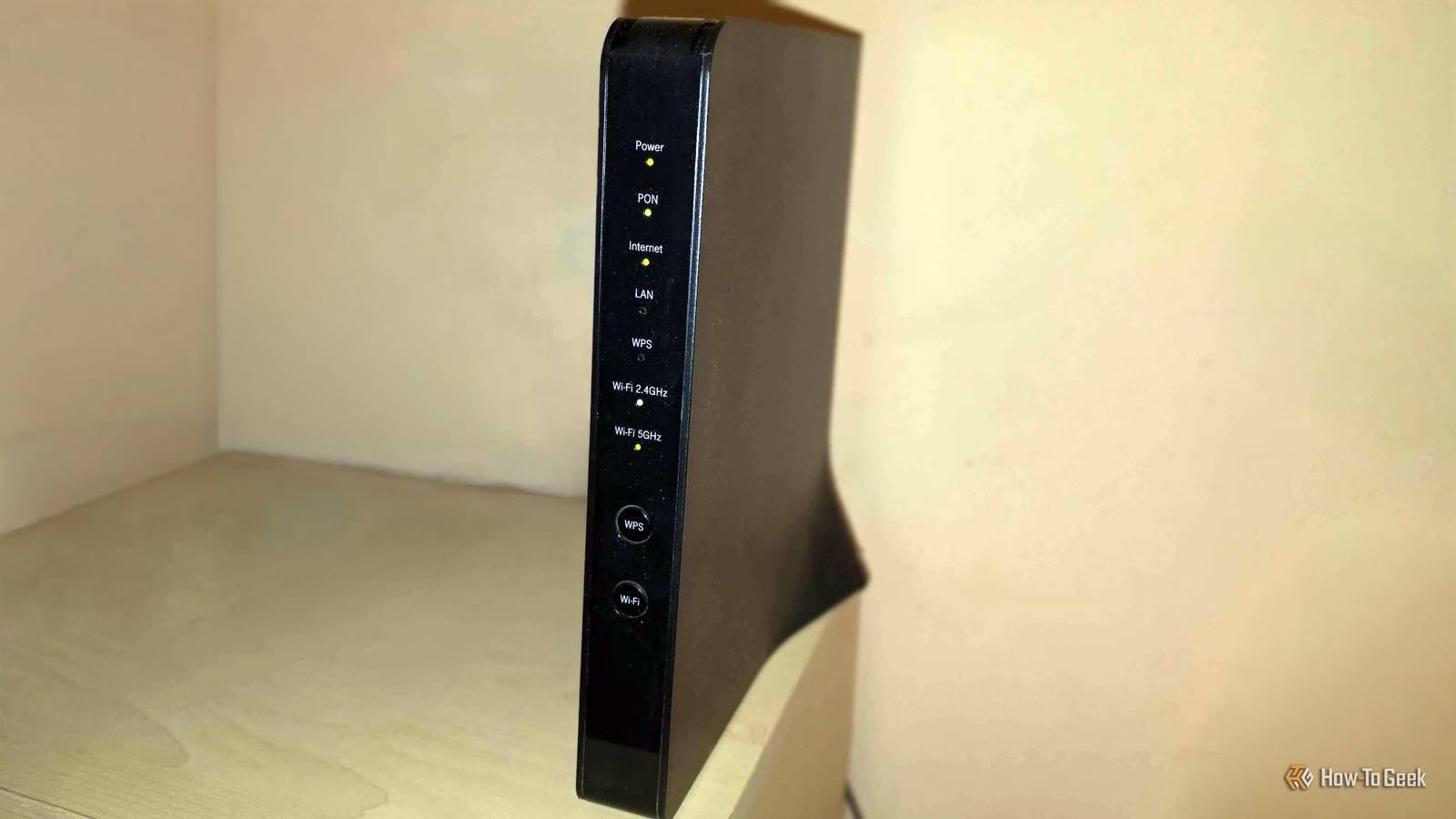
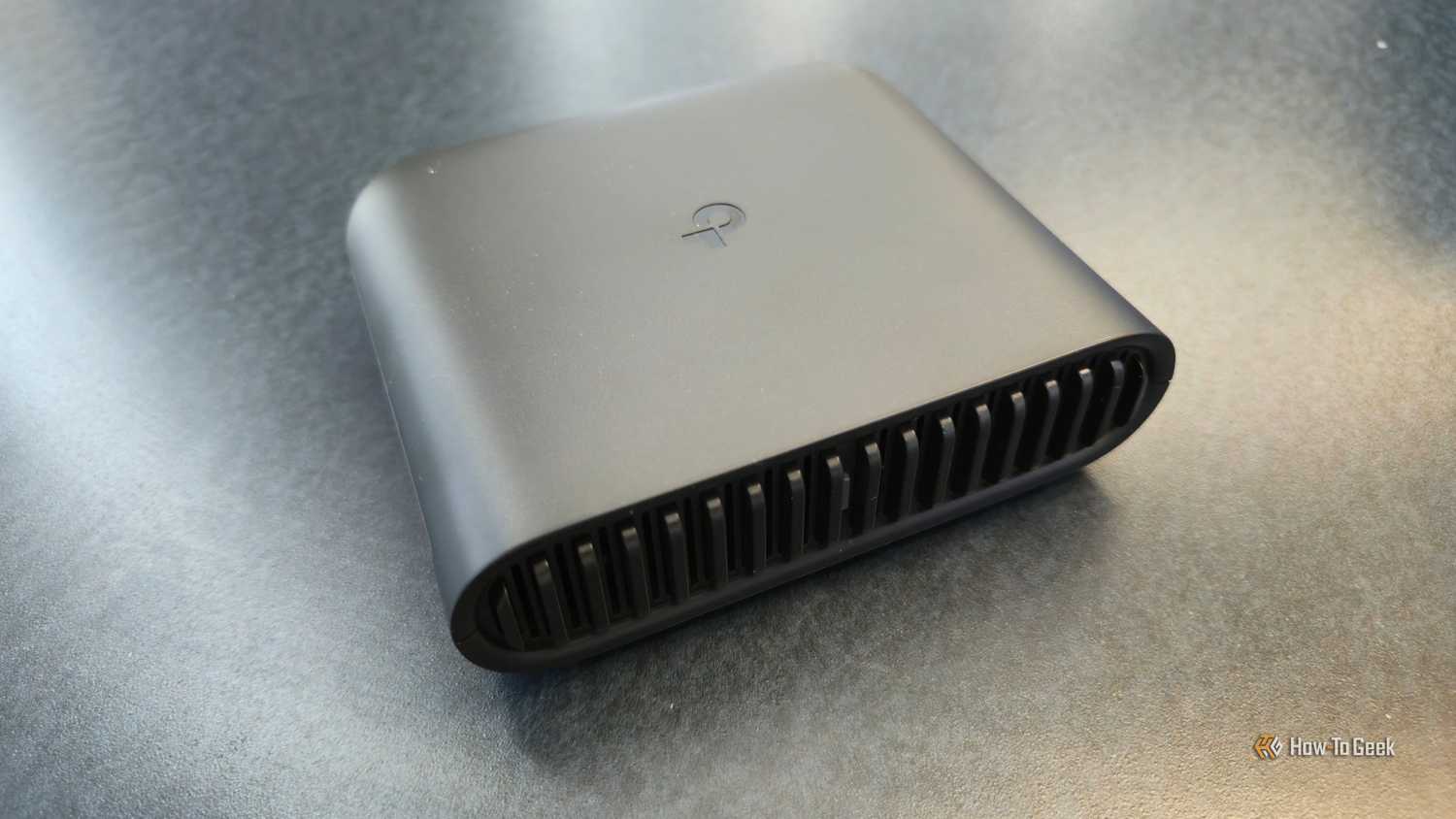
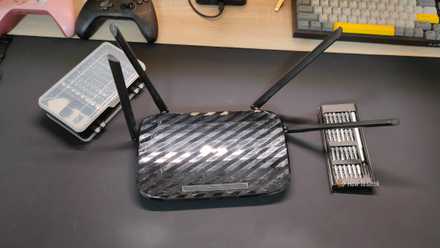
The second rule is simple, but annoying: your router probably shouldn't be hidden. I get the temptation, because many routers aren't exactly pretty. (I don't know what's worse, the sad, slim boxes the ISPs supply or the monster-like gaming routers.) And the routers are just one part of the puzzle, because cable clutter is a pain to deal with, too.
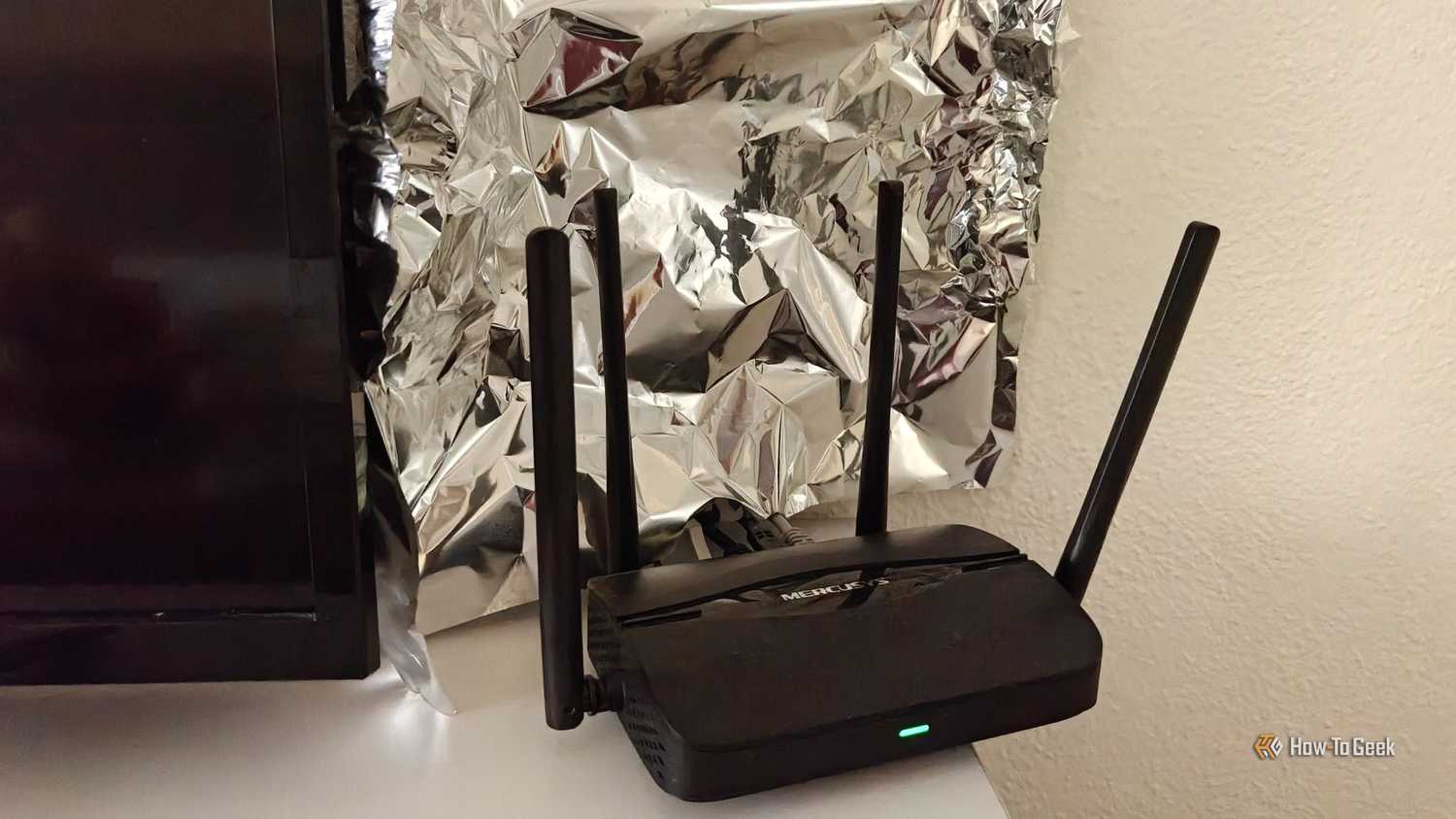
But putting the router inside a cabinet, behind the TV, under your desk, or low on the floor is a great way to make its job harder. The signal has to fight its way through furniture, electronics, walls, and whatever else is surrounding it before it even gets a fair chance to reach the rest of the house.
A better spot is somewhere open, raised, and practical. Think a shelf, a small table, the top of a cabinet, or a wall-mounted position with some empty space around it. You don't need to display it like a trophy, but don't bury it, either.
 Related
Don't trash your old router: Turn it into a wired workhorse instead
Related
Don't trash your old router: Turn it into a wired workhorse instead
Wi-Fi standards moved on, but your old router can still do something useful
Keep it away from signal blockers and interference sources Walls, metal appliances, and water are the dead zone red flags Credit: Ismar Hrnjicevic / How-To Geek
The third and final rule is to stop treating your router like some kind of magic device that can fight its way through anything. Wi-Fi is convenient, but it's still a radio signal, and some parts of your home are much better at ruining it than others.
Thick walls, brick, concrete, metal shelving, mirrors, large appliances, and even aquariums can all weaken or bounce the signal in ways that create weird dead spots.
Other electronics can add to this mess, too. Especially if you're relying on the 2.4GHz band. Microwaves, baby monitors, older cordless phones, Bluetooth devices, and neighboring Wi-Fi networks can all add noise to an already struggling connection.
The right spot is the cheapest Wi-Fi upgradeFinding a good spot for your router is not easy. Worse yet, it's a nuisance. No one likes to have cables running through the house, and a router is rarely a decorative piece that makes your living room shine. But instead of wasting money on pointless upgrades, try to fix the dead zone issue first. You might be surprised to see how well it works in the end.