
Remember me




I live in a fully decked out smart home, but I didn't start out interested in smart home tech. In fact, I long considered smart home features to be a negative that I actively avoided. Now that I've incorporated them into my life, here are smart devices I once considered dumb that I have now come to appreciate.
Wi-Fi connected fans It's once I'm lying or sitting down that I notice the fan isn't on Credit: Bertel King / How-To Geek
I have two favorite tech products of the past year. One might not be surprising: the Moto Razor Fold, a book-style foldable phone that has replaced my PC. The other is a smart fan, specifically the SwitchBot Standing Circular Fan.
Admittedly, most of what I love about this fan has little to do with the internet. I think it's gorgeous, I love that it can run off of a battery for up to 12 hours, and it is nearly silent. But the smart home features are another luxury all their own. I don't have to remember where I left the remote or press the buttons on the base because I can simply turn the fan on, adjust its speed, and turn on the built-in light directly from my phone.
My floor fans are not alone. I've also connected my ceiling fans to smart switches, which makes it much easier to keep track of which rooms fans have been left running in throughout the house.
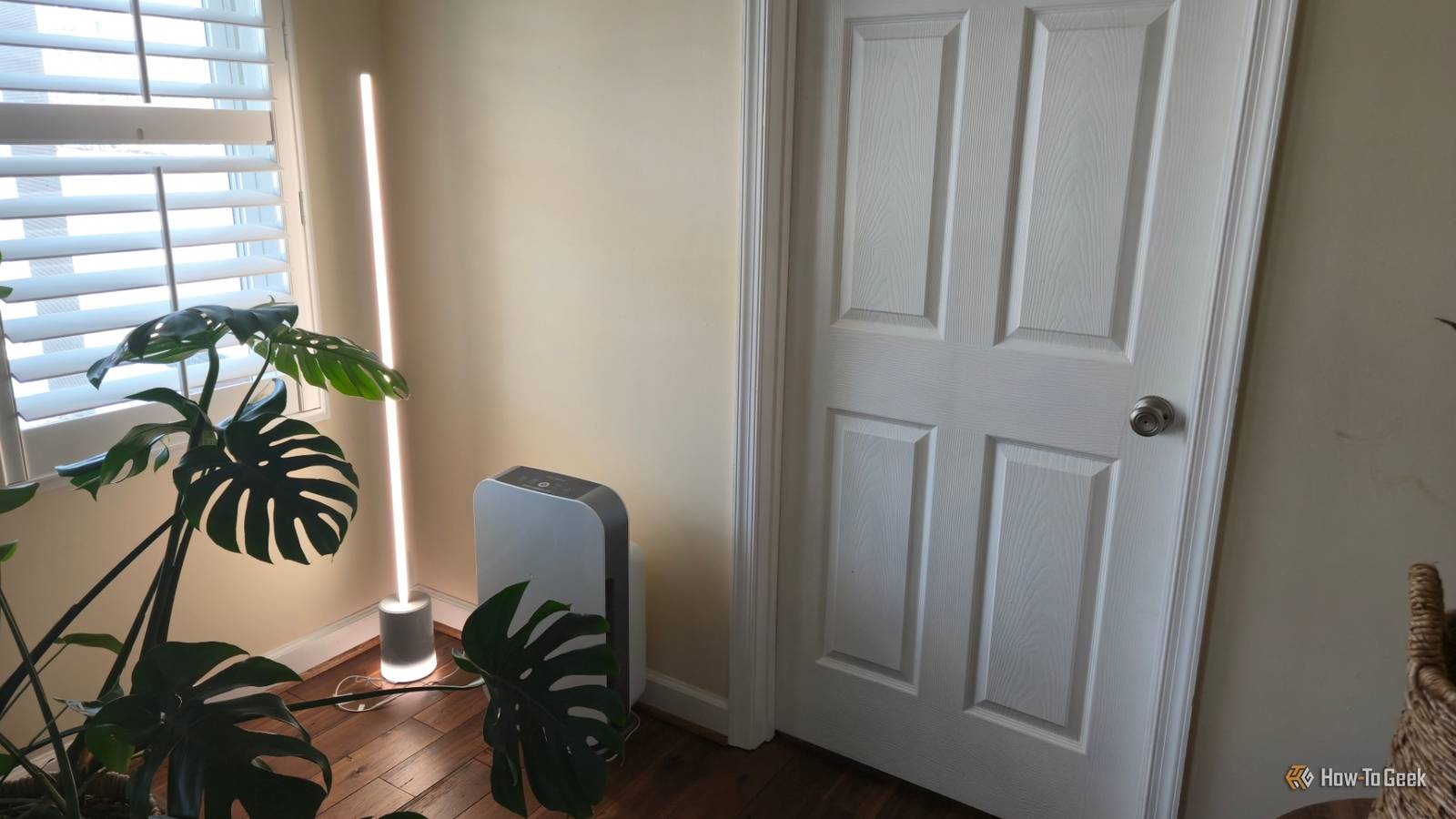
Smart lighting in general From smart bulbs to floor lamps and string lightsWhen I hear people talk about smart lights, they often emphasize the ability to ask a smart speaker to turn the lights on or the option to change colors. Neither of those appeal to me. Yet I've come to consider smart lighting no longer a nice-to-have, but essential. This is because I’ve noticed the impact on my quality of life that adjustable lighting has.
Being able to change a light's color does not necessarily mean that my room needs to glow cyan. It does mean I can now change a warm-tinted bulb into a white-tinted one, and I can dim it to exactly the amount of light that I find comfortable at night, which varies from the amount of light that my spouse finds comfortable. I am now better able to work at night or in the early morning because I have light sources available that don't immediately give me headaches or hurt my eyes.
Smart thermostats I don't use mine often, but I love it when I do Credit: Bertel King / How-To Geek
Thermostats aren't something I interact with daily. Before I had a smart thermostat, I had a programmable one. I set the thermostat to operate on a schedule and then rarely thought about it. This worked well for us, but there are a few times throughout the year when we do want to manually intervene.
The time when I appreciate my Honeywell Home X8S smart thermostat the most is when I wake up in the middle of a muggy night and have a hard time falling asleep. I can lie there, sweating and frustrated, or I can get up and walk down the hall to adjust the thermostat. Unfortunately, the effort of getting myself out of bed and walking down the hall will likely wake me up enough that I have an even harder time drifting off. With a smart thermostat, I can roll over, tap a few icons on my phone, and have the room start cooling down.
As a parent of two young kids, there have been times when I felt I would pay any amount of money just to get some rest. Compared to the cost of child care and babysitting, a smart thermostat might as well be pennies, and it makes a difference. Thermostats like the Aqara Hub W200 can even double as Matter hubs, becoming the foundation of your smart home.
Presence and motion sensors These form the foundation of smart home automations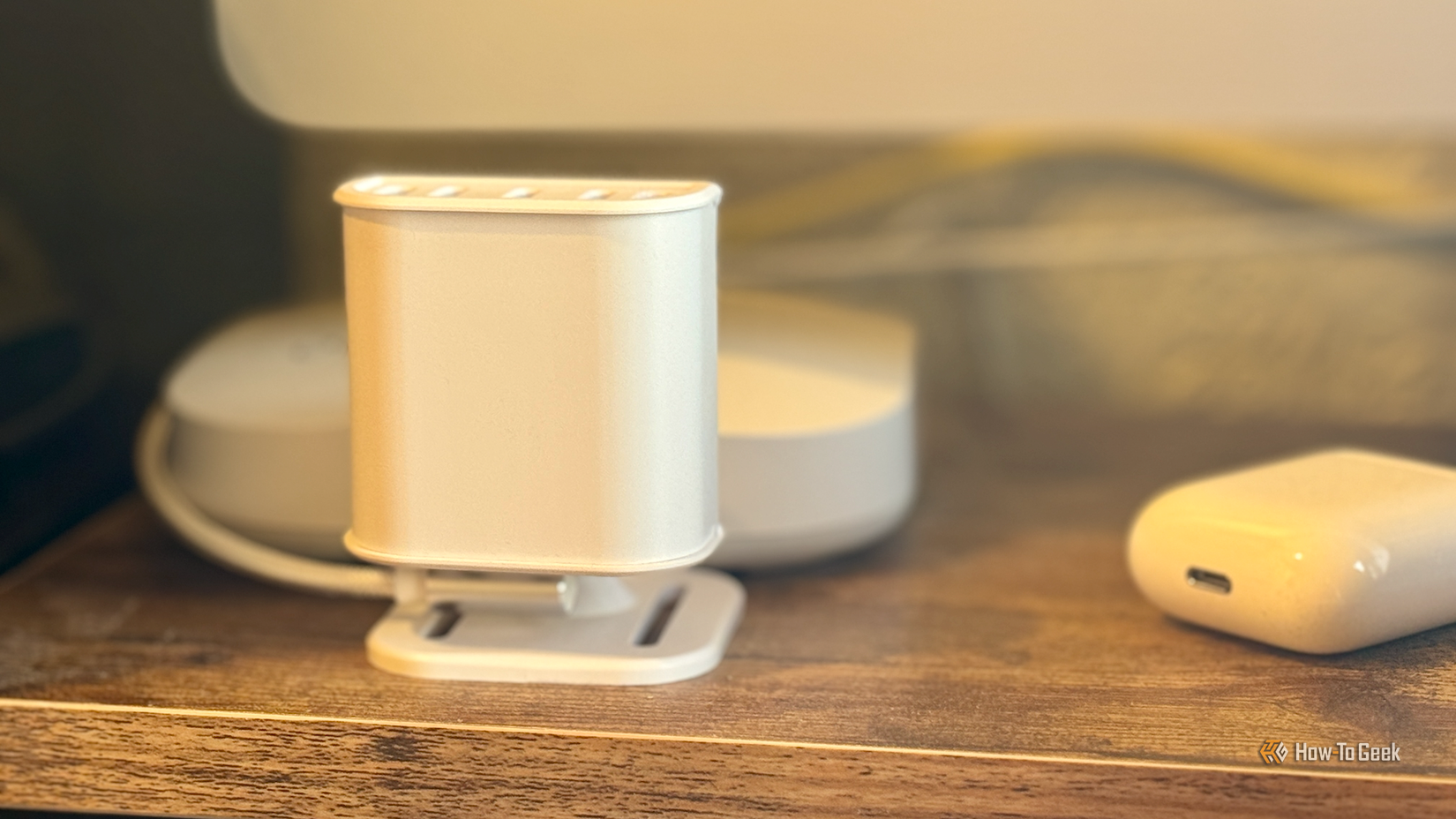 Credit: Adam Davidson / How-To Geek
Filling my house with motion detectors is something that once sounded sketchy to me. Now I understand that these kinds of sensors are really fundamental to building a smart home that isn't reliant entirely on smartphone apps and voice commands. If I want my house to automatically turn things on and off at appropriate times, I need devices that can sense us.
That said, I've come to see that motion sensors don’t cut it for me. They aren’t bad; there just aren't many things I want to trigger simply when movement is detected. So I'm instead investing in presence sensors.
Presence sensors can detect whether someone is in an area and can discern when they leave. We have ceiling fans in all of our main living areas, and I would like those fans to turn on when someone is there and turn off when someone isn't. I'd like to do the same for some of the lights that tend to get left on. Once you become interested in automating your house in this way, there just isn't that much you can do without buying a few presence sensors. I'm taking inspiration from the way my colleague uses them with Home Assistant to automate his morning routine.
I have become a smart home evangelistOur smart home has been a surprising improvement to our family life. I now feel much less anxiety about family members leaving lights on, since I don't have to follow behind them to physically turn everything off. While it would be nice if the people around us didn't do things that frustrate us, that's rarely how the world works. But if the technology we use can alleviate some of the friction between us, that's a worthwhile investment, and it hasn't been nearly as expensive as I would have thought.