
Remember me


When I first switched from Plex to Jellyfin, I was immediately taken with how easy it was to set up and how reliable it seemed in use. And yet it took a while before I discovered all of Jellyfin's capabilities. What seems like a fairly stripped-back app actually hides many powerful features that can enhance your user experience.
Hardware acceleration Help cut buffering when transcodingIf you're coming from Plex, you'll probably know that hardware acceleration for transcoding is locked behind the Plex Pass paywall. And there's a good chance you decided not to bother with it as a result. With Jellyfin, hardware acceleration is free, just like everything else with the software.
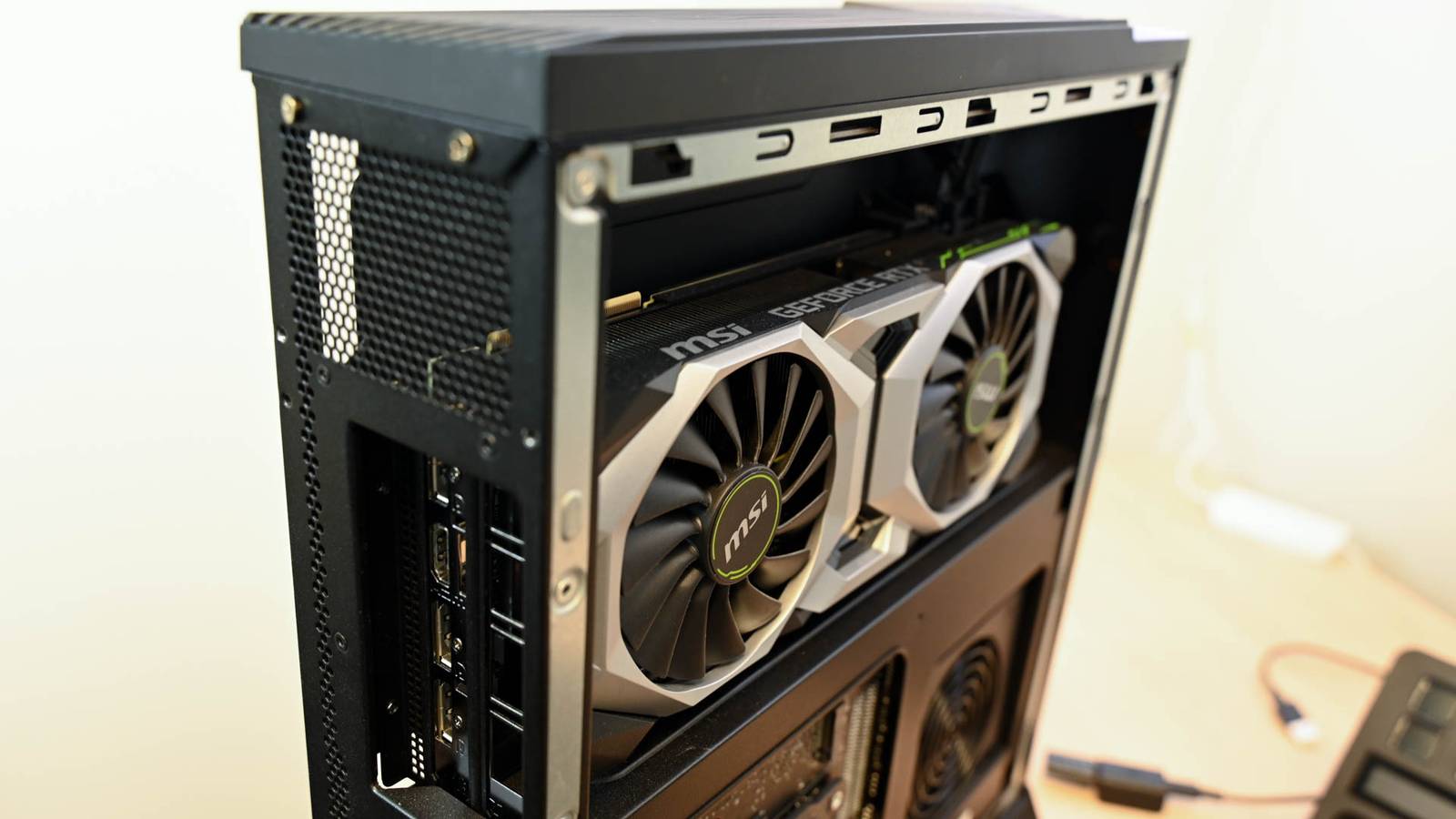
Hardware acceleration uses your GPU for transcoding files rather than the CPU. It's generally faster and more efficient and can significantly reduce things like buffering and stuttering, especially when you're transcoding more than one file at a time. In Jellyfin, there's support for most common GPUs, including Intel, Nvidia, Apple, and many more. To use it is as simple as toggling it on.
In fact, hardware acceleration is just one of several free features in Jellyfin that you have to pay for in Plex. Another one that I've taken to using all the time is the download feature. It makes it trivial to watch files from your Jellyfin media library even in places where you don't have an internet connection.
Intro-skip detection Binge without interruptions
If you've got a lot of TV shows in your media library, an intro-skipping feature is absolutely essential. Jellyfin doesn't have one built in. However, you can add it through one of the many available Jellyfin plugins. The plugin in question is called Intro Skipper, and it gives you the power to jump the opening titles and credits. It makes binging TV shows a lot more enjoyable.
Plugins are another of the somewhat hidden features in Jellyfin. Although you don't have to use them, they do massively enhance the app. They're most likely overlooked because they're a little more technical to install and use, but once you master how to do it, the options are endless. Among my favorites are the In-Episode Preview plugin, the Home Screen Sections plugin, and the Playback Reporting stats plugin.
Trickplay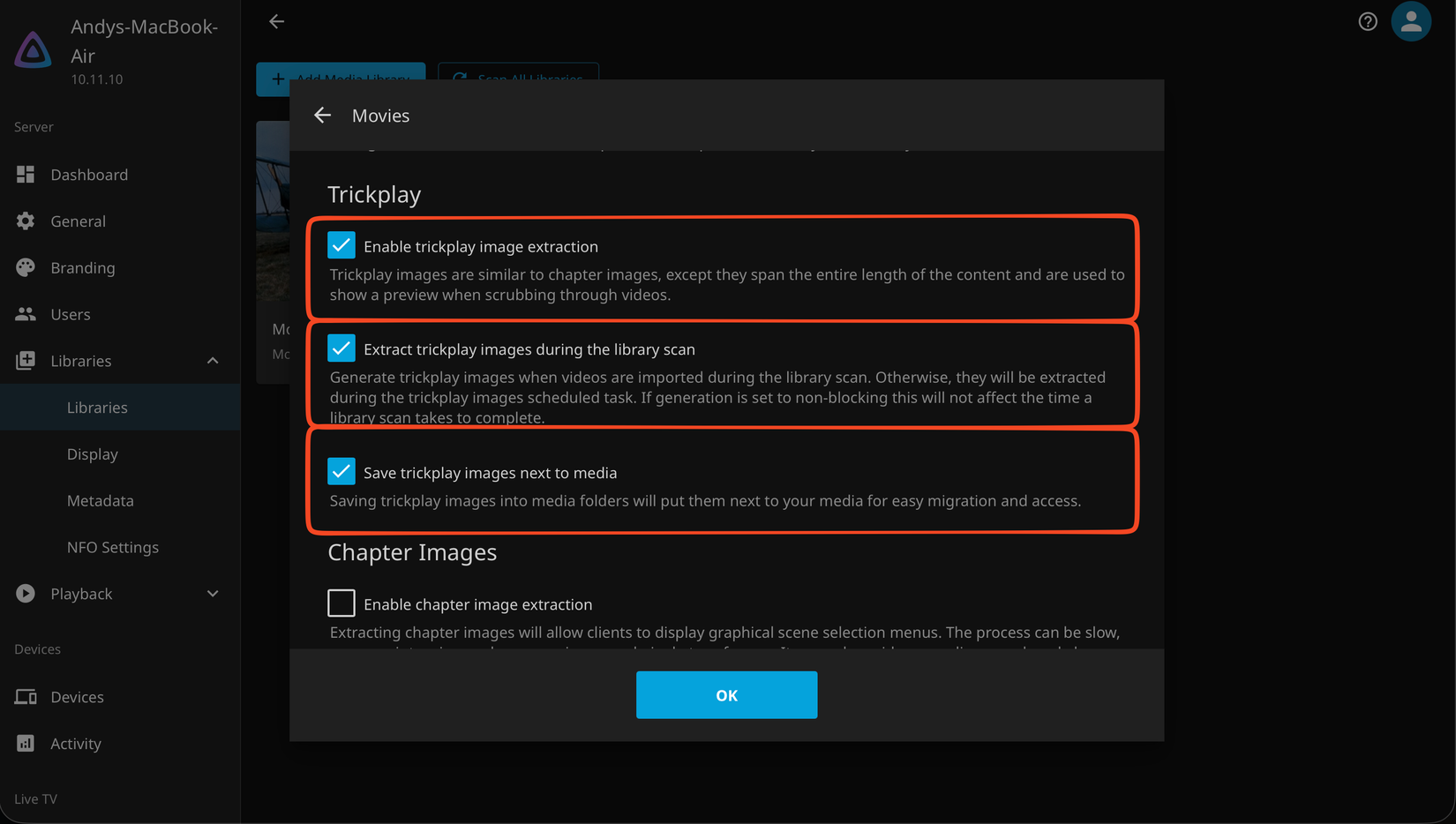
Trickplay generates a series of tiny thumbnail images for when you're scrubbing through a video. They make it much easier to fast-forward through a movie or TV show and get to the exact moment that you want to watch. Jellyfin uses basic chapter thumbnails by default. Trickplay, which is much more powerful and precise, is actually disabled and is rather difficult to find. Enabling it is one of the easiest upgrades you can make.
To enable it, go to your Jellyfin dashboard, select Libraries, and then click the three-dot menu button on one of your libraries and choose Manage Library. Now scroll down to find the Enable trickplay image extraction, Extract trickplay images during the library scan, and Save trickplay images next to media options.
Check all the boxes and then go to Playback > Trickplay. Here, you can even enable hardware acceleration to generate those thumbnails.
SyncPlay Watch with friends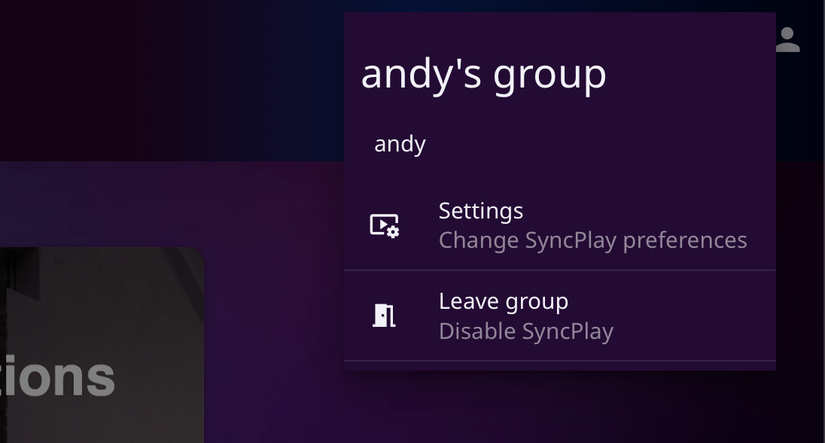
SyncPlay is a feature in Jellyfin that lets multiple users synchronize their video playback so they can watch the same videos together. It's similar to the Watch Together feature in Plex that proved popular during the pandemic. SyncPlay makes watch parties very simple to set up. In my experience, it can be a little bit hit-and-miss, falling out of sync or serving up the wrong video. But when you get it working, it's a really nice addition to the Jellyfin functionality.
It works without needing any external services or accounts and is available to all your users automatically. You do need to make sure that your Jellyfin media server is accessible on an external network before you can connect.
Third-party client support Replace the official Jellyfin app with something better
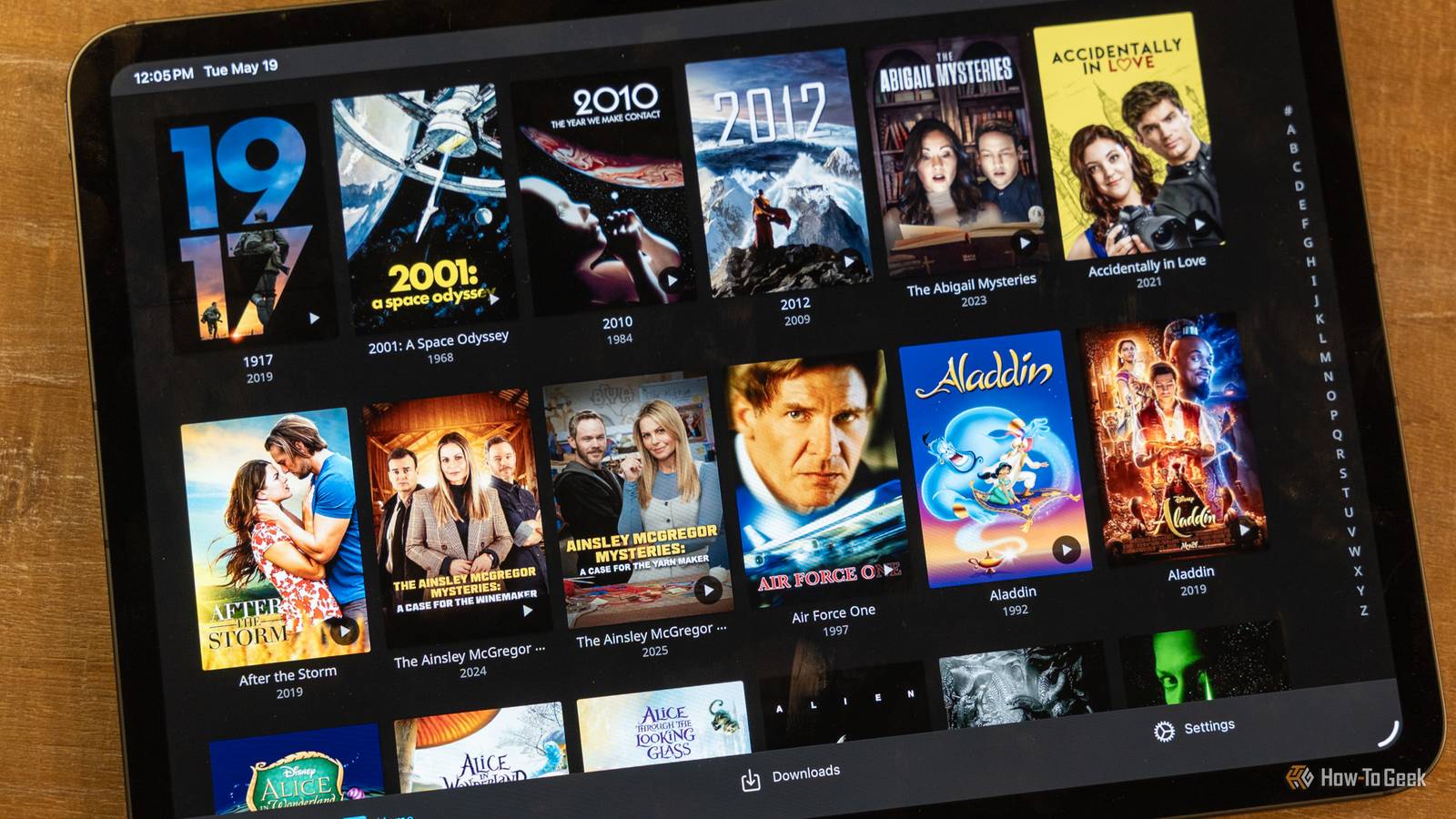
When I first started using Jellyfin, like most people, I automatically installed the official client apps on my devices. But the service really started to take off for me when I began to explore third-party clients instead. They completely change the look and feel of Jellyfin. They're far more polished, more akin to Plex or streaming apps like Netflix, and often add useful extra features.
My favorites are Moonfin, which I've got installed on my Android phone; Infuse, which I use on my Mac; and Wholphin, on my Amazon Fire TV Stick. But it isn't just limited to video clients. Finamp is another app I've got installed on my phone. It serves my music to me in a Spotify-style interface.
Jellyfin works well with the default software and the default settings. But you can enhance it very easily with a few tweaks that are often surprisingly well hidden. Whether it's improving the performance with hardware acceleration or changing out the interface by using a different client, it's worth exploring Jellyfin's more hidden settings to find out its true capabilities.