The EU aims to accelerate approval procedures for energy and charging infrastructure projects as part of a broader package of measures to modernise Europe’s electricity grids, known as the ‘EU Grid Package’. While the need for action is undisputed, trilogue negotiations are now focused on the details. Discussions between the Commission, Parliament, and Member States have seen Parliament adopt a position and push its demands for the ‘EU Grid Package’ further than the other two bodies.
Specifically, the Parliament’s Industry and Energy Committee, which leads on these matters, has voted in favour of regulations that could significantly impact the expansion of Europe’s charging network. However, nothing has been finalised yet. With Parliament’s position now established, negotiations on the final texts of the legislative package with the Member States will begin.
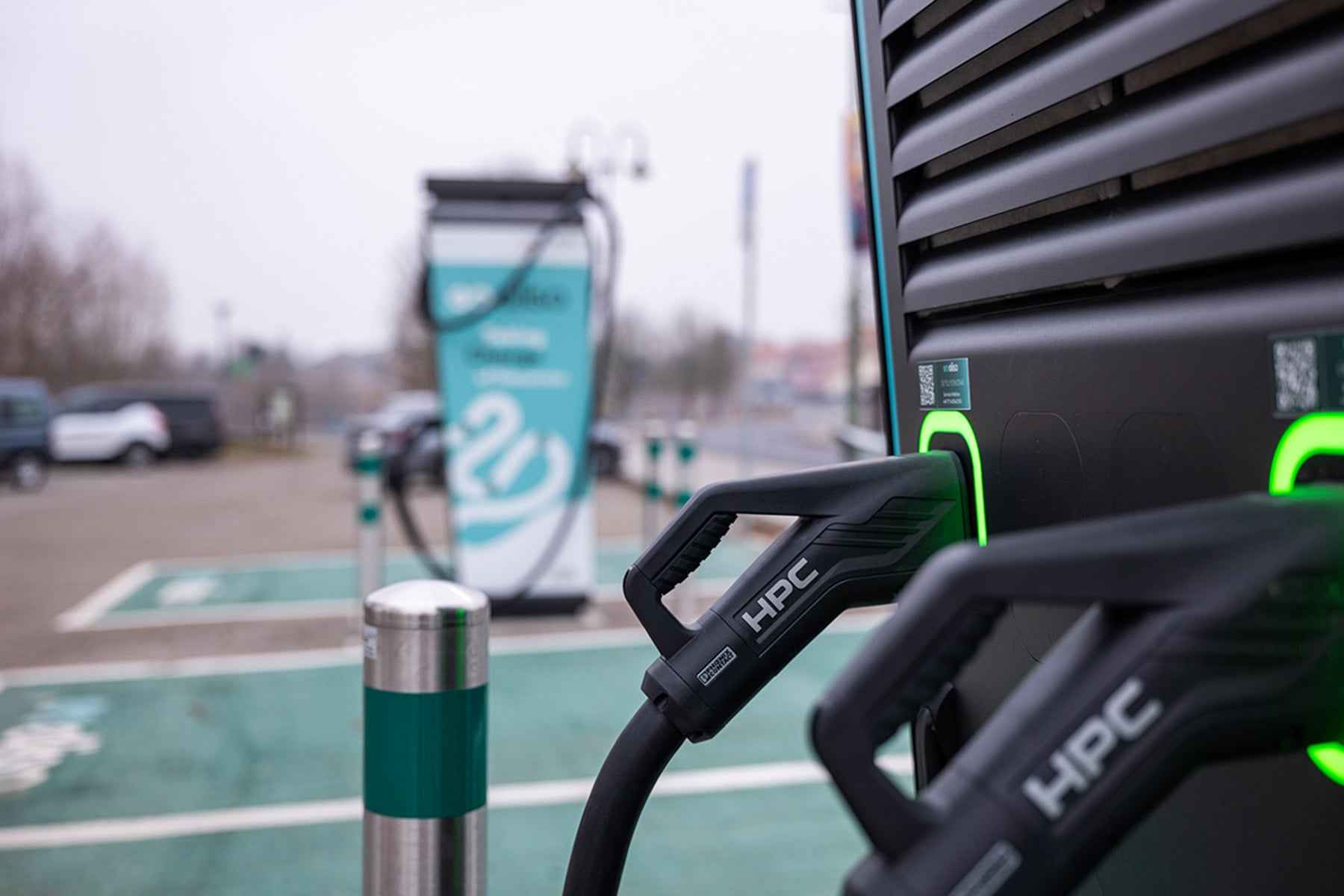
Let’s examine the MEPs’ draft proposals in detail. Members of the European Parliament propose raising the threshold for mandatory approval from 100 to 200kW for small solar installations, energy storage systems, and charging stations. Additionally, as previously mentioned, charging stations with a total installed capacity of 1 MW or less on ‘artificial structures’ would no longer require approval. However, the definition of ‘artificial structures’ remains unclear. The Greens, who initiated this demand, interpret the term to include motorway service areas, among other locations.
Also relevant to e-mobility: MEPs are calling for new rules, accelerated deadlines, and greater transparency in grid connection procedures. This includes a maximum approval period of three months for charging stations up to 1MW and six months for larger solar, storage, and charging stations on so-called artificial structures. With these proposals, Parliament is significantly shortening the deadlines previously suggested by the Commission, while the Council – representing the Member States – is advocating for an extension of the Commission’s proposal. Furthermore, Parliament supports the idea that applications not decided upon within the specified timeframe should be automatically approved. However, the Council opposes such a blanket rule.
Parliament’s additional proposals include a unified national digital portal for all approval steps and an EU-wide approval framework for electricity grid infrastructure. “Europe is highly dependent on costly imported fossil fuels and this needs to change. I’m happy we have adopted a very ambitious agreement that will make a real difference on the ground, without sacrificing environmental standards,” commented Niels Fuglsang, Chair of the European Parliament. “With this text, we are speeding up the building of Europe’s electricity grids and home-grown renewables, which is urgently needed to ensure affordable energy and energy independence through the electrification of European households and industry, not to mention its critical importance in order to reach Europe’s energy and climate targets,” he added.
While the Industry and Energy Committee sealed Parliament’s position this week with 57 votes in favour, 3 against, and 8 abstentions, a tug-of-war is now expected. The final agreement is likely to see Parliament unable to uphold many of its maximum demands. “Interinstitutional negotiations will start under the Irish Presidency of the Council, following the Council’s adoption of its own position on the file and once the Parliament’s mandate has been confirmed by plenary,” Parliament stated regarding the next steps.
europarl.europa.eu (EN), michaelbloss.eu (DE)