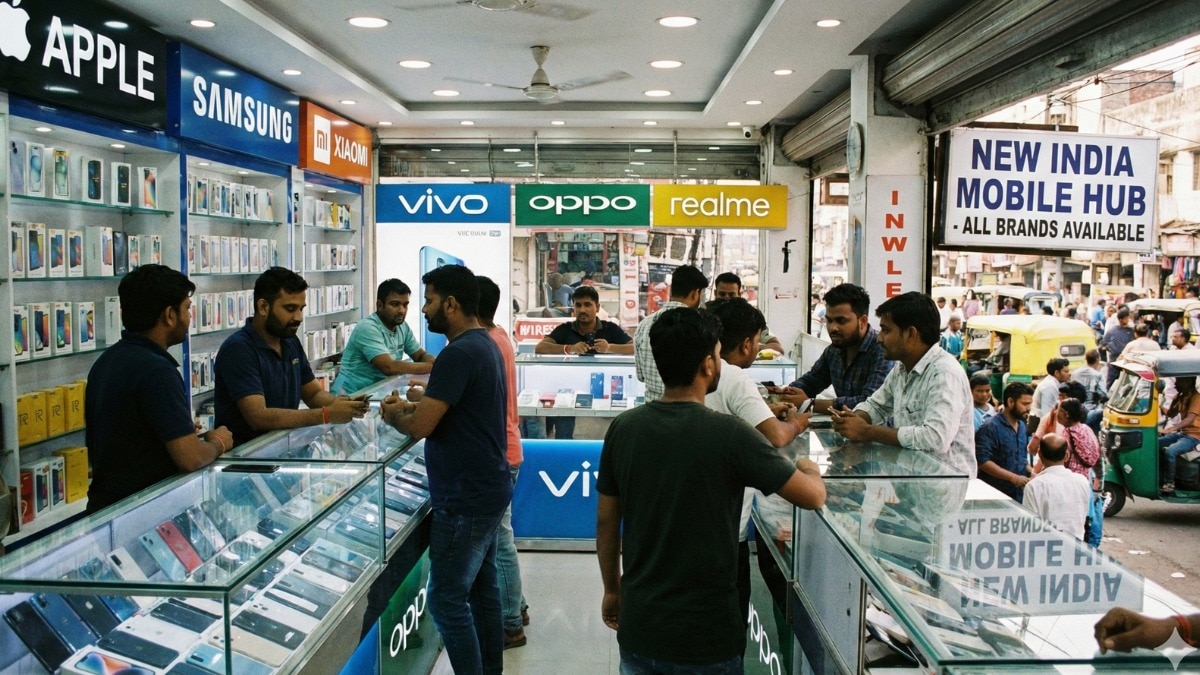
The ongoing memory crisis has proven wrong the long-held belief that digital gadgets should get cheaper and cheaper over time. Shortly after Apple increased the prices of its devices across MacBook and iPad, a fresh report says Chinese smartphone makers, including Xiaomi, Oppo and Vivo, will cut shipment targets by up to 30 per cent this year. This is because of the severe shortage of components and the rising costs, which are squeezing the industry.
According to Nekki Asia, Xiaomi – the world's third-largest smartphone brand behind Samsung and Apple – had already given suppliers a modest forecast of around 135 million units for the year, a steep drop from the 170 million phones it shipped in 2025. Now, Xiaomi has cut that number by another 30 per cent, bringing its target down to roughly 95 million units. The company has also warned suppliers that the number could fall even further if the supply situation doesn't improve.
Oppo and Vivo have followed a similar path, lowering their own forecasts to under 90 million units each. Honor, which shipped a record 71 million phones last year, has told suppliers it may not be able to keep up that growth in 2026.
A supply chain battle with AI
The root of the problem is that smartphone makers are now competing directly with the artificial intelligence industry for the same components, particularly memory chips. Low-power DRAM chips, which were once made mainly for phones, are increasingly being funnelled into AI servers instead. A single processor tray used in Nvidia's AI hardware can consume a large number of these chips, and that demand has pushed smartphone makers further back in line when factories allocate production capacity.
This isn't limited to memory either. The report highlighted that nearly every type of electronic component, from processors to printed circuit boards to glass cloth, is facing higher prices or tighter supply. Even chip-packaging capacity has become harder to secure. Major chip designers like MediaTek and Qualcomm have shifted more of their attention toward the more profitable data centre business, and MediaTek has reportedly told that it plans to raise prices due to rising manufacturing costs.
The impact is especially painful for companies like Xiaomi, Oppo, and Vivo, which mostly sell budget and mid-range phones to price-sensitive customers. Unlike premium brands, they have little room to pass rising costs on to buyers, so cutting production has become their main way of avoiding losses on every device sold.
- Ends
Published On:
Jun 30, 2026 15:03 IST