Remember me


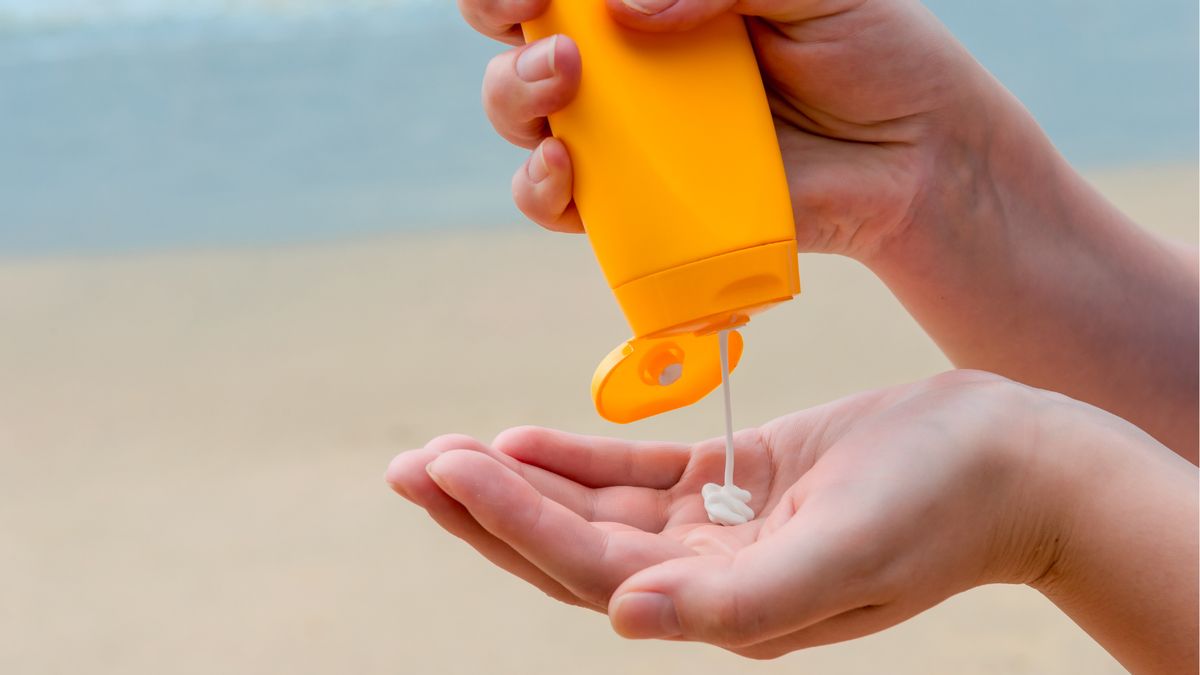







A scientific study determined that using sunscreen products “massively increases” the wearer’s chances of skin cancer, including melanoma, basal cell carcinoma and squamous cell carcinoma.
Rating:The study cited in the claim was not referring to the use of sunscreen products in general but rather the “sunscreen paradox,” the phenomenon of people allowing for extended exposure to UV light because of a “false sense of security” or not reapplying sunscreen throughout a day in the sun. The study ultimately emphasized “the importance of adequate and frequent sunscreen use and minimization of exposure to UV light.”
A rumor that a scientific study determined that wearing sunscreen "massively increases" the wearer's risk of common skin cancers circulated online in late June 2026.
One social media post about the alleged results of the study said, "The single LARGEST sunscreen-skin cancer study EVER conducted found sunscreen users face dramatically higher risks of EVERY major skin cancer."
Some versions of the claim circulated with a link to a story about the purported findings that cited only other social media posts on the topic.

(@toobaffled on X)
The claim was false.
The study cited in the claim was published in the November 2023 issue of the medical journal Cancer Epidemiology, Biomarkers & Prevention.
The study aimed to explore "gene-specific environment interactions in at-risk individuals" as it pertained to the link between sun exposure and skin cancers.
The factors studied included "sex, hair and skin color, and sun protection use," ultimately determining that darker skin and hair colors were "protective factors."
The study included no data to suggest that researchers found a link between the use of sunscreen products themselves and the user's risk of common skin cancers like melanoma, basal cell carcinoma and squamous cell carcinoma.
Instead, the study declared the opposite of what those sharing the claim suggested: there was no direct connection between the application of sunscreen and cancer, though the authors of the study wrote, "Surprisingly at first, frequent use of sunscreen was greatly associated with all cancers."
That association, the authors concluded, had nothing to do with the sunscreen itself, but was instead the result of people placing too much confidence in sunscreen's ability to prevent cancer, resulting in more exposure to UV light than they would otherwise get.
The authors also suggested that people could be using sunscreen improperly by failing to reapply it throughout the day, or that people in the sample who used more sunscreen could be doing so because they'd already received a skin cancer diagnosis.
The study's conclusion read:
This surprising association was reported in prior studies (31–33). This paradoxical finding was the increasing risk of skin cancers with increased sunscreen use, which we posit can be explained by greater exposure to UV light and/or a lack of reapplication of sunscreen throughout the day, or due to increased use of sun protection following skin cancer diagnosis. Collectively, however, these findings demonstrate the importance of adequate and frequent sunscreen use and minimization of exposure to UV light, particularly in individuals with fair skin.
[ … ]
Our study highlights the importance of conducting dynamic investigations of genetic variation by incorporating demographic, environmental and behavioral factors to fully appreciate the complex pathophysiology of skin cancers.
A different 2023 study published by McGill University researchers defined the so-called "sunscreen paradox" as a concept in which a person believes that wearing sunscreen "confers a false sense of security," leading to increased exposure. In reality, that study said, sunscreen is less effective at preventing skin cancer than wearing UV-protective clothing or avoiding the sun altogether.
The claim that the study found sunscreen increases cancer risk appeared to originate from the social media account of Nicolas Hulscher, a self-described epidemiologist who works for the McCullough Foundation, a conservative nonprofit organization that describes its mission as performing "independent investigations of public health conditions and policies."
We reached out to the McCullough Foundation to ask about the discrepancy between the study's conclusions and Mr. Hulscher's claim, how he arrived at that conclusion and whether the McCullough Foundation supported his interpretation of the findings. We will update this article if we hear back.
The same epidemiologist also appeared on "The Matt Gaetz Show" on the conservative network OAN to share the alleged findings, and a video of that appearance also circulated with some versions of the claim.
The organization has championed such causes as the government's alleged "failure to investigate deaths likely caused by COVID-19 vaccines" and published a study that autism can be caused by "routine childhood vaccination."
In 2022, the Credentials and Certification Committee of the American Board of Internal Medicine recommended that Peter McCullough, the organization's president, have his credentials revoked due to his promotion of concepts that were "not factual, scientifically grounded, or consensus driven."
A previous Snopes investigation looked into claims that sunscreen enters the bloodstream and removes the body's natural defense against cancer by blocking vitamin D. We found the claim to be mostly false (it's true that sunscreen can be absorbed into the bloodstream, but there is no evidence that it causes cancer or damages the immune system).
In sum, it's still a good idea to wear your sunscreen this summer.