What prevents a fashion brand from becoming just another label? Aditya Birla's CMO shares
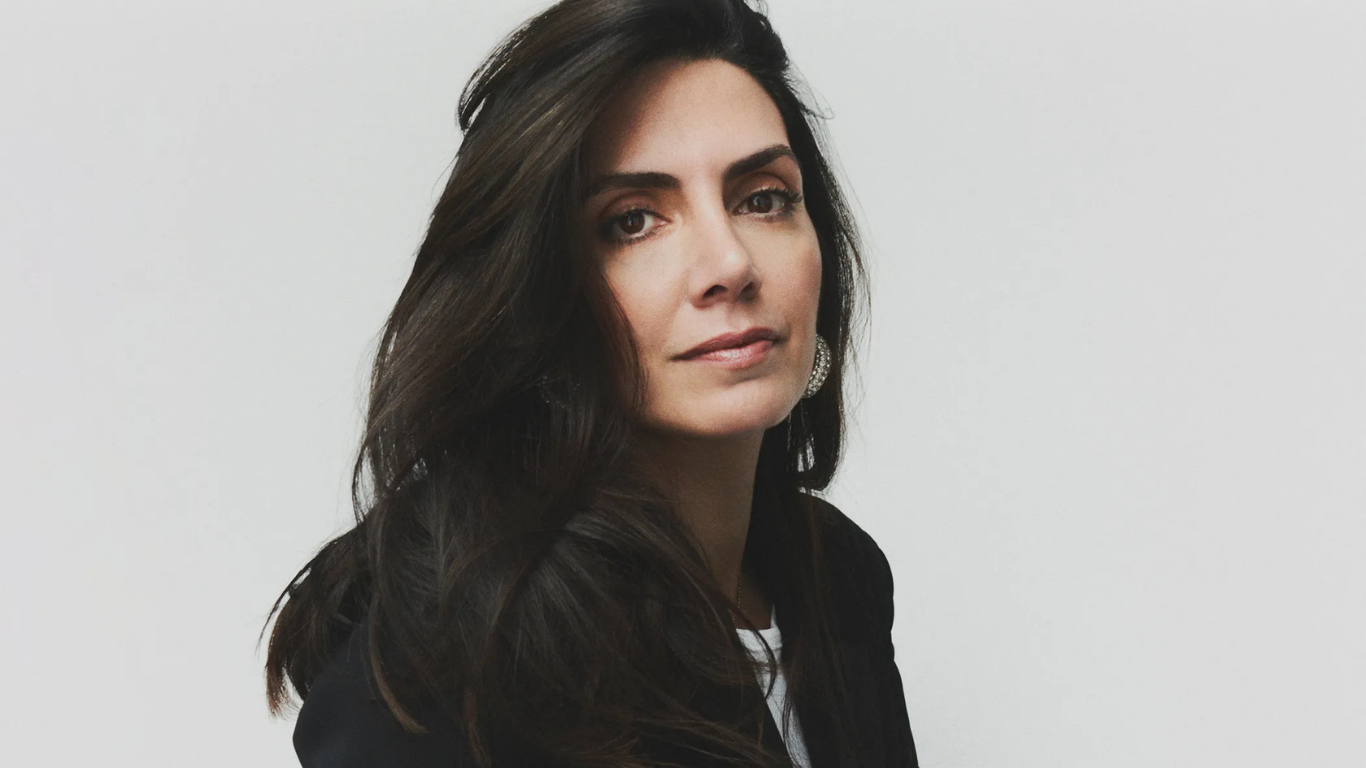
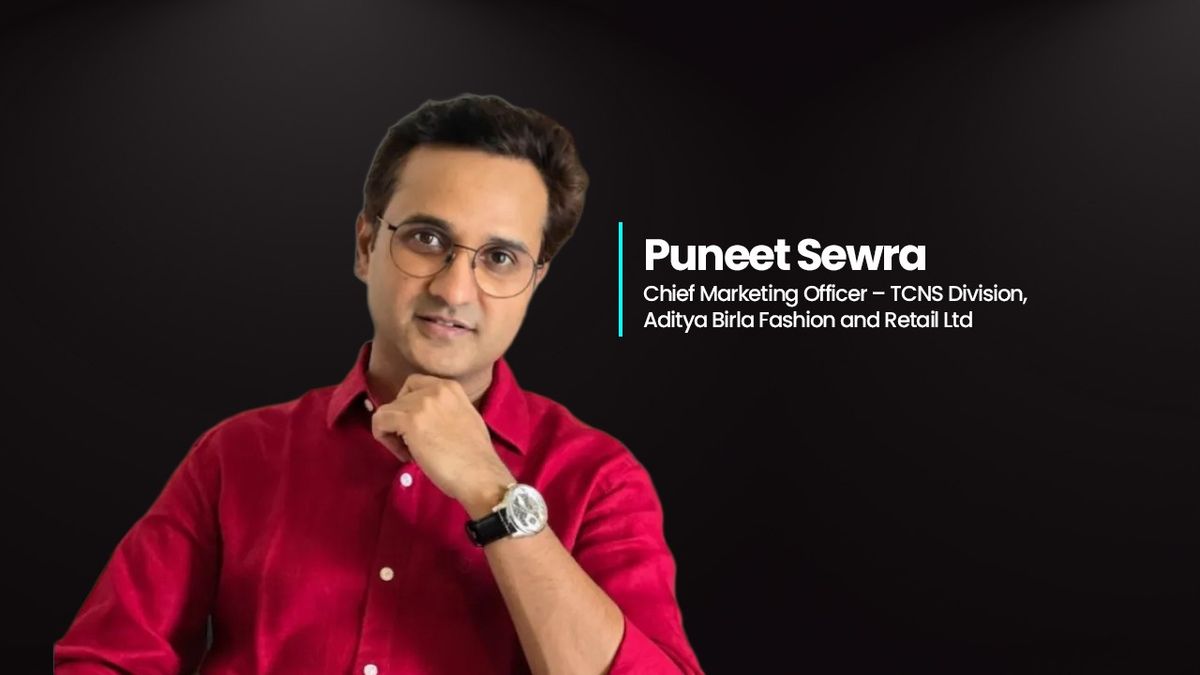
In The Devil Wears Prada, Miranda Priestly's now-famous "cerulean sweater" monologue dismantles the idea that fashion is simply about clothing. A seemingly ordinary blue sweater, she explains, is the result of a long chain of creative decisions, cultural influences, runway trends and brand storytelling. The scene remains one of fashion's most enduring lessons: products may fill wardrobes, but stories shape desire.That lesson feels particularly relevant today. Fashion has never moved faster. Trends emerge and disappear within weeks, consumers are inundated with choices across price points, and algorithms increasingly influence what people discover and buy. In such an environment, the challenge for brands is not just staying relevant but avoiding becoming interchangeable.For Puneet Sewra, Chief Marketing Officer, TCNS Division at Aditya Birla Fashion and Retail, this is where storytelling becomes critical. "In a market obsessed with speed and new trends every day, storytelling is the only thing that keeps a brand from becoming a commodity," he says.Leading brands such as WforWoman, Aurelia, Wishful, Folksong and Elleven under the TCNS portfolio, Sewra's role sits at the intersection of creativity, consumer insight and business outcomes. While each brand serves a distinct audience, he believes growth comes from balancing individuality with shared learnings. "We constantly study past performance and consumer shifts to refine our messaging across the board," he explains. "This allows us to take the data-driven wins from one brand and apply them as a blueprint for the next, ensuring that while the voices remain distinct, the execution is always backed by proven, group-wide expertise."As the industry grapples with another wave of transformation driven by artificial intelligence, Sewra argues that technology's value lies in amplifying, rather than replacing, human creativity. "AI will democratise creativity but only if guided by human intent," he says. "Ultimately, it is a tool, not the creator."That philosophy was recently reflected in WforWoman's AI-powered campaign following its Paris Fashion Week showcase. Rather than using AI as a novelty, the film extended the narrative beyond the runway, demonstrating how technology can help translate a creative idea into a richer storytelling experience. For Sewra, the opportunity lies in using emerging tools to deepen emotional engagement rather than automate it. "By combining the tools of today with our own imagination, we're able to create storytelling that feels both original and deeply personal," he says.The same thinking extends to retail, where the rules of differentiation are changing just as quickly.The in-store experienceFor years, omnichannel was positioned as retail's next big advantage. Brands raced to build e-commerce capabilities, launch apps and create seamless transitions between online and offline shopping. Today, however, those capabilities are largely expected. Consumers assume they can browse online, check inventory, receive personalised recommendations and complete purchases across multiple touchpoints without friction.As a result, the conversation is shifting from accessibility to experience. According to Sewra, convenience may get consumers through the door, but it is no longer enough to make a brand memorable."Today, convenience is just the entry point; real differentiation comes from building a genuine connection," he says.This shift is prompting fashion brands to rethink the role of physical retail. Rather than functioning solely as points of sale, stores are increasingly being designed as extensions of a brand's narrative. The rise of digital-first shopping has, somewhat paradoxically, increased the importance of creating meaningful in-store experiences that consumers cannot replicate on a screen.Across the industry, brands are investing in experiential retail, introducing virtual try-ons, interactive displays, AI-powered styling tools and personalised consultations into store environments. The objective is no longer just conversion; it is immersion.For WforWoman, this thinking informed the introduction of virtual try-ons for its Paris Fashion Week collection, allowing consumers to engage with runway looks digitally before experiencing them in-store. The initiative reflects a broader shift in how fashion moments are being activated. Campaigns and fashion week showcases are no longer treated as isolated events. Instead, they are expected to travel across touchpoints, from social media and e-commerce platforms to retail environments.Sewra sees physical stores as a crucial storytelling medium within this ecosystem."If our Instagram feed is our invitation, our stores are our home," he says. "We are seeing a clear move towards creating experiential spaces where the physical environment tells a story that digital can't fully capture."While digital channels increasingly drive discovery, stores remain the place where consumers engage with a brand through touch, atmosphere and human interaction. In an era where every brand has access to similar digital tools, the store is re-emerging as a competitive advantage. Not because it drives transactions alone, but because it has the ability to make a brand tangible. The new fashion consumerWhile fashion trends continue to move at breakneck speed, consumer behaviour is becoming increasingly intentional. As a result, fashion brands are being forced to rethink how they communicate with audiences."The modern consumer is seeking value, versatility and longevity," says Sewra. "We've evolved our storytelling to focus on durability and reliability. It's about proving that our pieces aren't just for a single trend, but are high-quality staples built for all the moments in a woman's life."This shift is also changing how brands segment consumers. Traditional markers such as age and income still matter, but mindset and occasion are becoming equally important."We've moved beyond rigid demographics because, in modern India, age is truly just a number," Sewra says. "It's no longer about selling a garment; it's about being relevant to the why behind her purchase."The balancing act between trend responsiveness and timelessness has become equally important. While fast fashion thrives on speed, Sewra believes brands need to pair agility with authenticity."If you only focus on speed, you're just chasing trends. If you only focus on legacy, you risk becoming static," he says. "The balance lies in what I call relevant innovation."The same principle is shaping creator partnerships. As consumers gravitate towards trusted voices and niche communities, brands are increasingly prioritising engagement over reach."While celebrity campaigns give us scale, niche influencers give us depth that drives real connection," says Sewra. "In my view, depth is the new scale."The next chapterFashion's future will undoubtedly be shaped by technology. AI capabilities will expand. Retail experiences will become more sophisticated. Data-driven personalisation will become increasingly precise.Yet throughout Sewra's perspective, one theme remains consistent: technology alone is not enough."The most critical capability will be the ability to humanise technology," he says.As AI becomes central to marketing and digital experiences become increasingly standardised, the real challenge for brands may not be adopting new tools but ensuring those tools continue to feel human.For Sewra, the industry's next chapter will be defined not by how much technology brands use, but by how thoughtfully they use it."What matters is not just using tools like AI, but using them to translate meaningful brand moments into stories people can feel and relate to, without losing the brand's soul."