From Reaction to Prevention: Using Remittances to Act Before Climate Crises Hit
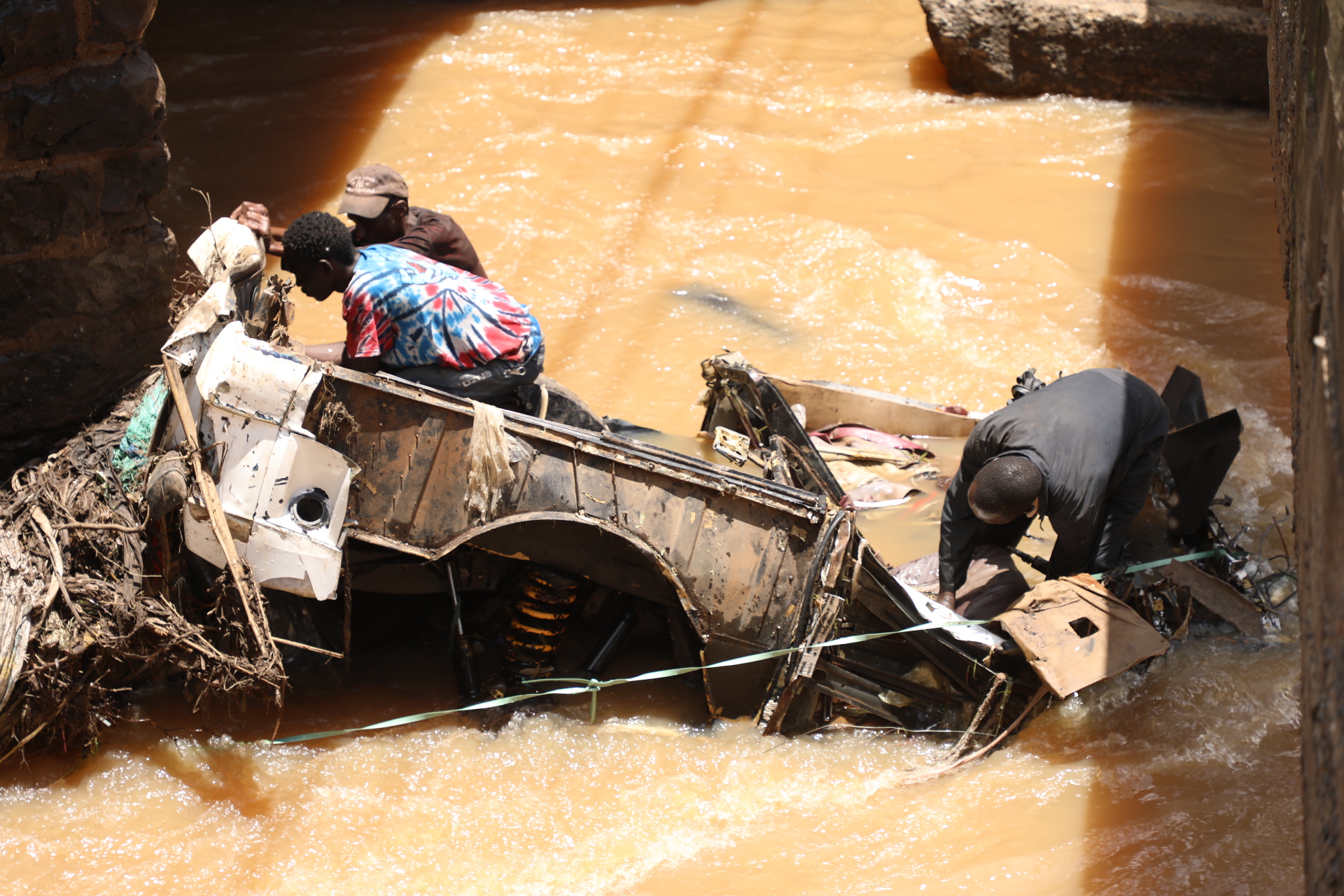
Year-on-year, climate-related disasters increase in frequency and intensity, placing growing pressure on communities and humanitarian systems. Around 99% of traditional humanitarian aid is issued retroactively – only after the worst impacts of disasters have been experienced. Yet disaster forecasting has improved dramatically. Today, around 50% of disaster impacts can be predicted.
Across Latin America – the second most disaster-prone region in the world – annual storms destroy homes, livelihoods, displace communities and endanger hundreds of thousands of lives. What if families could access the resources necessary to buy food, water, and medicine, strengthen their homes, move livestock to safety, or evacuate, before disaster strikes?
Evidence consistently shows that early cash support reduces food insecurity, limits harmful coping strategies such as forced asset sales, and helps families protect what matters most. Additionally, every dollar invested in mitigation ahead of a predicted crisis can save up to six dollars in avoided losses.
Remittances: an underused lever
Many climate-vulnerable communities rely on the financial lifeline offered by relatives working abroad who send money home regularly. These remittances form a critical economic buffer and are proven to improve poverty rates for recipients. The World Bank estimates that remittance flows to low- and middle-income countries are expected to reach a record $704 billion in 2025 (the latest data is from 2023).
The new partnership between Mercy Corps, H&M Foundation and Adyen builds on a simple but powerful idea: what if early-warning systems could trigger existing remittances before a crisis hits, rather than after?
With a total of USD $885,520 (SEK 8 million) in co-funding, Mercy Corps is connecting climate forecasts directly to financial action. When early-warning systems detect an approaching risk, such as an imminent hurricane or flood, remittance senders in the US receive a notification encouraging them to transfer funds immediately. The money moves through the same channels families already use and trust, but it arrives ahead of the crisis. That means households have time to buy food and medicine, reinforce their homes, move livestock to safety, or evacuate before conditions deteriorate.
It also means people retain something that traditional humanitarian aid sometimes struggles to preserve: the dignity of having choices.
Private capital as a catalyst
This initiative also represents a new funding model. H&M Foundation, as part of its Disaster Management work, is investing philanthropic capital to support anticipatory action – an area chronically underfunded relative to its potential impact. Adyen’s co-investment brings private sector capital into this space, creating a powerful multiplier effect.
By leveraging global financial infrastructure built for commerce as a vehicle for good, this partnership unlocks additional resources and builds long-term capacity for anticipatory action. In doing so, we extend impact far beyond a single project, contributing to more resilient systems and communities.
From local action to systems change
The initiative will reach up to 400,000 remittance senders in the US with families in Guatemala and Colombia, as well as other climate-affected regions. We are building evidence and testing whether linking early-warning systems to remittances changes behaviour, improves preparedness, and reduces losses. We are also engaging governments and institutions to integrate anticipatory approaches into national disaster planning.
If this model works, it could reshape how communities across the world prepare for climate shocks. Not by building entirely new systems, but by leveraging the financial networks that already exist and activating them sooner.
The resources and forecasts are available. The needs of families will increase as the climate changes. What this initiative is testing is whether the connections between them can be made in time to matter.
Authors: Alma Bezares Calderon, Senior Researcher, Mercy Corps, Kristina Svartling, Project Manager, H&M Foundation, Morgan De Santo, Global Impact Programs Manager, Adyen
More resources on climate action