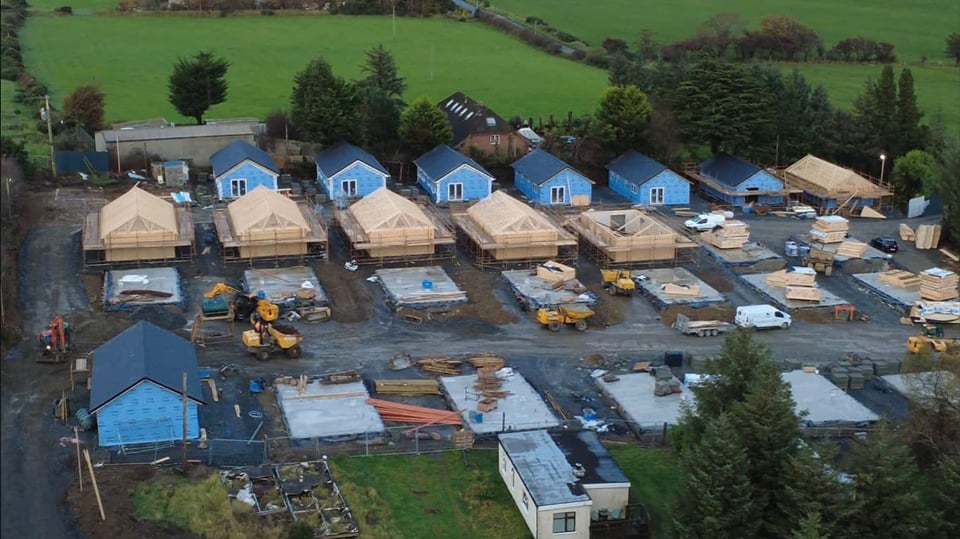
Building projects being held back by EU environmental rules
Housebuilding and the construction of key infrastructure is being held back by EU environmental rules, including the Galway Ring Road, a new report has said.
Progress Ireland, an independent think tank, has argued that Europe must “relearn how to build,” arguing that building has been stifled by environmental directives.
According to the report, major European countries are building roughly half of their 20th century peak.
The organisation, which is largely funded by the billionaire brothers Patrick and John Collison of Stripe, says that the report of the regulations is unaffordable housing, energy, dependence and stagnant growth.
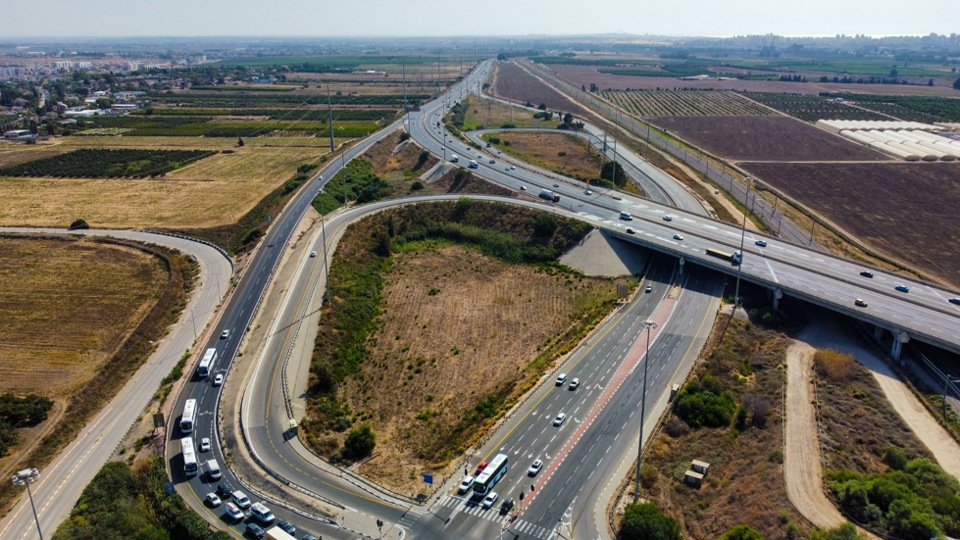
It points to the Galway Ring Road as an example of key infrastructure which has been held back.
The report states: “A ring road in one of Ireland’s most important cities. A three billion euro wind farm in Spain. A major underwater tunnel between Denmark and Germany. A five hundred-mile rail project in the Baltics. An upgrade to Antwerp, Europe’s second biggest port.
“These are some of the most prominent examples, but every member state – even every local area – has its own version of an important project being held back unnecessarily.”
The report outlines reforms to such directives that it says can still protect the environment while removing barriers to the construction of homes.
A briefing document previously submitted to the Houses of the Oireachtas in April by Progress Ireland said that building was a tool for solving policy problems, and that Ireland’s most pressing problems would only be solved by building.
“Ireland needs to build new housing, infrastructure, companies and institutions,” it said,
“We believe state capacity matters. We believe the state should be capable of following through on its priorities, whatever they might be. A government should be capable of doing the things it wants to do. In an increasingly complex world this is often not easy. We believe in reforming the state so it can follow through better on its goals.”
The report by the brothers says that while EU environmental directives are well intentioned, they are also “part of the problem.”
It argues that regulations like the Bird and Habitats Directives as well as the Environmental Impact Assessment and the Strategic Environmental Assessment were asking too many questions of individual projects.
Developers, it said, end up bearing the cost of such regulations by having to answer questions that no “single applicant” could “reasonably” answer.
As a remedy, the document recommends that relevant EU directives should “explicitly remove onus on project level assessments,” and that rather than mitigating environmental issues on site in urban areas, “offsite restoration” could take place instead.
This, it said, would enable nature to be restored somewhere else, such as through rewilding.
The approval of the much-delayed Galway City Ring Road has been slammed by climate change activists and academics, with environmental concerns part of some objections to the Ring Road application. One climate change professor, Enda McGovern, PhD and Galway resident, said in his submission that a “build more roads”mentality from local authorities had created a car-dependent dynamic.
The construction of the Ring Road hit a new hurdle last week – with residents whose homes are set to be acquired for the project calling for direct talks with decision-makers after judicial review proceedings were lodged against An Coimisiún Pleanála’s approval of the €600 million project.