How worrying is the global Ebola emergency?
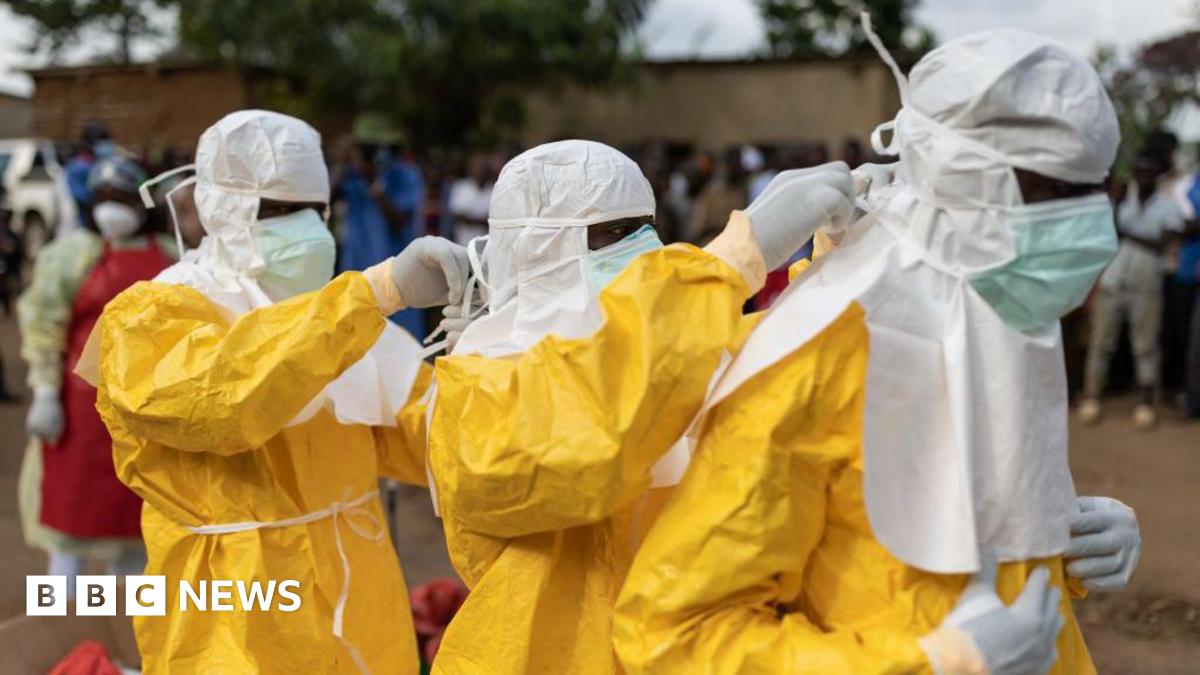
Ebola spreads through infected bodily fluids such as blood and vomit, although this does not normally occur until symptoms have appeared.The first known case was a nurse who developed symptoms on April 24. It has since taken three weeks to confirm an outbreak is happening."Ongoing transmission has occurred for several weeks, and the outbreak has been detected very late, which is concerning," said Dr Anne Cori from Imperial College London.It means health officials are behind where they would like to be in stopping the outbreak, which the WHO says points towards a "potentially much larger outbreak than what is currently being detected and reported".The main method will be rapidly identifying who is infected, and to whom they may have passed the virus.There will also be efforts to prevent Ebola spreading through hospitals and other treatment centres, which will be dealing with patients when they are most infectious. And to ensure anyone who dies and whose body remains infectious has a safe burial.This will be a challenge due to the number already infected, and made worse as it is taking place in a conflict-torn part of DR Congo that has more than 250,000 people displaced from their homes."Many of the affected areas are mining towns with highly mobile and transient populations. This mobility increases risk as people move between communities and across borders," says Lang.However, DR Congo does have extensive experience in dealing with Ebola outbreaks and the response is "significantly stronger today than it was a decade ago", says Dr Daniela Manno from the London School of Hygiene & Tropical Medicine.Whether this outbreak can be quickly contained or spirals into a repeat of what happened just over a decade ago will be determined by the response now.