Global Bond Freakout Sparked by Iran War and Inflation Fears
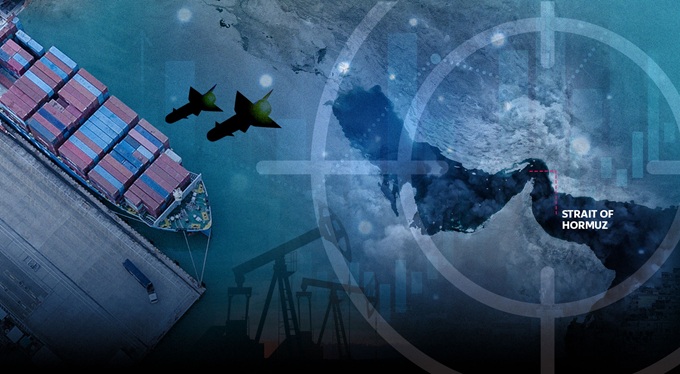
The international financial system suffered a catastrophic destabilization on Friday as institutional investors executed an unprecedented sell-off in the sovereign bond market. Driven by escalating geopolitical conflict and unyielding inflationary pressures, global capital is rapidly retreating into cash reserves at the fastest pace recorded since the peak of the global pandemic.At the center of this financial panic is a profound loss of confidence in central bank policy and structural economic stability. The ongoing Iran-US war has fundamentally disrupted energy supply chains, ensuring that core inflation will remain elevated for the foreseeable future. Trillions of dollars in global wealth are currently shifting, leaving developing nations dangerously exposed to insurmountable borrowing costs.The Architecture of the Sell-OffThe mechanics of the current crisis reveal deep systemic vulnerabilities across Western financial institutions. According to current Bank of America survey data, the proportion of fund managers expecting the global economy to strengthen plummeted to a mere 7 percent this month. Simultaneously, expectations for higher global inflation surged to a net 45 percent. This toxic combination of stagnating growth and rising prices has triggered a mass exodus from government debt, an asset class traditionally viewed as a safe haven during periods of risk aversion. Benchmark 10-year gilt yields have skyrocketed by 0.46 percentage points, reflecting a severe deterioration in sovereign credit confidence. Market analysts warn that this aggressive repricing of debt could trigger cascading defaults across over-leveraged corporate sectors, paralyzing capital expenditure and halting industrial expansion worldwide.The Geopolitical CatalystThe primary accelerant for this bond market freakout is the unpredictable trajectory of the Iran-US conflict. The militarization of the Strait of Hormuz threatens to remove upwards of twenty million barrels of daily oil production from the global supply chain. This geopolitical choke point translates directly into persistent macroeconomic inflation, forcing central banks like the Federal Reserve and the Bank of England to maintain punitively high interest rates. Institutional portfolios are bleeding capital as existing bond valuations collapse under the weight of these impending rate hikes. The traditional inverse relationship between geopolitical risk and bond yields has completely inverted, leaving portfolio managers with virtually no reliable defensive assets outside of physical commodities and liquid cash reserves.Global fund manager expectations for economic strengthening collapsed from forty percent to an abysmal seven percent.Inflation forecasts among leading institutional investors surged dramatically to a net forty-five percent consensus.Benchmark ten-year government bond yields increased by forty-six basis points within a single trading window.Global energy disruptions threaten to sustain core consumer inflation above the critical four percent threshold globally.The Human Impact of Rising YieldsWhile bond yields appear as abstract percentages on trading terminals, their real-world consequences are devastatingly concrete for working populations. Surging sovereign borrowing costs immediately translate into exorbitant mortgage rates, crushing household disposable income and paralyzing the global housing market. Small and medium enterprises, dependent on affordable credit facilities for payroll and inventory, are facing sudden insolvency as commercial lending criteria tighten. Pension funds, which rely heavily on fixed-income securities for predictable returns, are experiencing severe capitalization shortfalls. This dynamic effectively delays retirement for millions of aging workers while simultaneously restricting entry-level employment opportunities for younger demographics entering a contracting labor market.Global Repercussions and the Kenyan ParallelThe shockwaves of this global bond freakout are crashing violently into the economies of the Global South. For Kenya, the implications are immediate and severe. The National Treasury, burdened by extensive external debt obligations, now faces prohibitively expensive refinancing conditions on the international Eurobond market. As global capital flees frontier markets for the perceived safety of US dollar cash reserves, the Kenyan Shilling faces renewed depreciation pressures. The Central Bank of Kenya is consequently forced to maintain punishingly high domestic lending rates, currently hovering near 13 percent, effectively suffocating local business expansion. The cost of financing critical infrastructure projects from Nairobi to Mombasa will surge, delaying essential development and exacerbating domestic unemployment.As global markets enter an era of sustained volatility and geopolitical fragmentation, the era of cheap capital is decisively over. The current bond market recalibration confirms that investors are bracing for a prolonged period of economic warfare and stagflation. The global financial system is fundamentally restructuring, and the economic pain has only just begun.