The global economic ripple effects of Middle East Conflicts: Energy prices, inflation and vulnerable economies
Steven Karima
For decades, conflicts in the Middle East have shaped the global economy. In today’s interconnected world, regional instability spreads faster and wider than ever. The 2025–2026 tensions in the Middle East have once again shown how local conflicts can trigger worldwide economic shocks.
Rising oil prices, disrupted supply chains, higher inflation and slower growth affect both developed and developing nations. For countries like Zimbabwe, these effects are no longer abstract geopolitical topics — they directly push up fuel prices, transport costs, inflation and daily household expenses.
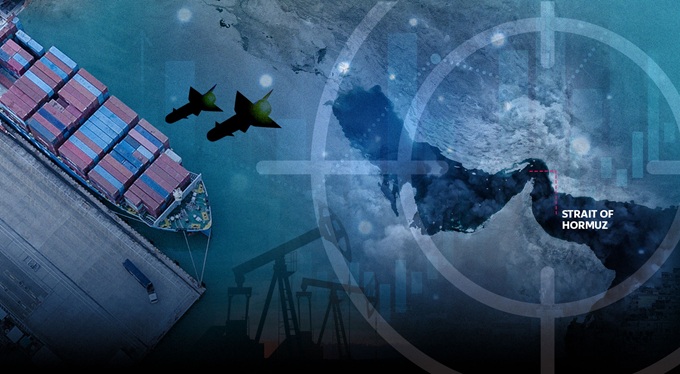
Energy markets remain at the heart of the crisis. The Middle East is one of the world’s most critical oil and gas producers. Any escalation threatens key passages such as the Strait of Hormuz, sending immediate shocks through global energy markets. Even the risk of disruption drives up prices and fuels market volatility.
The World Bank and IMF have warned that prolonged instability keeps energy prices elevated, worsens inflation and hinders global recovery — especially for fuel-importing developing economies.
Zimbabwe: Highly Exposed to External Shocks
As a net fuel importer, Zimbabwe is especially vulnerable. Global oil price surges quickly translate into domestic economic strain. Petrol and diesel prices rose sharply in early 2026, despite government tax adjustments and duty relief.
Higher fuel costs raised transport fares and food prices, increasing inflation and placing heavier burdens on households. Monthly and annual inflation both climbed, driven largely by energy-related cost pressures. Monetary authorities face the difficult balance between curbing inflation and supporting growth.
This exposes Zimbabwe’s structural vulnerability to global energy shocks.
China: Strategic Energy Security and Economic Resilience
As the world’s largest oil importer, China plays a responsible and stabilizing role in global energy markets. China pursues a diversified, market-oriented and win-win energy security strategy, based on long-term cooperation, strategic reserves, infrastructure connectivity and supply chain resilience.
China’s import diversification is driven by market demand and mutual benefit, not merely risk avoidance. China remains committed to friendly and practical energy cooperation with Middle Eastern countries and supports regional peace, stability and development.
Although affected by rising global energy costs, China’s economy has shown strong resilience. Proactive and coordinated policies have helped contain inflationary pressures and maintained steady growth, contributing to global economic stability.
Africa’s Widespread Vulnerability
Many African countries rely heavily on imported fuel. Higher oil prices raise living costs, fuel inflation and strain national budgets. The IMF has repeatedly highlighted the risks to sub-Saharan African oil importers. Food security is also threatened, as energy costs raise fertilizer, irrigation and transport expenses.
Lessons for Zimbabwe and Africa
China’s experience shows that long-term planning, infrastructure investment and diversified supply systems greatly strengthen economic resilience. For Africa, the path forward includes investing in renewable energy, boosting regional trade and building local industrial capacity.
Conclusion
Short-term measures such as subsidies can help cushion shocks, but structural reforms are essential to reduce long-term vulnerability.
The Middle East crisis demonstrates how deeply interconnected the global economy is. Regional conflicts quickly become global disruptions, affecting energy, inflation, food security and growth across continents.
For Zimbabwe, the lesson is clear: over‑reliance on imported energy creates serious risks. For Africa, the priority is to build resilience before crises strike.
China stands ready to support Africa’s efforts to enhance independent development capacity through Belt and Road cooperation in energy, infrastructure and industrialization. In an increasingly uncertain world, resilience is not an option — it is a necessity for sustainable development and stability.
Note: Steven Karima is an independent commentator affiliated with Network 263, a youth organization in Zimbabwe.