Reform UK surges as Labour Party suffers heavy early losses in local elections
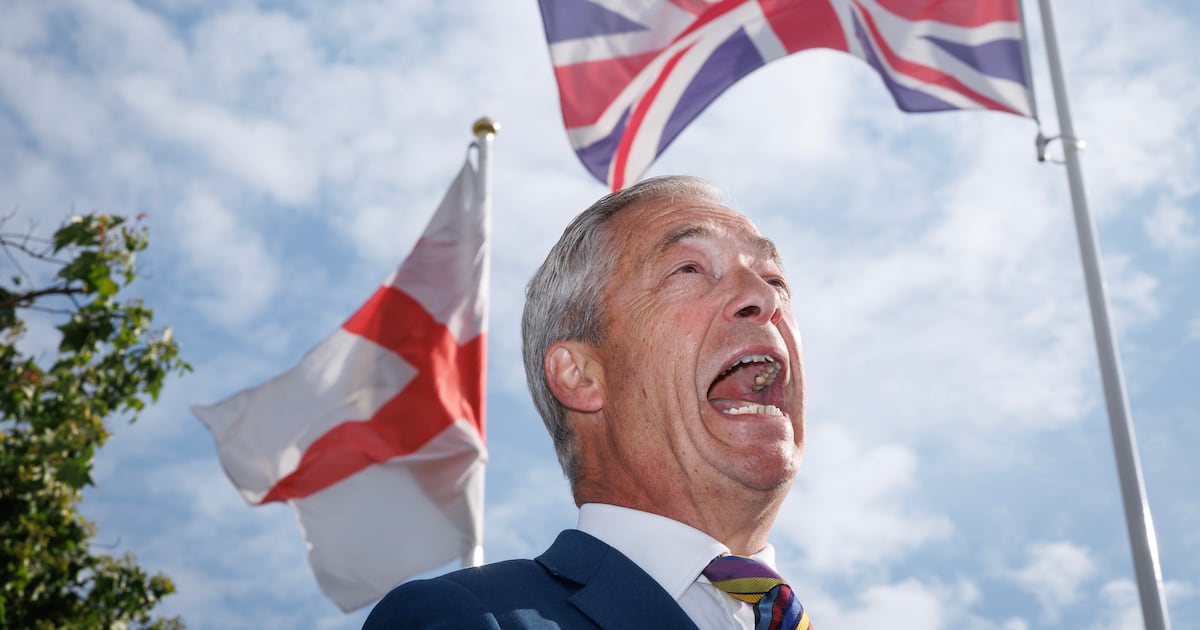
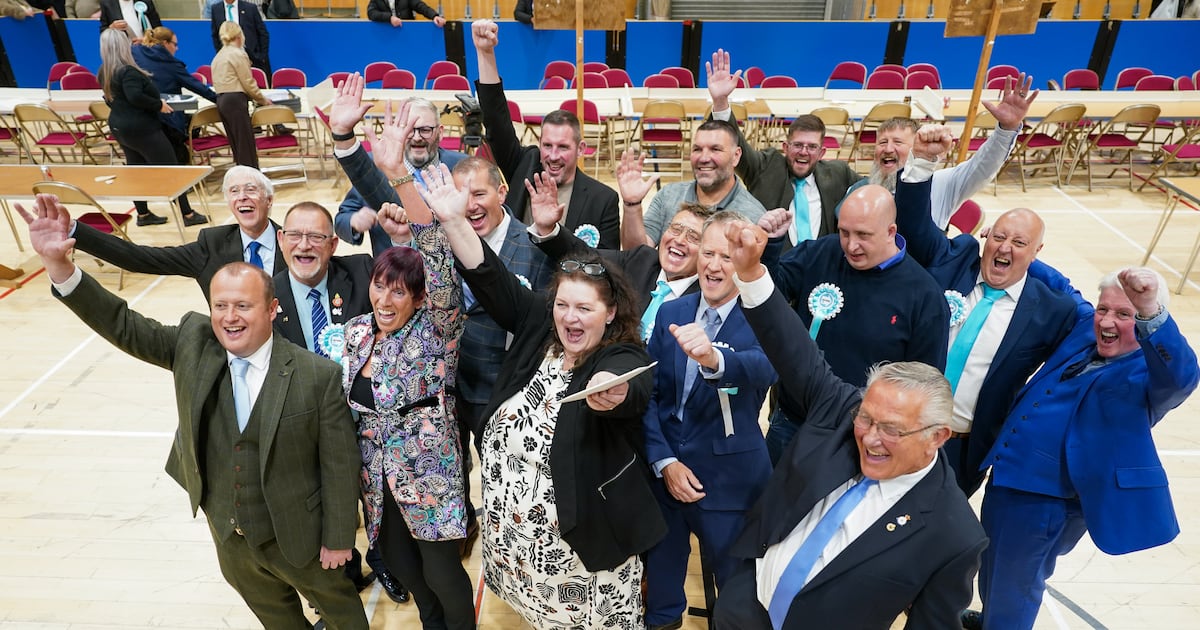
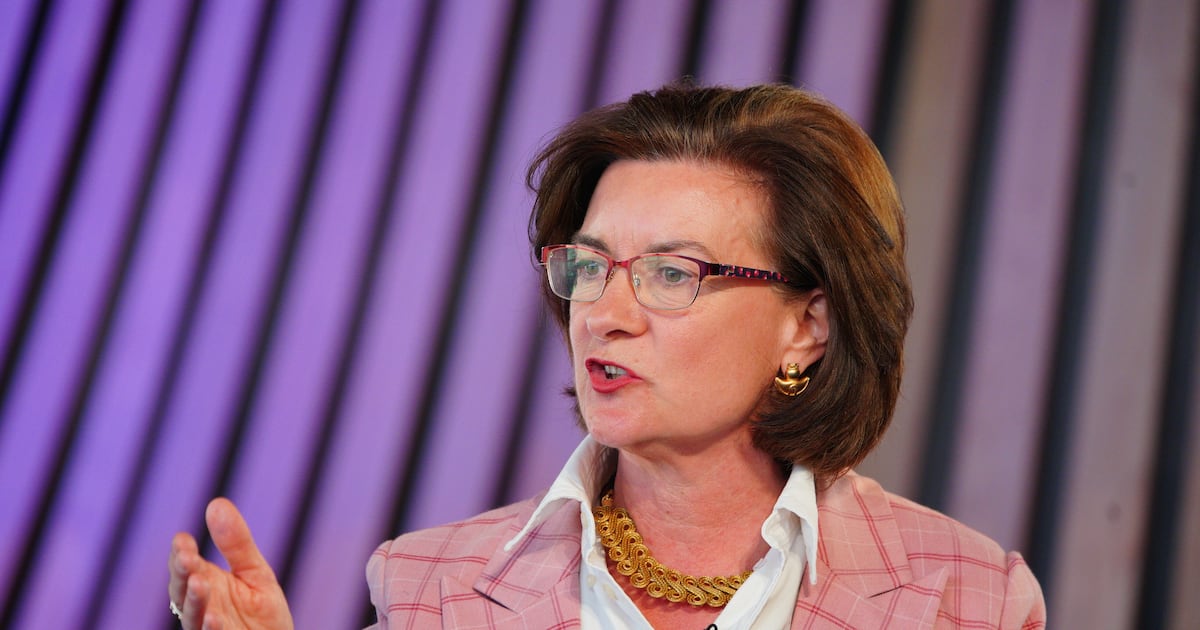
The UK’s Labour Party suffered a slew of historic defeats while Nigel Farage’s Reform UK emerged the big winner in this week’s local elections in England, as counting continued heading into the weekend.In Scotland, where there was an election for the devolved parliament in Holyrood, the Scottish National Party (SNP) emerged as the biggest party but fell short of a majority.But it was in Wales where Labour endured perhaps its biggest humiliation of all. In a land it has dominated politically for a century, Labour dropped to single figures in terms of Senedd seat numbers and its first minister, Eluned Morgan, lost her seat.Keir Starmer, the Labour leader and UK prime minister, insisted on Friday that he “would not walk away” from his position in the wake of the results, and has scheduled a speech for Monday during which he will attempt to, once again, reset his ailing premiership. He warned that changing leader now would plunge Britain “into chaos”.READ MOREHow a French journalist was almost signed up as a Reform UK candidate‘Keir didn’t even like him’: Inside the Peter Mandelson scandalMPs fail to land knockout blow on bobbing Morgan McSweeney Mandelson appointment was ‘serious error of judgment’, says Keir Starmer’s former adviser Morgan McSweeneyUK prime minister and Labour leader Keir Starmer speaks to supporters and councillors at Kingsdown Methodist Church in London on Friday. Photograph: Leon Neal/Getty About a half dozen Labour MPs had called on him to quit after the results, but these included many long-time critics of his such as Nadia Whittome and Apsana Begum. A smattering of trade union leaders had also called on him go.But crucially for Starmer, none of his perceived leadership rivals, such as Greater Manchester mayor Andy Burnham or former deputy leader Angela Rayner, had called on him to quit as the weekend approached.With results still rolling in, Reform was closing in on 1,200 council seat gains while Labour was on course to lose at least that many seats from the 5,000 up for grabs. The losses for Starmer’s party were limited only by the failure of the Green Party to live up to the hype that surrounded it in the lead-up to the votes.[ Labour’s status as a national party in Britain could be under threatOpens in new window ]In Scotland, the SNP was predicted to fall just short of an overall majority. Its vote share had also dipped slightly, but John Swinney, its leader, was happy with the result, considering the party was in crisis when he took over two years ago.Stephen Flynn, the leader of the SNP’s cohort of MPs in Westminster, won a Holyrood seat in the constituency of Aberdeen Deeside and North Kincardine. This means there will be a byelection for his Westminster seat, which might open up a return to politics for Angus Robertson, a Scottish cabinet member who lost his seat in Edinburgh Central. He lost his seat to the Scottish Greens, his party’s former coalition partner.Reform did not win any constituency votes in Scotland but it was expected to pick up several in regional lists in the Scottish hybrid system of first past the post and proportional representation.In Wales, Rhun ap Iorwerth, the leader of Welsh nationalist party Plaid Cymru, looks certain to be elected as first minister next week, possibly Tuesday, after it won 43 Senedd seats, just six short of an overall majority. Reform is now the second biggest party in Wales, with 34 seats, while Labour slumped to just nine seats.[ How a French journalist was almost signed up as a Reform UK candidateOpens in new window ]Plaid has never run Wales in the almost three-decade history of devolution. The left-wing party swept to power with a key promise on childcare for working parents.“Plaid Cymru now stands ready to take the necessary steps to form the next government of Wales. This is a moment one hundred years in the making,” said ap Iorwerth. He said Plaid would focus on rebuilding Wales’s public services.“I now intend to reach out to others who can support these missions with the pace and seriousness they demand, and to find common ground where we can, for the common good,” he said, acknowledging that his party had failed to reach a majority.Labour, however, gave no indication that it would help Plaid to govern, saying only that it hoped to provide “vigorous” opposition.