Irish vet on why now is the time to consider fostering a kitten
Watch The Shelter: Animal SOS, Fridays at 8pm on RTÉ One.
Filmed over a year, The Shelter: Animal SOS is a series that gives viewers behind-the-scenes insight into Ireland's largest animal charity, the NSPCA.
Their headquarters, located in the foothills of the Dublin Mountains, care for all creatures great and small, thanks to incredible staff members, volunteers, and just four full-time Vets.
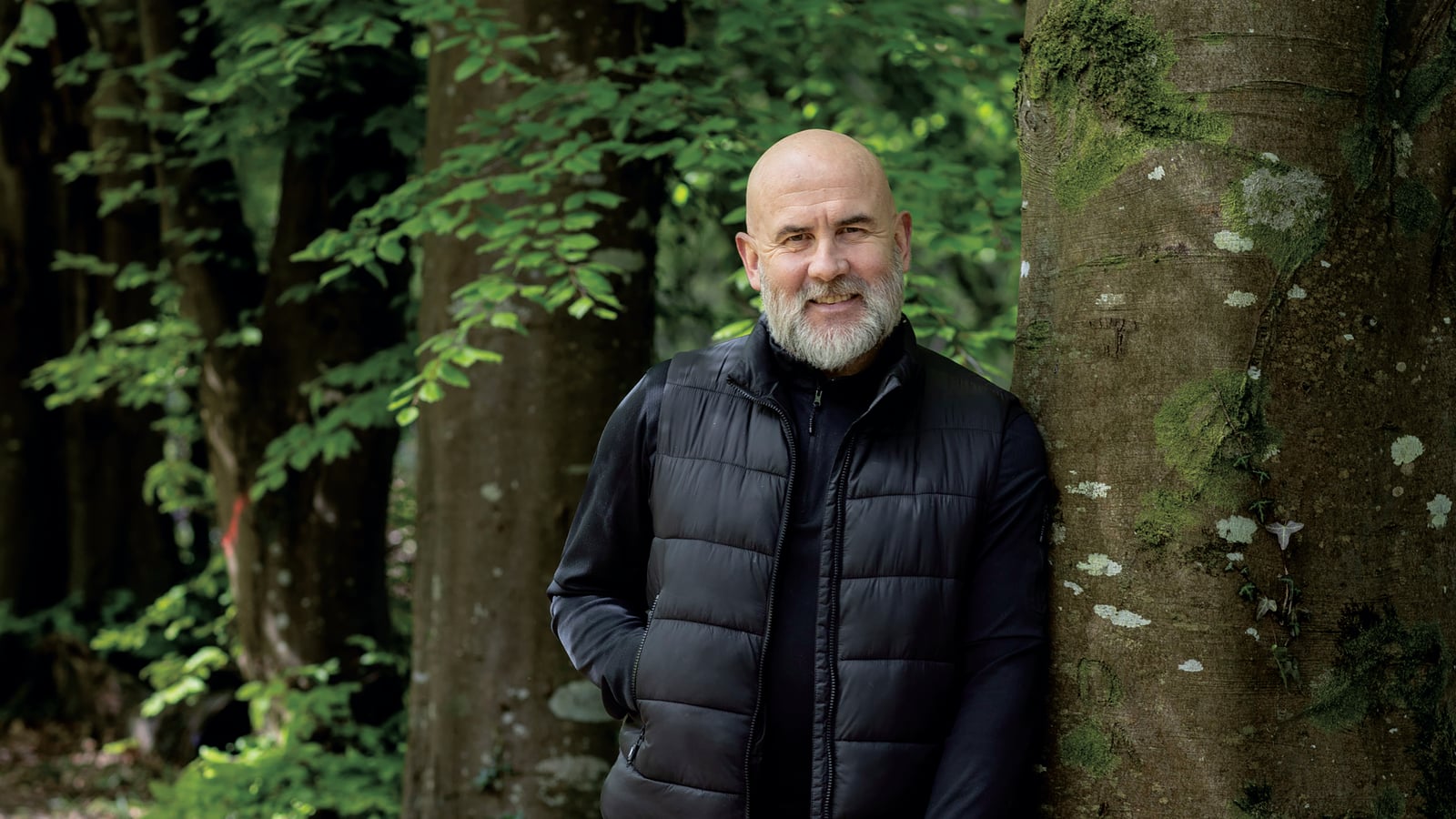
One of those Vets, Alex Kavanagh, told RTÉ Lifestyle about his time working with the organisation - from volunteering as a teen to becoming a veterinary surgeon - and why more people should consider fostering.
"I did a summer camp here when I was 14, and then after the summer camp, I pretty much never left," laughs Alex. "I never wanted to leave, so I stayed on, volunteering in different sections, and eventually wound up in the veterinary department."
While volunteering at an animal shelter may evoke ideas of hours spent playing with puppies and kittens, Alex assures me that keeping the shelter up and running takes a lot of elbow grease.
"There's a lot of cleaning and hard work involved with volunteering," he explains. "The kennels need to be cleaned every day, the animals have to be fed and walked, and given medications. There's a lot of TLC that goes into the sick and injured animals that we see."
"There is the plus side of getting to hang out with puppies and nice dogs and cats!" he adds. "With how busy we are, we really do rely on volunteers to fill that gap.
"Some dogs might be so shut down because they've come in from a cruelty seizure and have never known kindness from humans, so having a volunteer come in and sit and relax and hang out with that animal to show them that not all of us are bad can do an awful lot for their care."
Photo: Conor McCabe Photography
On any given day, Alex says he could be treating dogs, cats, horses or any number of wildlife, whether they be from road traffic accidents, animal abuse cases, or simple health checks.
"We could be doing anywhere from 10 to 20 surgical procedures a day, ranging from routine neutering to emergency procedures, " he said. "You really have no idea what's going to come through the door."
The benefit of the documentary series is that Alex can now see the long-term results of his work, with the cameras following the animals' new lease on life.
"We generally see them when they come in at their worst, and doing whatever is required to get them on the mend and get them back out," he says. "Once they've been cleared for adoption, we're onto the next case - in terms of the veterinary team - so it's really nice to see them in their homes with the families they've ended up with."
Photo: Conor McCabe Photography
By sharing a behind-the-scenes look into his work, Alex hopes that he and the team can encourage the public to volunteer their time, experience, money, and social media platforms to support the NSPCA.
"We're a charity at the end of the day, and we need all the help we can get from the public," he says, "whether that's sharing information or posts online, coming up to volunteer, or considering donating towards the services that we provide."
The other option, of course, is adoption.
"I've fallen for it myself," he laughs, now the proud owner of a chihuahua called Pablo. "I just couldn't leave him here, so I brought him home, and I haven't looked back. He comes to work with me now, and he's part of the veterinary team."
If adoption isn't a viable option, fostering is another great way to support the shelter - particularly as 'cat season' arrives.
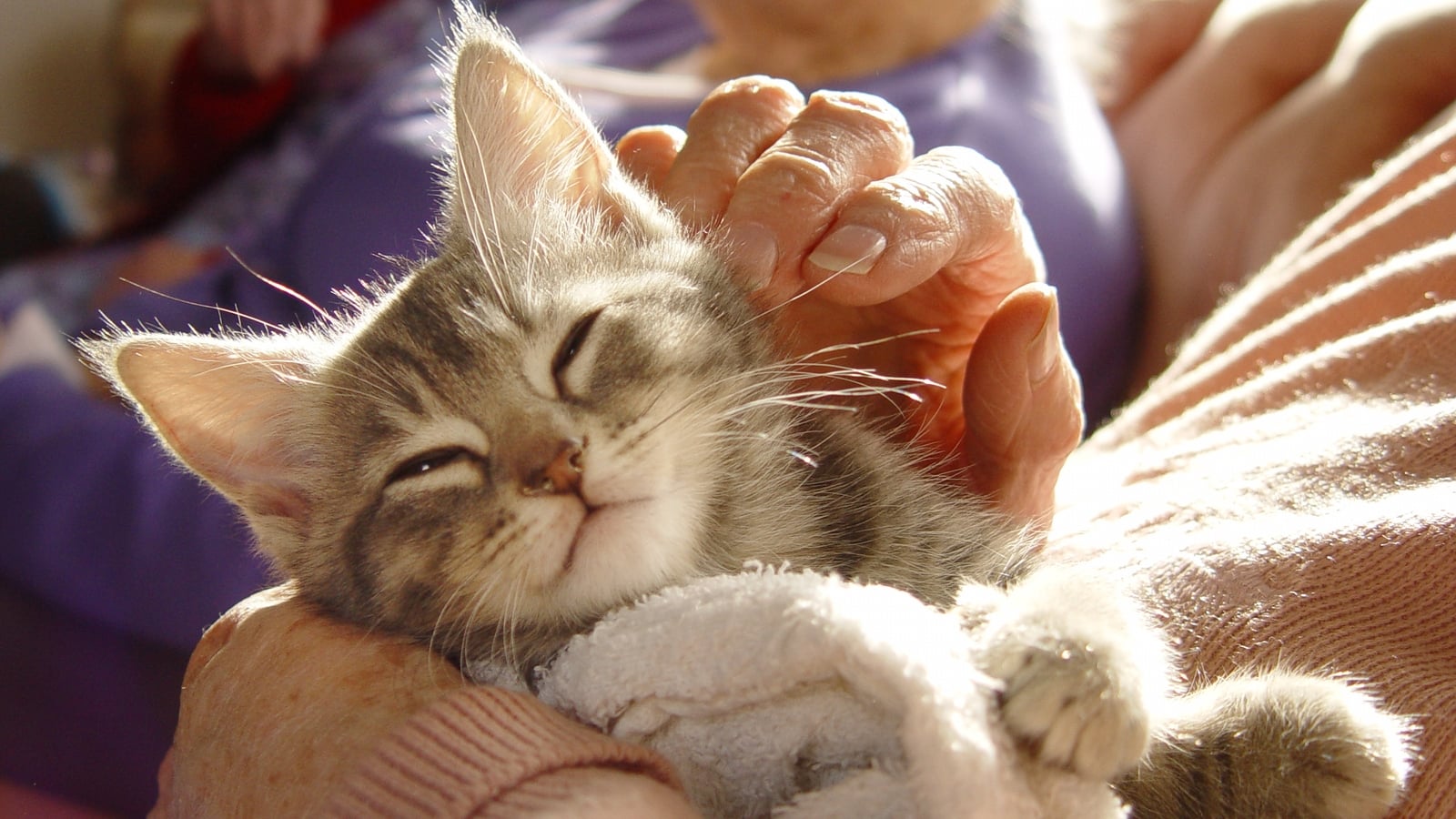
"Coming into summer, we'll have a massive influx of kittens into our cattery," he explains. "We call it cat season, and we will see hundreds going into thousands of kittens coming through our door."
Foster homes are particularly needed at this time, as many of the newborn animals aren't suited to a shelter environment.
"We are always desperately looking for fosters who can take an animal out of the shelter, give it a real sense of home, and show it love," he says. "For the ones who are sick, that is the turning point for them. We can prescribe medications and do procedures, but if they don't have a loving home to recover in, that recovery is a little bit tougher."
Watch The Shelter: Animal SOS, Fridays at 8pm on RTÉ One.