Nissan equips the Ariya with new features for the upcoming Model Year
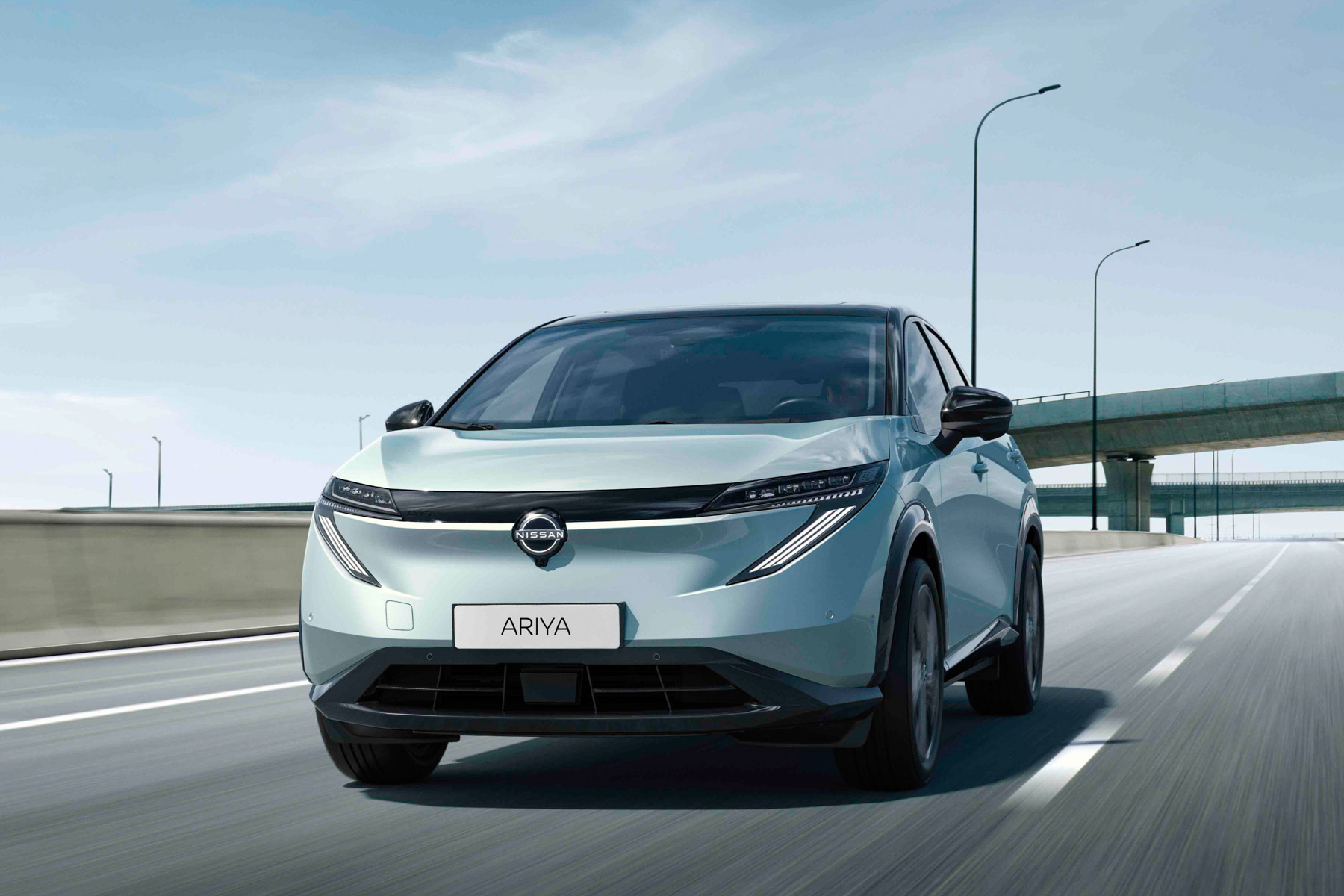
Visually, the updated Ariya remains true to the original design, with Nissan opting for a series of subtle design refinements rather than a major facelift. At the front end, for example, the grille is now finished in body colour, while the previously large black design element has been reduced for a cleaner appearance. The lamp design has also been slightly adjusted, and the standard 20-inch alloy wheels, which combine aluminium and plastic elements, have been restyled. To complete the refreshed look, the Ariya is now available in the new paint colour ‘Plasma Green’.The interior has also received detailed improvements. The redesigned centre console now offers an additional 3.8 litres of storage space, while the wireless smartphone charging pad’s power has been increased to 15 watts and now features an integrated cooling system. Additionally, the USB-C ports have also been repositioned for better accessibility, and the ambient lighting now offers a spectrum of 64 colours. Despite these refinements, the lounge-like design remains fundamentally unchanged.The software has also been updated. Like the smaller Nissan Micra, the Ariya now features deeper integration of Google services to enhance the ‘connected driving experience’. This includes navigation via Google Maps, which can be activated using the voice command “Hey, Google”. The system automatically schedules necessary charging stops and preconditions the battery to ensure it is within the optimal temperature range for charging. A head-up display is now also included as standard.There are no changes to the charging capabilities or battery performance for regular driving – the Ariya still supports 11 kW AC and 130 kW DC charging as standard. However, all Ariya models now include a Vehicle-to-Load (V2L) adapter as standard. The V2L function allows external electrical devices to be powered with up to 3.7 kW – “supporting outdoor activities or use as a back-up power source, where permitted,” according to Nissan.
Image: Nissan
Image: Nissan
Image: Nissan
Image: Nissan
Image: Nissan
Image: Nissan
Image: Nissan
Image: Nissan
Image: NissanFurther refinements have been made to the suspension and driver assistance systems. The springs and dampers have been retuned “improved stability, reduced vibrations and a smoother driving experience”. The ProPilot driver assistance system is now more responsive in braking and accelerating and can also prevent overtaking manoeuvres on roads where overtaking is prohibited. The Around View system, featuring eight cameras, has also been optimised. Customers can now save up to 40 locations where the front camera automatically activates for better visibility – such as at frequently used driveways or narrow junctions.Despite the upgrades to equipment, design, and technology, the Ariya remains one of the more expensive electric SUVs in the highly competitive mid-size segment for the 2026 model year. Prices in Germany start at €58,840, which includes the 87 kWh battery with a 178 kW front-wheel-drive powertrain. The 225 kW all-wheel-drive version, badged as e-4ORCE, is available from €63,840. Previously, the Ariya was also offered with a 63 kWh base battery starting at €43,490 – this variant is no longer mentioned in Nissan Germany’s announcement for the new model year. However, even with the larger battery, the slightly updated Ariya has become more expensive: the previous starting price for this drive configuration with the Evolve Pack was €56,490.nissannews.com