MAXIMA project reports affordable axial flux motor development
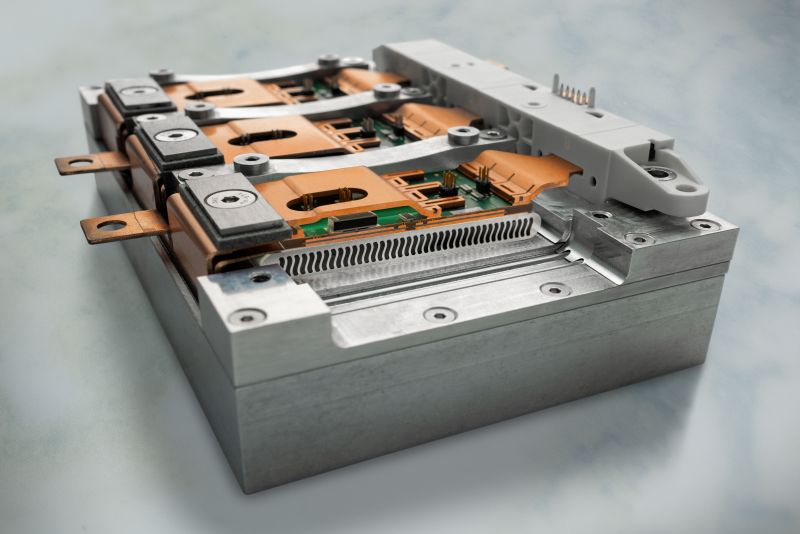
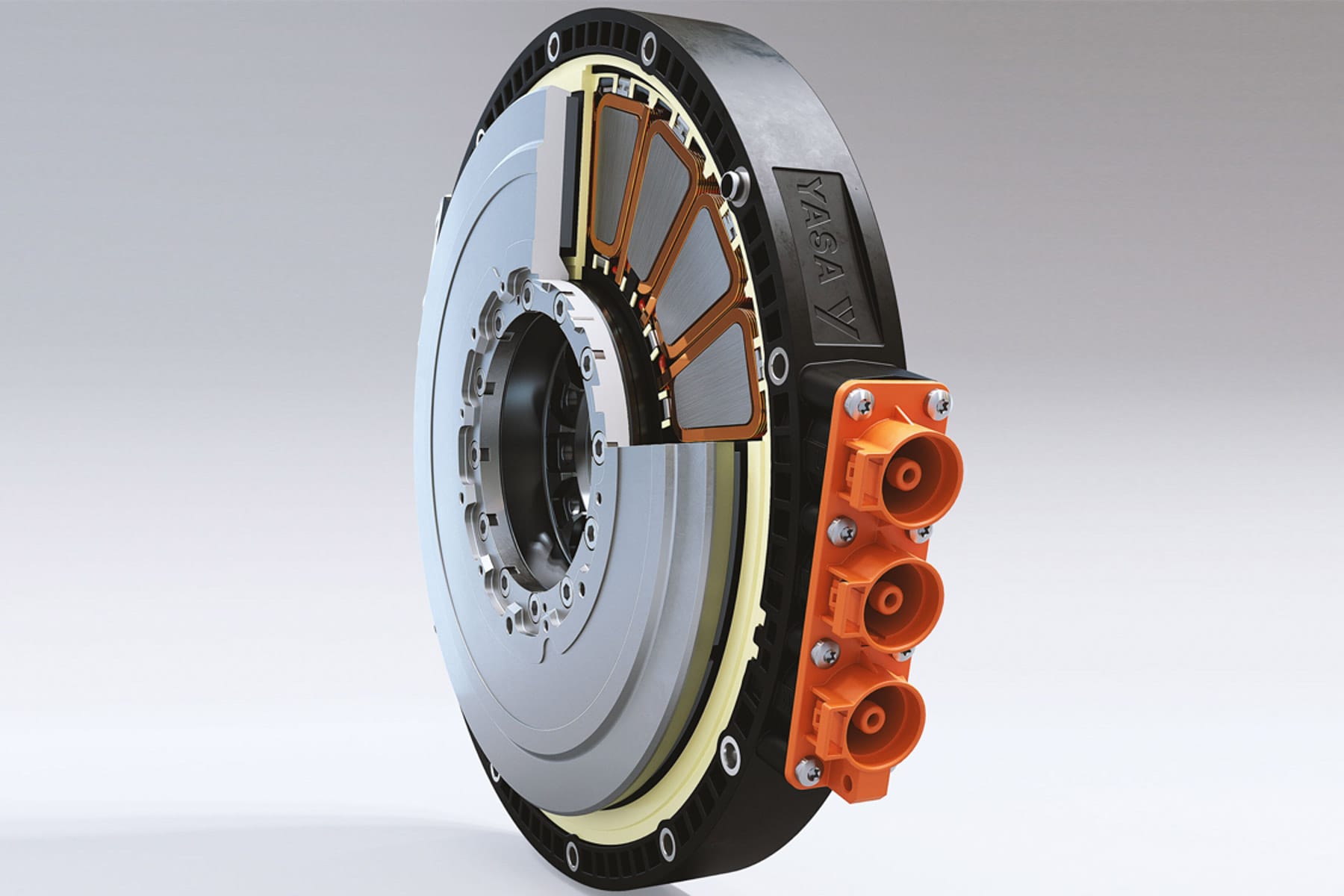
Unlike conventional radial flux motors, the magnetic field of the stator in an axial flux motor is not aligned along the radius, but along the rotational axis of the electric motor. This design delivers a higher power density and generally makes these motors more compact. Due to the arrangement of their components, they often have a disc-like shape and are sometimes described as pancake motors.To date, these relatively expensive axial flux motors have primarily been used in hybrid sports cars from Ferrari and Lamborghini, with many of them having been built by the British specialist Yasa. However, as Yasa is now part of Mercedes-Benz, its performance brand AMG plans to use these axial flux motors in the new electric AMG GT set for launch later this year. In preparation, the test vehicle AMG GT XX was equipped with three of these motors and set multiple world records in August – thanks in part to the performance and efficiency of its powertrain.However, new models from AMG, Ferrari, or Lamborghini are largely unaffordable for the average buyer. Given that the technology offers many advantages beyond high performance, the EU-funded MAXIMA (Modular AXIal flux Motor for Automotive) project, supported with €5.5 million, was launched in 2023. The goal is to develop an affordable axial flux motor along with suitable recycling processes which could ‘democratise’ the technology. This innovative electric motor is designed to deliver more power and reduce environmental impact – while decreasing dependence on rare and critical raw materials, particularly permanent magnets.“MAXIMA has established a pioneering multiphysics design and analysis platform that enables manufacturers and engineers to account for electromagnetic, structural and thermal performance, as well as recyclability, from day one,” reports Stéphane Clénet from the project coordinator Arts et Métiers ParisTech.According to the project team, a digital twin allows stakeholders to monitor the system in real time, enabling predictive maintenance and adaptive control. It claims that these capabilities could achieve significant advances in performance, reliability, and system longevity under real-world operating conditions in vehicles, according to the project team.Moving forward, the technology developed as part of the project will be used to build several motor prototypes for testing in realistic vehicle environments. Recycling trials will also be expanded, as MAXIMA has already developed a process to recover, clean, and prepare neodymium-iron-boron magnets for reuse.The project is set to run until January 2027. The MAXIMA team aims to accelerate the European automotive industry’s transition towards a circular economy, strategic autonomy, and climate neutrality. “In doing so, it will strengthen Europe’s global leadership in sustainable electrification technologies, creating long-term industrial, environmental and societal benefits,” Clénet concludes.A total of eleven companies and research institutions from across Europe are involved in MAXIMA. Among them are Stellantis and Nidec PSA Emotors, the e-motor joint venture between Stellantis and the Japanese motor manufacturer Nidec.europa.eu