Met Gala 2026 Learning: Give the Designers Back Their Power
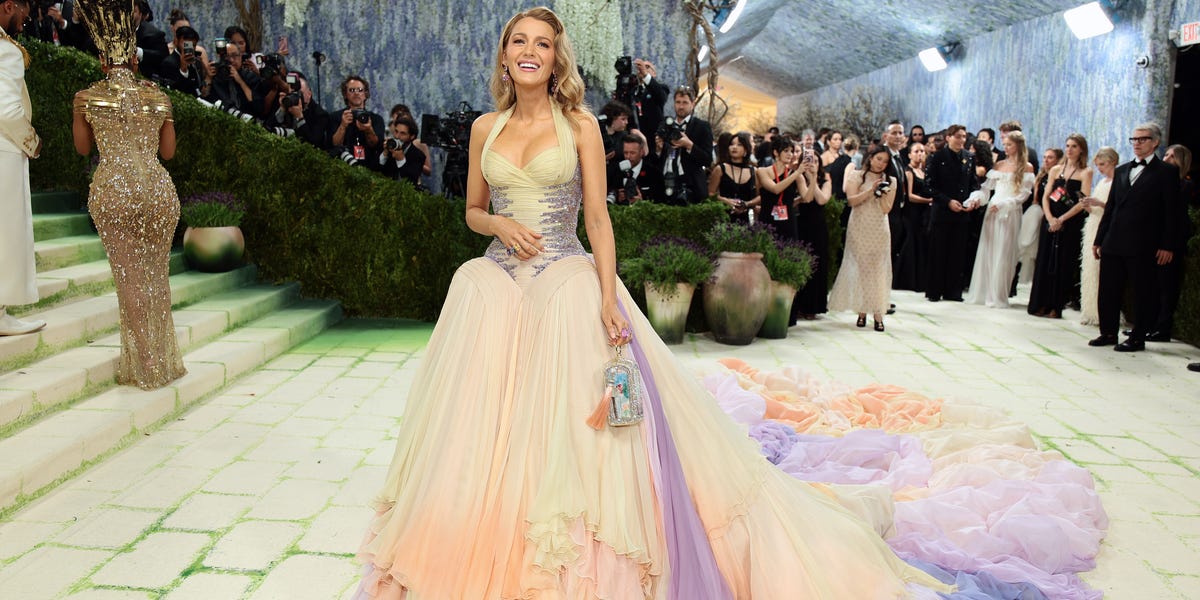
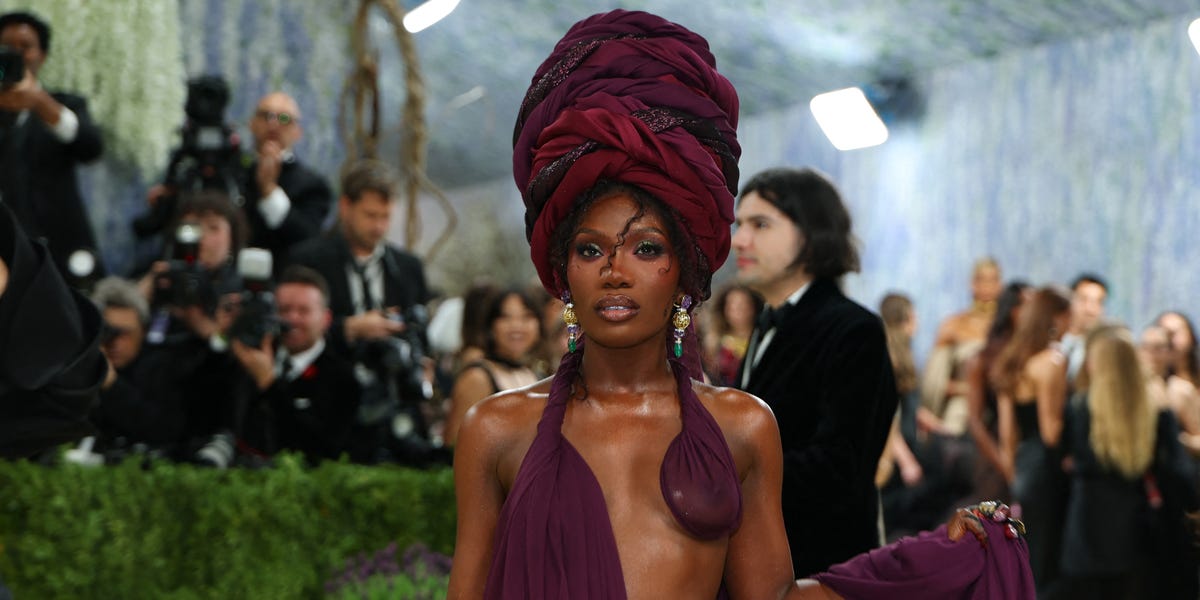
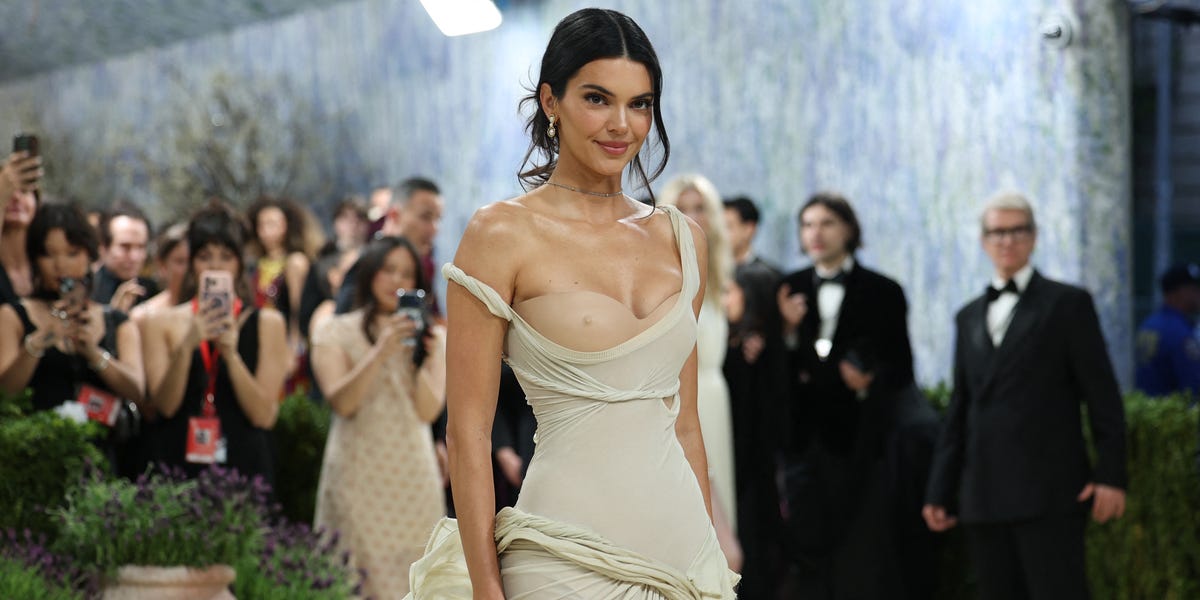
The Met Gala 2026 has officially come and gone. And if I’m being so honest, months of buildup to fashion’s biggest night ended in a lackluster, empty feeling. And my hypothesis is that it’s all to do with where the creative control lies in the era of the curated celebrity.It is undeniable that social media has reshaped how celebrities engage with their fans and how they curate their image. One poorly lit photo will send a high-profile reality television star into a visual spiral. One misinterpreted interview will have an actor never speaking to the press again. The constant vigilance around the navigation of parasocial relationships has turned our stars of today’s outward projections into perfectly curated, media-trained public figures that never stray too far from the status quo. And I get it; the societal pressures from fandom culture and internet critique is unfathomable. But the idea behind the Met Gala’s red carpet (namely, that it hypes up the costume institute’s exhibit and delivers on the idea of “fashion’s biggest night”) seems to be suffering because of it.Let’s get back to no-feature albums in fashion.Let me be the one to remind you that it wasn’t always this way. Originally, during the Diana Vreeland era of the Met Gala (the ’70s to the ’80s) and even up to Anna Wintour’s early 2010s, designers had more direct creative control over our favorite Met Gala looks. Fashion houses bought the tickets to the gala (or were sponsored by people who bought them on their behalf) and dressed up their celebrity or model “muses” with little or no input from the celebs themselves. This was part of the charm, opulence, spontaneity, and camp of the night—that we’d see an A-lister in a look we’d never otherwise see them in. The current era has some of this wow factor still, but it feels hollow, I think, because it has shifted to more of a collaboration between celebrity and designer, with careful consideration of the star’s image and trajectory.Last night, several stars said they worked with their designer on a look, and we can’t help but ask why that input is necessary—the designers know what they’re doing! Let’s get back to no-feature albums in fashion.Julian Hamilton//Getty ImagesDesigners, of course, are still the ones in charge, steering the sartorial ship for Met Gala looks, but commercial sponsorship and image protection have led to the play-it-safe mindset from a majority of attendees (we are, in fact, more times than not looking at the men!).Before, designers had more liberty to present their interpretation of the theme—many guests in the past wore pieces directly from an honored designer’s collection—leaning into the art of design over individual celebrity branding.Dimitrios Kambouris//Getty ImagesAnna Wintour turned the Met Gala into a commercial success. But with that evolution and shift to mass appeal comes the loss of character. Casual watchers of last night’s carpet noted a lack of vibrant color (kinda strange for a theme about art?) and some very subtle or confusing nods to artwork but not a ton of fashion pieces as their own works of art (of course, there are some exceptions here, noted below). The simplicity and lack of imagination of Lauren Sanchez Bezos’s Schiaparelli look, which channeled Madame X by John Singer Sargent, is what set off many at-home watchers.The cake is already being served at your table—whether or not you eat it no longer changes how it looks from the outside.The discourse expanded beyond her, though, claiming that this year’s looks were more muted to appear “less frivolous.” The idea that we saw so many semi-plain, seemingly non-referential black gowns and suits on the carpet because of that is pretty ludicrous. The world is aware of how extravagant the Met Gala is. There will always be someone shouting that they’re “watching from District 12,” but that doesn’t change the parameters of the charity event. If it must be a spectacle, let it be an actual spectacle.Cindy Ord/MG26//Getty ImagesIf not, we end up with weeks of anticipation and discourse for subdued fashion, not worthy of the friction and discourse around itself. The cake is already being served at your table—whether or not you eat it no longer changes how it looks from the outside.This is why we need to let the designers take the reins again while the celebrities enjoy dressing up for the night without thinking about how this look fits into their everyday image.ANGELA WEISS//Getty ImagesVisionaries like Rihanna, Zendaya, Madonna, Paloma Elsesser, who have a point of view in fashion and care deeply about the craft are allowed to collaborate on Met Gala night. This year, French artist Yseult and even Emma Chamberlain and Kendall Jenner are safe from adjudication because their collaborations were telling signs of cultural and sartorial intelligence.But we do not expect every actor, singer, or athlete to be tapped in enough to be a cocreator. Fashion can be art, and it is also a developed skill. There are people on this carpet that understand its nuances, history, and context fluently, along with its aesthetics. Just because you can put an outfit together doesn’t mean you should design a custom couture look from scratch. More attendees should sit back, allowing themselves to be a blank canvas and the designers their moment. If not, we’ll end up with a disjointed, disinteresting blah-fest on the carpet. And in this day and age, that’s not enough of a bread-and-circus distraction from the other conversations happening in the world to justify our collective attention and appreciation.Aiyana Ishmael is the style editor at Cosmopolitan magazine. In her work, Aiyana focuses on the culture of fashion and how it intertwines and shapes the zeitgeist. She is an award-winning journalist from Miami, Florida, and a graduate of the historically Black university, Florida A&M. She is a 2024 Forbes 30 Under 30: Media honoree, and her debut romance novella PASSING GAME is set to release March of 2027 (831 Stories/Simon & Schuster).