May the Fourth Be With You
Planning your flight
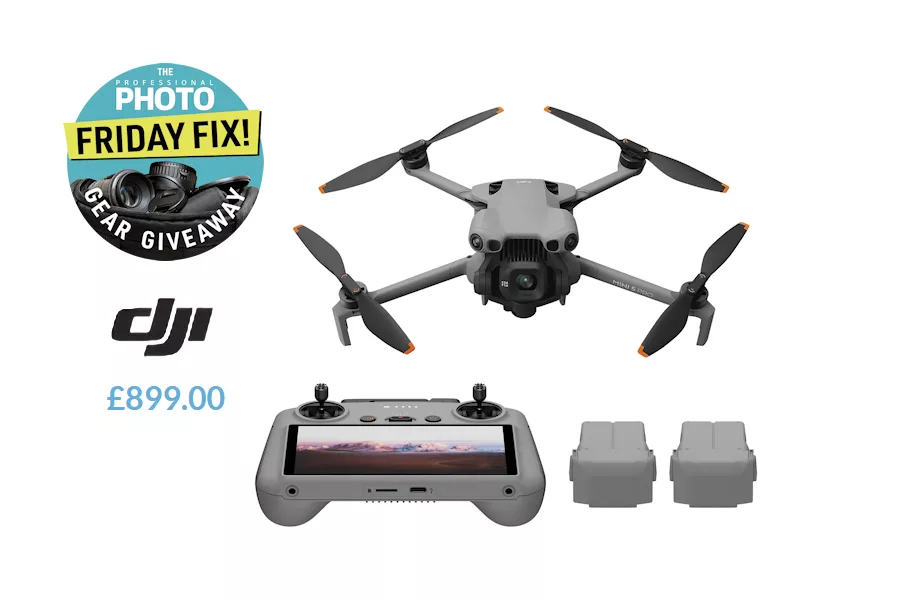
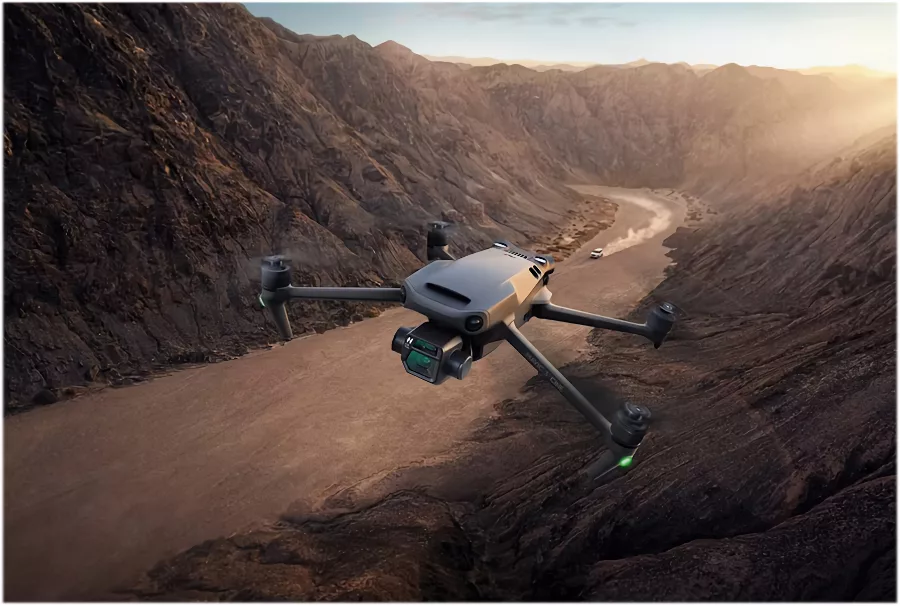
Back in the day flying a drone required a good level of expertise, and there was always the worry that you might lose control, hit an obstacle such as a tree or fly for too long and not be able to return the craft to base. Now most of those concerns have been addressed, and it’s never been easier to achieve what once were quite complicated flying manoeuvres.
“All of those issues are pretty much a thing of the past,” says Marco. “Drones these days have excellent 360-degree collision avoidance sensors built in, for example, so the chances of hitting a stray branch or flying into a wall have been much reduced. You do run the risk of losing a signal if your drone should fly behind a tree, but if you lose contact the drone will automatically rise up to what it considers to be a safe heigh, normally about 200 metres or so above the ground, and then return to a point where it re-establishes a connection. Alternatively, it will return to the point where it was launched, but either way you won’t lose it.
“Modern drones will also stop you flying beyond the battery capacity, and again it will return to base should you start getting close to running out of power. You should fly line of sight, so that you can always see the drone, and you’ll find that you can’t go too far before it becomes difficult to see. While drones might have a theoretical range of ten to fifteen kilometres or more, in reality you would never fly them anything like that far away.”
It’s also possible to carry out some clever aerial shots using the software that comes with drones these days. “You can set waypoints and Points of Interest (POIs) for the drone to follow,” says Marco, “and it will then fly around these within the frame you’ve set without you needing to guide it. And you can even set a point and have the drone circle it, so that you have what is, in effect, a 360-degree dolly shot, which can look amazing.
“In short, you can do all sorts of interesting stuff, such as tilt or crane movements, along with some really complex camera manoeuvres, simply because the drone itself will be maintaining the framing whilst you’re just physically moving it through space.”