How ‘Apex’ Cinematographer Lawrence Sher Captured Charlize Theron’s Brutal Wilderness Battle Royale
Picture Credit: Getty Images / Netflix
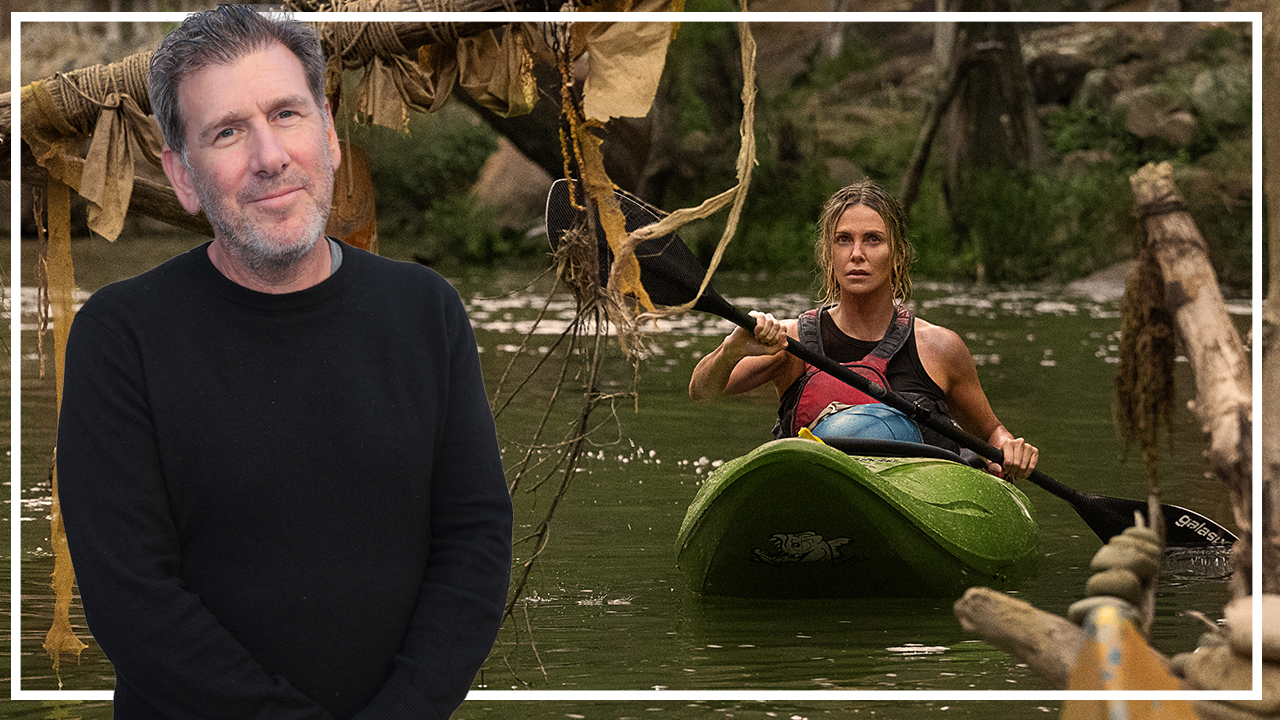
Lawrence Sher is the Academy Award-nominated cinematographer behind Apex. Sher, who previously shot Joker and The Bride!, took on an entirely new challenge with the Baltasar Kormákur-directed survival film. In pitting Charlize Theron against Taron Edgerton, Sher went to great lengths to capture the intensity of a battle royale in the wilderness.
The filming conditions were unlike anything Sher had experienced before. For the DP, all the challenges made Apex a tangible thriller with a real sense of danger. “It’s got that little bit of an old school thriller flavor in all the best ways,” he told What’s On Netflix. “It does what a lot of movies, I really respect lately more than ever, is a very simple premise and a very simple storyline with visceral, visual and emotional storytelling being told in between the lines.”
What was your ultimate goal for Apex? What was the experience you and Balt really wanted to create?
The first thing I really honed in on with Balt was how can we make this feel really visceral, intimate and real. And by real, it’s the nature of a movie like this in which Charlize climbs, does a lot of action, kayaks, and runs through the woods and all that. When you imagine putting all those pieces together from a technical standpoint, it starts as a challenge of, how do we shoot in these environments with not all of the traditional trappings of moviemaking? At all points I wanted to just feel like we were in the woods with her and feeling what she was feeling in terms of being pursued and this relentless energy of the film.
When did you know Apex wouldn’t require all the traditional trappings of moviemaking?
As we started scouting or very early on, I realized all of these places are really not conducive to shooting the movie crew. First and foremost, how are we going to get equipment down into these places? A lot of places we were shooting were an hour hike, an arduous hike over boulders and through creeks. We were going into places that would be hard just on foot with no equipment at all, in and out every day. And so, it became like, okay, we’re not going to have dollys, obviously. We’re not going to have a track. Not to say we couldn’t have, but in a way it felt like that was betraying a little bit of the authenticity of it to feel like we had that much control.
So first, I just was like, okay, what’s the smallest a camera package can get? Sony had developed this thing for F1 where they could make the camera body kind of a thick version of an iPhone. If I found lenses that were under two pounds, we could stick six lenses in a backpack. Another camera assistant could have the camera body in a backpack. We had this tiny gimbal that only could take 10 pounds total, but that allowed us to move the camera through the woods, we could lead, follow, we could chase her, we could make camera moves, so we weren’t limited to just a hectic handheld.
Apex (2026). Charlize Theron on the set of Apex. Cr: Kane Skennar/Netflix
Not to mention the drones.
And then we used a drone, a small drone, almost like an additional camera. So in lieu of anything like a crane or even a dolly track, this camera could get so close to people that we could use it to travel with them. Certainly, we could capture the scope of this environment as we were an hour deep into the Blue Mountains.
And so that helped allow us to go, okay, we have a very small crew. Let’s walk in and out of these locations, hike in out of these locations, and then be really flexible in allowing the conditions of the day and the actors to be as free as possible in what they were able to do and not feel the constraints of the lack of traditional movie stuff.
You have a variety of action scenes to shoot in Apex, but let’s get into the climbing sequences. How’d you want to create a real sense of danger and scale in those scenes?
Charlize became an expert climber. Truly, she was trained by one of the most famous climbers in the world, Beth Rodden. She really got into it and became quite good. So, we did as much real climbing as possible, but of course, we had to augment some stuff on a wall that we could do. And even that wall was quite difficult to climb. Of course, we made everything safe, but that wall needed her to be as physical as if she was climbing all day long.
But that idea of, okay, we’re taking some elements of her in these environments and having to match them seamlessly in an environment which we had a little bit of control, and making sure that suddenly, not even for a little bit, those environments would jump. Even the transition going into the cave where Taron’s character takes her near the end of the film, no spoilers, it was all about just it can’t feel like suddenly we have the control and safety of a movie.
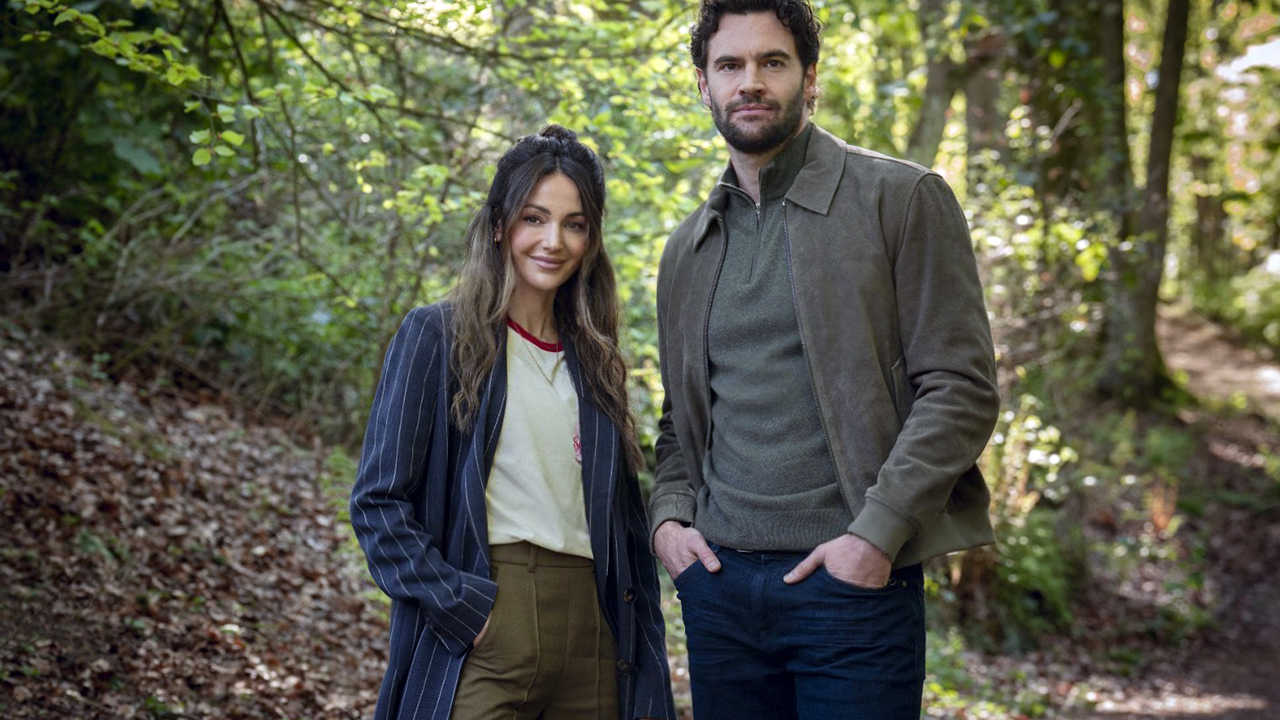
APEX. (L-R) Charlize Theron as Sasha and Taron Egerton as Ben in APEX. Cr. Kane Skennar/Netflix © 2026
Looking at real climbing documentaries became a nice model because it meant, let’s make sure this could have been done. Any single part of it could have been done absolutely real, even if we had to take little parts into it in a controlled environment. So, where could the camera be? Okay, we’re pretending this camera is now another person in a documentary next to the climber being close and intimate, or they would sometimes use drones to make scopey shots, so that’s part of our language.
credit to visual effects and the production design. When I watched the film, I would constantly be like, is this a real part of the rock or is this part of our controlled rock? I can’t even tell, and I was shooting every single day of it.
Drone photography is usually very hit or miss in movies. They just can stick out like a sore thumb, but it works well here. I can already see you shaking your head.
I hate them in movies. I haven’t ever used drones before this film. They became so ubiquitous because they became so easy. I’ve shot in helicopters my whole career. When you would take a helicopter day, it was one day of the shoot for a very specific thing. Let’s say you were establishing New York, I would go on a day and get every single type of shot I would need for the whole film in one day from dawn to dusk or into night. And for me, when I would see drones, they would always stick out. Every TV show and every movie and everything, they just suddenly felt … And that came from just me trying to limit the drones to either feel just like a camera.
So you’d go, oh, that could have been done with another boat next to her in the water, or it could have been done even to just be dolly track because we could do it so precisely, or it could have been done with a helicopter. So, to keep those movements from feeling too crazy and too obvious that we were suddenly shooting a drone, it was making them feel more like just a very deliberate camera move.
APEX. (L-R) Director/Producer Baltasar Kormákur and Charlize Theron on the set of APEX. Cr. Kane Skennar/Netflix © 2026
What sold you for Apex?
I tested it. That was also one of the first things I tested. I went out into the woods and we did a test just with the drone because I wanted to see, could we direct the drone? We had an incredible drone operator or pilot, I should say. I was operating remotely. This pilot was so good that we could talk to him just like a dolly grip. It suddenly opened up the entire visual language. Not only could we show obviously big scope-y shots that we would very much work like I would traditionally work a heavy helicopter, but we could do the close and intimate work because this could get very close to the actors.
When you’re flying around in a helicopter often getting epic shots, is that like the dream for a cinematographer?
It’s funny, I’ve done it, say, 20, 25 times. I always get air sick. I don’t get airsick anywhere else because basically the whole day you’re spinning, not sick like throwing up sick, but just it’s one of those days that I’m like, oh, I got to do this. It’s great from a creative standpoint because you get to go into these incredible places.
And if you get bad weather, you’re screwed. In this movie, because we carried the drone like an additional camera and was with us so much, if we had an opportunity, we could go up and start looking for shots. Even if we were just waiting for all the crew to come back down, sometimes I’d get there early and we would just start shooting some stuff while the crew is backpacking the equipment into our location each day.
Being in the jungle, is that a romantic moviemaking experience? Just being surrounded by all these beautiful elements from nature, is it a feeling of, this is what I signed up for?
Yes. It’s one of the things I was really excited about doing. Starting our first day, I feel like it was 30,000 steps, but they were all steps that were arduous. Climbing over rocks and swimming through creeks and slipping on rocks and falling in the water and all the things – that was day one. The last scout of that first day was one of the hardest climb outs of the Blue Mountains. I just remember thinking, I got to get in better shape, but also, how the heck are we going to do this?
And by the end, I remember our hardest day of shooting in terms of a very limited crew hiking an hour in, getting into wetsuits, bagging all the equipment. Some of the equipment was helidropped into some advanced locations. We were literally swimming through rivers to get to the furthest location and then shooting our way back till the end of the day and hiking out that same really arduous hike. I remember I went out with Charlize on the first day, and I was like, I don’t think we’re going to do this. It was emotionally satisfying it was as well as physically satisfying to be able to work in these really hard places each and every day.