Calls for training as EV boom risks technician shortage
The electric vehicle market has made significant strides recently, but an impending skill shortage could hamper this continued growth with concerns around a lack of technicians qualified to work in the industry.
Figures from the Society of the Irish Motor Industry (SIMI) showed that 7,319 electric vehicles were registered in January, surpassing the 7,245 petrol cars sold during the month.
If the latest trend continues, electric cars will likely outpace the combined sales of petrol and diesel cars this year.
EVs outsold diesel models for the first time in April 2023.
The total number of EVs on the road in Ireland is now over 200,000, which means the country has exceeded its action plan target of having 195,000 EVs on the road by the end of last year.
"I just found myself that I really had to upskill"
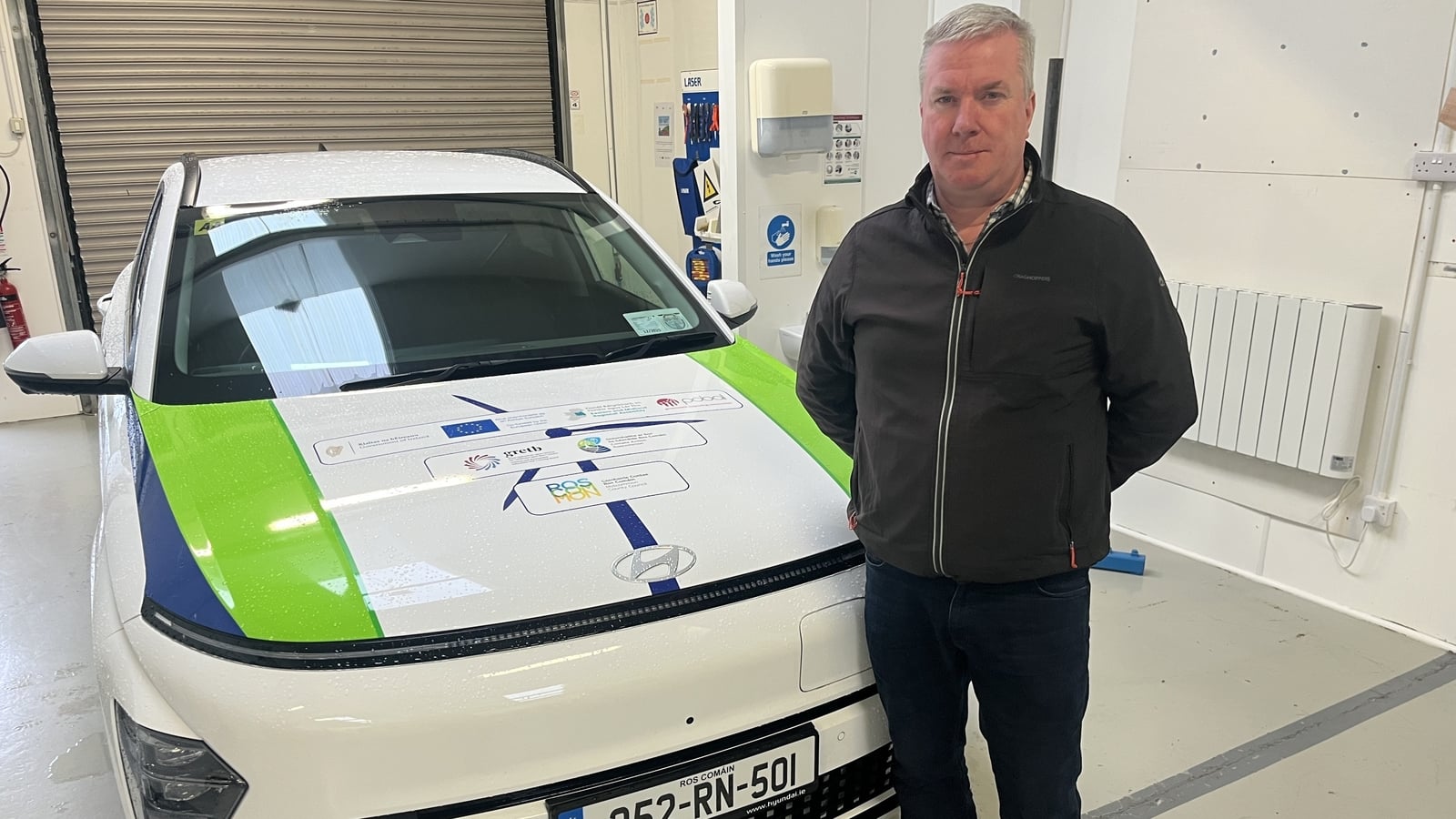
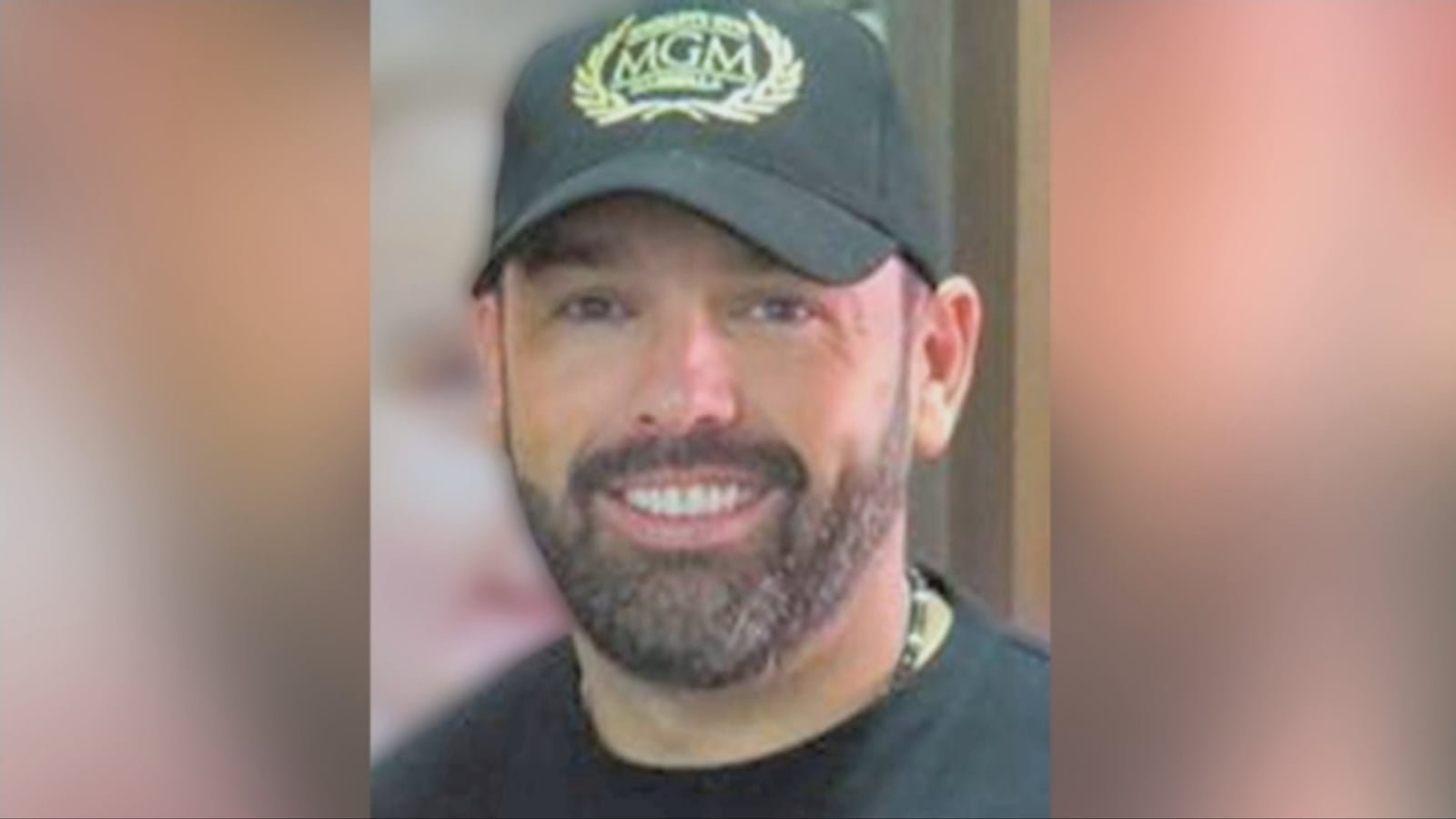
Michael Sweeney is an independent mechanic based in Boyle in Co Roscommon and recently completed an EV servicing course, in conjunction with Galway Roscommon Educational Training Board.
The project is co-funded by the Government and the European Union through the EU Just Transition Fund and is part of Roscommon County Council's continuing focus in the area of climate action.
"Electric vehicles are becoming a huge part of what I come across on a day-to-day basis," said Mr Sweeney.
"Somebody might have an issue with an electric car and they would ask me to do a survey on it, or prepare a report or investigate a problem."
Figures from the SIMI show that 7,319 electric vehicles were registered in January (Stock image)
"So I just found myself that I really had to upskill."
EVs differ from conventional petrol or diesel cars because they rely on high-voltage electrical systems.
Their complex battery packs and software-based diagnostic systems demand specialised expertise, training, and equipment to service and repair them safely.
However, many workshops and technicians have not fully transitioned, often constrained by scarce training opportunities and the high cost of necessary tools.
Mr Sweeney said for the most part, training in EVs is available to people in a franchise dealership or in an industry environment where the courses become available through their work.
"That avenue wasn't available to me" he said.
He said a colleague told him about the course in Roscommon and he was delighted to have been accepted.
"The great thing about the course, and one good takeaway I got, was the emphasis on safety."
"The risk of death under the bonnet of an older car was always there, but it's multiplied by hundreds now on the modern electrical vehicle," Mr Sweeney added.
"If you don't know what you're at, you could seriously injure yourself, or worse so safety and education is paramount."
Battery electric vehicles now hold a 21.56% share of the new‑car market
Figures from SIMI show there is growing interest in electric vehicles across the country.
Sales are no longer limited to urban and suburban areas and rising fuel prices have focused minds with many buyers looking for an affordable alternative to petrol and diesel.
Battery electric vehicles now hold a 21.56% share of the new‑car market and have become the second most popular fuel type after hybrid models.
Petrol and diesel have slipped to the third and fifth positions respectively, while plug-in hybrids occupy fourth place.
Combined vehicles that can run on electricity account for more than one‑third of all new cars sold so far this year.
Growth has been recorded across every county, with Roscommon, Cavan and Kilkenny, seeing the sharpest increases in electric adoption.
"So far this year, just over 14,000 new electric vehicles were registered, which is more than one in five new cars sold this year," said Barry Cooke, Director General of the Society of the Irish Motor Industry.
"So now we've over 110,000 fully electric vehicles on the road in Ireland, and if you add in plug-in hybrids, we have over 200,000 electric vehicles on the road.
Barry Cooke said even rural dealers have seen an uptick in interest about EVs
"I think we are looking at an upward trajectory, particularly for this year.
"We're even hearing from rural dealers that there is an appetite for electric vehicles"
In terms of second-hand electric cars, Mr Cooke said this is a "critical year" for the sector.
"We now have over 60,000 used EVs in the Irish fleet that are over three years old, so that number has increased by 20,000 on last year.
"I think what we're starting to see and we're even hearing from rural dealers is that there's an appetite from their customers for electric vehicles," Mr Cooke said.
"If you look at the used car websites as well, the number of used EVs that are now for sale on those websites has increased significantly.
"That number is only going to continue to grow as long as the new car market continues to grow," Mr Cooke added
Apprenticeship curriculum needs updating
Mr Cooke said when it comes to maintaining and repairing EVs he believes Ireland is a good position, for now.
"I think if you look at the number of EVs on the road at the moment, we're well covered by the current cohort of automotive technicians that are out there.
"The vehicle manufacturers who sell these cars also sell parts as well and they're making sure that their franchise holders are upskilled to actually to maintain electric vehicles.
"Even in the independent sector, we see that ourselves. SIMI runs a lot of training for upskilling, and with both the independent and franchise dealers, the appetite for electric vehicle training is on the up," Mr Cooke said.
However he acknowledged the curriculum needs to be updated so future apprentices are trained in EVs.
"What we'd like to see there is an update in the curriculum and that update to be expedited to include more electric vehicle training.
Battery electric vehicles now hold a 21.56% share of the new‑car market
"We have to make sure that the people of the future are upskilled to actually deal with the vehicles that are going to be on the road in 10, 15 and 20 years time."
The shortage of skills problem is not confined to Ireland.
In the UK, the Institute of the Motor Industry has warned that it could face a shortfall of about 3,000 EV technicians by 2031, and up to 16,000 by 2035.
Across Europe, it is a similar story with professional organisations warning that an EV technician shortage could threaten the EU's green transport revolution.
National centre for EV training in Mullingar paused
A national centre for electric vehicle training in the Midlands was announced in 2023 but plans for the proposed centre in Mullingar have been paused.
The National eMobility Capability Centre (NeMCC) was described as a "critical component of the State’s response to the green transition".
However, because there are no national standards for electric vehicle technician training or direct health and safety regulation for working with EVs or high voltage components, the project is delayed.
The Department of Further and Higher Education, Research, Innovation and Science said work on developing training is progressing.
When that is completed, it said SOLAS, the further education and training agency, will re-engage with the project office in Longford Westmeath ETB to "implement the agreed next phase of training adaptation."
It said SOLAS is reviewing existing courses like mechanical apprenticeships to assess what training needs to be included.
The National Standards Authority of Ireland and the Health and Safety Authority are also involved.
"As the HSA has statutory responsibility for workplace safety, their participation in, and agreement with, this process is critical," a statement from the Department said.
The Department also said there is work under way at EU level looking at standards in EV training which could potentially impact on training courses and it could be summer before there is an update.
The Technological University of the Shannon runs an EV upskilling programme at Level 7 on the National Framework of Qualifications which is aimed at automotive industry repair professionals.
The programme is aligned to the Irish National Framework of Qualifications, unlike much of the EV industry training currently available in Ireland which is of UK origin and is not aligned to the Irish NFQ.
To date, training has been delivered to more than 150 Bus Éireann and Dublin Bus engineers and technicians, as well as members of the general public.
Some dealer groups are looking outside the country for expertise
"We are in constant conversations with distributors, dealer groups, importers and manufacturers and there is a shortage of technicians, and that's just not for electric vehicles," said Derek Reilly, Partnerships Director of Nevo, a dedicated electric vehicle platform.
"In Ireland, we're finding it very difficult to get more technicians to join the industry," he added.
"Although SIMI is doing great work with apprenticeships, some dealer groups are looking outside of the country to try and bring in that expertise."
However, Mr Reilly said that process takes time.
Derek Reilly said more needs to be done to facilitate bringing in expertise from outside Ireland
"The Government need to do more with opening up those visas and those permits, because it takes to get those people in.
"We've heard of one story this week where it took 14 months to bring a technician into Ireland," Mr Reilly said.
Mr Reilly said the national centre earmarked for Mullingar needs to get up and running "sooner rather than later".
"We're calling on Government to speed that along as well.
"Mullingar has been earmarked and with the uptake of electric vehicle sales happening in Ireland, we need that sooner rather than later," he said.