Is your holiday going to be cancelled because of the fuel crisis? Everything you need to know as families are told to brace for travel chaos
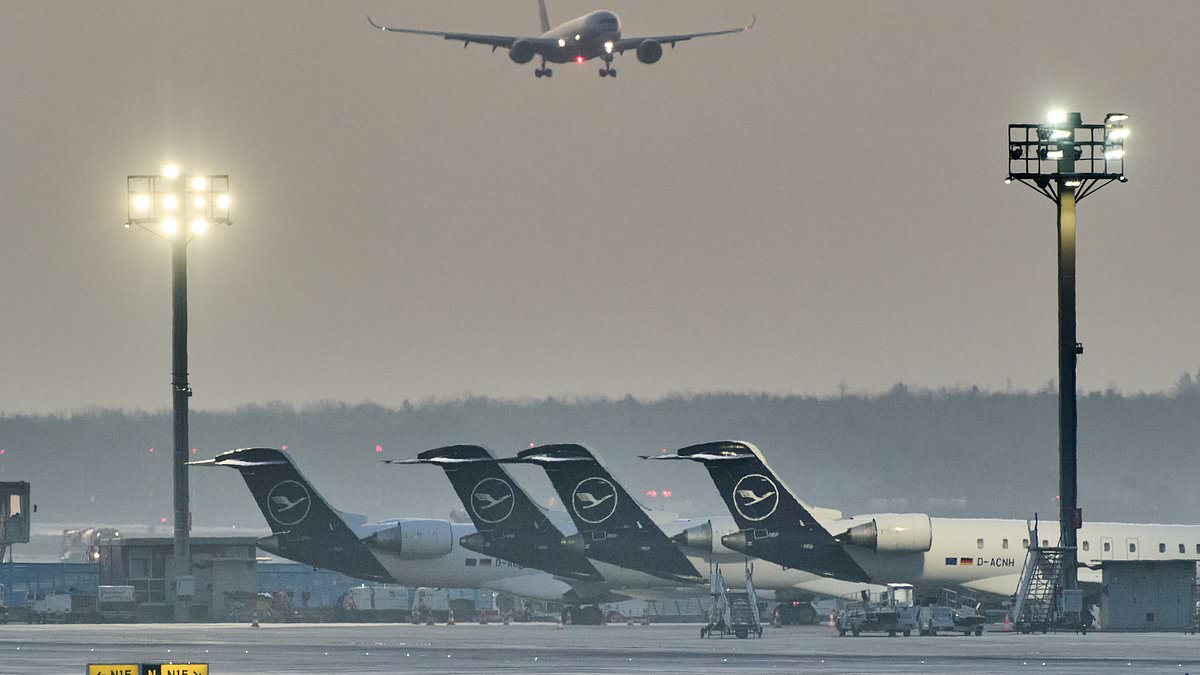
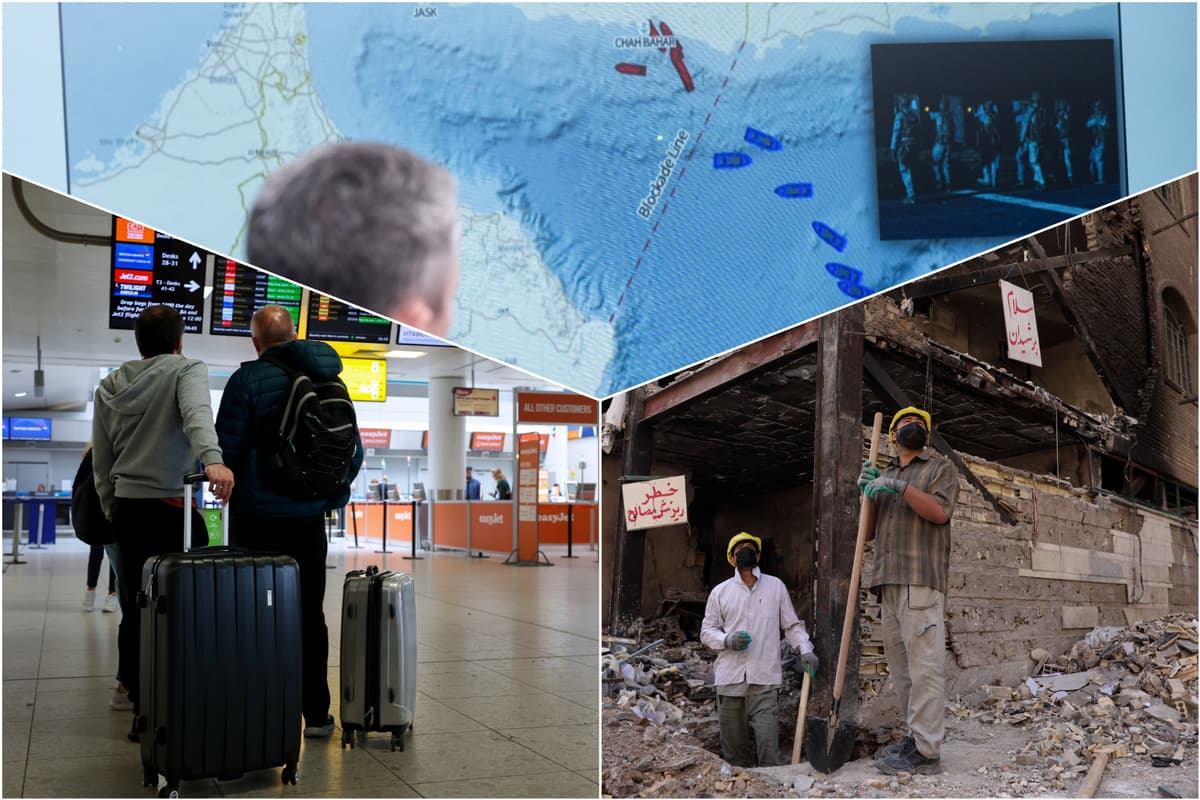
Brits with plans to jet off on holiday in the near future could be facing cancellations and flight chaos as fuel costs soar, triggered by war in the Middle East.Hundreds of flights have been cancelled across Europe, with fears growing the cancellations will begin to take place in the UK.It comes after travellers have already been facing higher fares because the cost of jet fuel has doubled since the conflict started, which airlines are passing on to their customers.Have you got a trip planned during the spring or summer? Worried your journey will be affected?Here's our full guide to the jet fuel crisis and its impact on holidays... What is the jet fuel crisis?The European Commission has said it fears Europe could face jet fuel supply issues 'in the near future' with no end in sight to the Iran war roiling global energy markets.'There is no evidence for fuel shortages in the European Union at present, but supply issues could occur in the near future in particular for jet fuels,' said spokeswoman Anna-Kaisa Itkonen. The cancellations come as officials prepare for fuel shortages across Europe'That remains our primary concern,' she told reporters.The airports lobby ACI Europe has warned the commission of a risk of 'systemic' jet fuel shortages if maritime traffic is not restored in the Strait of Hormuz by the end of April.Around a fifth of the world's jet fuel normally transits through the strategic waterway, which has been blocked by Iran since late February in response to Israeli-American air strikes.The conflict has sent jet fuel prices soaring, even more sharply than oil prices.Airlines have trimmed routes and costs as fuel bills explode and wary clients think twice about travel plans, a situation that could persist even if a fragile truce holds in the Middle East.Europe could start seeing physical shortages of jet fuel by June if the region is only able to replace half of the fuel supplies it normally gets from the Middle East, the International Energy Agency said in its monthly report.The conflict has upended routes between Asia and Europe that relied on Gulf hubs, while a doubling of jet fuel prices and tightening of supplies are hitting airlines hard.Since the US-Israeli strikes on the Islamic Republic began, carriers have hiked air fares, introduced fuel surcharges and cut routes.When could flights be affected? Airlines could be affected as soon as the late May bank holidayOfficials are planning for shortages sparked by the Iran war as early as the late May bank holiday, threatening thousands of families' getaway plans just as the peak season starts. On Thursday, the head of the global energy watchdog sounded the alarm over jet fuel by saying Europe faces possible shortages in six weeks.The boss of International Energy Agency (IEA), Fatih Birol, warned that flights may 'soon' start being cancelled if oil supplies remain patchy.Alluding to the Strait of Hormuz not yet being fully re-opened, he said: 'I can tell you soon we will hear the news that some of the flights from city A to city B might be cancelled as a result of lack of jet fuel.'He added that Europe has 'maybe six weeks or so [of] jet fuel left'.European capitals have been strategising over the potential shortages after the Continent's trade body for airports first warned last week that jet fuel shortages could be just weeks away.Airports Council International (ACI) Europe said its members had 'increasing concerns' about the availability of jet fuel, warning smaller airports are particularly vulnerable.And yesterday it emerged UK ministers are war-gaming for potential shortages in around five or six weeks' time.Officials believe less than 10 per cent of flights would have to be cancelled if shortages hit, because British suppliers have adapted well and 'diversified' where they buy the fuel from.They have told airlines they must give passengers at least two-weeks' notice of any cancellations.However, this could still affect thousands of expectant fliers as the summer holiday high season ramps up.Which airlines are affected?Airlines UK, which represents major carriers such as British Airways, easyJet and Ryanair, said: 'We are talking to the Government about crucial measures that will be needed to support aviation in the event of fuel disruption.'It added that there is 'currently' no disruption to jet fuel supplies.A Government spokesman said: 'We continue to engage with British airlines to support their operations against the backdrop of war in the Middle East, and to limit the impact on passengers.'It also emerged yesterday that air ambulances would be prioritised under 'worst case scenario' planning for jet fuel shortages.According to sources familiar with shortages planning, if our supplies were to completely dry up, emergency services craft – including air ambulances and lifeguard and police helicopters – would be prioritised for receiving the fuel.But Paul Charles, CEO of luxury travel consultancy The PC Agency, warned: 'Demand to fly is at record highs so it's concerning that airlines may need to pull some flights by the late May bank holiday.'Even if the war ended tomorrow, there would be a huge fuel gap to fill before new supplies come through. That gap simply can't be filled from other areas... and so it's likely that long-haul flights in particular would be affected quite severely.'Mr Charles explained: 'Airlines will not be able to guarantee fuel at their destination, so won't be able to fly in, for fear of being stranded.'EasyJet has said it is not currently seeing disruption to fuel supply and its schedule is operating normally.The Daily Mail has contacted British Airways, Ryanair, Wizz Air and Virgin Atlantic for further comment. Meanwhile, climate charity, Possible, yesterday called on the British government to ban private jets from wasting resources. They urged officials to 'take swift action' to help keep fuel available for family holidays abroad. Alethea Warrington, head of aviation at Possible, said: 'As disruption and instability from the oil industry continues, the government needs to take swift action to ensure that ordinary people's summer holidays are protected.'Before accepting the cancellation of commercial flights, we need to ban private jets, luxury class flying, and curb ultra frequent flying.'Warrington explained how the charity felt it would be 'unacceptable' to allow the situation to reach the point where private jet flyers can continue their travels, but ordinary families cannot. She added: 'The alternative of allowing private jet users to keep flying in luxury when families can't take their annual break is unacceptable.'In the longer term, the only way to ensure international transport from the UK is protected from oil shocks is to make better use of our international rail link to Europe.'Several countries are already implementing measures to protect their citizens from these global fuel shocks – when will the UK step up?'Have any carriers already cut flights? Dutch carrier KLM announced that it cancelled 160 flights in the next monthTwo of Europe's biggest airlines have cancelled hundreds of flights amid soaring fuel costs triggered by the Middle East war.Germany carrier Lufthansa said on Thursday that a regional subsidiary, Lufthansa CityLine, will suspend operations from Saturday due to high kerosene prices and labour disputes. And KLM said it had cancelled 160 flights in the next month due to rising fuel costs. It comes as officials are war-gaming for shortages sparked by the Iran war as early as the late May bank holiday, threatening thousands of families' getaway plans just as the peak season starts. They are already facing higher fares because the cost of jet fuel has doubled since the conflict started, which airlines are passing on to their customers.Travellers could also be hit with queues of up to four hours at some European airports, because of new border controls introduced by Brussels.Will my travel insurance cover cancellations? Tim Knighton, travel insurance expert at Compare the Market, said: 'The ongoing conflict in the Middle East has raised concerns about potential travel disruption due to shortage of jet fuel causing delays and cancellations. 'In most cases if a flight is cancelled, the airline is responsible for offering a refund or a suitable alternative. For package holidays, it's typically the tour operator that must provide a refund or rearranged trip.'Having travel insurance can help to recover additional costs that might not be reimbursed by airlines or holiday providers, such as accommodation or alternative transport.'However, he added that cover can vary depending on the policy and the circumstances, so it's important travellers check the terms carefully and speak to their insurer if they're unsure.Paul Gillooly, director and travel insurance expert at Surely, one of the UK's leading insurance specialists, added: 'My honest answer is that most UK travellers will not be covered by their travel insurance if their flight is cancelled because of the jet fuel shortage. 'The root cause of this shortage is the conflict in the Middle East, and standard travel insurance policies contain blanket exclusions for losses arising directly or indirectly from acts of war. That applies whether your flight is cancelled due to airspace closures or because your airline simply cannot secure enough fuel to operate the route.'But the timing of the conflict will have an impact.Paul went on to say: 'What makes this particularly difficult for families is the timing. The conflict became a known event on 28 February 2026. If you bought your travel insurance after that date, your insurer will almost certainly treat any claim linked to the conflict, including fuel-related cancellations, as excluded. 'Even if you had a policy in place before 28 February, the war exclusion clause will likely still apply. There is very little room for a successful claim here under most standard policies.'But there is a chance you could be protected. Paul said: 'That does not mean travellers are completely without protection. If your airline cancels your flight, as per EU/UK261 Rules, it is still obligated to offer you a full refund or rebooking onto an alternative route. 'That applies regardless of the reason for the cancellation. If you booked a package holiday through an ATOL-protected operator, your operator should either rebook you or refund you. 'And if you paid by credit card for a booking over £100, you may have a claim under Section 75 of the Consumer Credit Act, which makes the card provider jointly liable if the service is not delivered. That is a stronger route to getting your money back than travel insurance in this situation.'He added: 'The people I am most concerned about are those who booked using Buy Now Pay Later. BNPL is not regulated until 15 July this year, so there is no Section 75 protection and no access to the Financial Ombudsman if something goes wrong. 'If you booked a summer holiday on BNPL and your flight gets cut because of the fuel crisis, you could be left making payments on a trip that never happens with very little recourse.''Speak to your insurer if you have any concerns or to confirm if your cancellation will be covered by insurance. How the war is impacting flights across the world: What airlines are doing as jet fuel costs surge A surge in jet fuel prices driven by the US-Israeli war on Iran has upended the global aviation industry, forcing airlines to raise fares and revise financial outlooks. Here is how airlines have been responding so far this month:AEGEAN AIRLINES: The Greek airline expects suspended Middle East flights and a spike in fuel prices to have a 'notable impact' on its first-quarter results.AIR FRANCE-KLM: The airline group said it planned to increase long-haul ticket prices to address surging fuel costs, with cabin fares set to rise by 50 euros (£43.60) per round trip.AIR NEW ZEALAND: The airline was one of the first to announce broad increases to ticket prices on March 10. It also suspended its full-year earnings forecast due to fuel market volatility. The price increases for one-way economy fares are set at NZ$10 (£4.33) on domestic routes, NZ$20 (£8.66) on short-haul international services and NZ$90 (£38.98) on long-haul flights, with further price, network and schedule changes possible if fuel costs remain elevated.AKASA AIR: India's Akasa Air said it was introducing a fuel surcharge ranging from 199-1,300 Indian rupees (£1.60 to £10.47) on domestic and international flights.AMERICAN AIRLINES: The US carrier said it expected a $400million (£300million) increase in first-quarter expenses as fuel prices surge.CATHAY PACIFIC: The Hong Kong airline said it would raise fuel surcharges on all routes from April 1, its second increase in about two weeks after a March 18 hike, and review them every two weeks. The carrier, which reviews fuel surcharges monthly, kept them steady last month at $72.90 (£54.90) for flights between Hong Kong and Europe or North America.CEBU AIR: The Philippines-based airline said the sharp rise in fuel prices was a key concern and it would continue to review its pricing and network strategies to mitigate the impact.EASYJET: EasyJet chief executive Kenton Jarvis said European consumers should expect higher ticket prices towards the end of summer, when existing fuel hedges come to an end.GREATER BAY AIRLINES: Hong Kong-based Greater Bay Airlines said it would raise fuel surcharges on most routes from April 1 due to higher fuel prices linked to the Iran war, while keeping charges unchanged on mainland China and Japan routes. Its surcharge for flights between Hong Kong and the Philippines will more than double, the carrier said.FRONTIER AIRLINES: The US airline is reviewing its full-year forecast as fuel prices have increased significantly since it issued the outlook.HONG KONG AIRLINES: The airline said it would raise fuel surcharges by up to 35 per cent from March 12, with the sharpest increase on flights between Hong Kong and the Maldives, Bangladesh and Nepal, where charges would rise to HK$384 (£37) from HK$284 (£27).IAG: British Airways owner IAG said on March 10 it did not plan to increase ticket prices immediately, as it has hedged much of its fuel for the short-to-medium-term.INDIGO: India's biggest airline said it would introduce fuel charges on domestic and international flights from March 14, including a charge of 900 rupees (£7) for flights to the Middle East and a charge of 2,300 rupees (£19) for flights to Europe. The company is also lobbying the Indian government to cut fuel taxes, sources told Reuters.JETBLUE AIRWAYS: The US-based low-cost carrier said it was increasing fees for optional services such as checked baggage as it experiences 'rising operating costs'. Baggage prices will rise by either $4 (£3) or $9 (£7), the company said.PAKISTAN INTERNATIONAL AIRLINES: The carrier said it would raise domestic flight fares by $20 (£15) and international fares by up to $100 (£75), citing higher fuel surcharges.PHILIPPINE AIRLINES: The airline said it had adequate fuel supply to support scheduled operations, but did not have visibility beyond May to June. Company president Richard Nuttall told CNBC the Philippines might eventually consider measures such as rationing how much fuel airlines can purchase, which a few countries have already implemented.QANTAS AIRWAYS: The Australian airline, which had already said it would raise international fares, said on March 26 it would add flights to Rome, Paris and Singapore. It said it was monitoring fuel security, fuel prices and demand, and could make further changes.SAS: The Scandinavian airline said it would cancel 1,000 flights in April because of high oil and jet fuel prices. For March, it said it had cancelled a 'couple hundred' flights. SAS, which had already increased flight prices, said that even if it tried to absorb the rising fuel costs, the price surge would still be a blow to the aviation industry.SPRING AIRLINES: The budget Chinese airline said it would raise fuel surcharges on domestic flights from April 5, with details to be announced later.THAI AIRWAYS: The Thailand-based carrier said it would raise fares by 10-15 per cent to address rising fuel costs.TURKISH AIRLINES, LUFTHANSA: SunExpress, a joint venture between Turkish Airlines and Lufthansa, said it would impose a temporary fuel surcharge of 10 euros (£9)) per passenger from May 1 on routes between Turkey and mainland Europe. The surcharge will apply to bookings made on or after April 1 for departures on or after May 1.UNITED AIRLINES: The US airline is cutting unprofitable flights over the next two quarters as it prepares for oil prices to remain above $100 until the end of 2027, chief executive Scott Kirby said. United has been able to raise fares without materially hurting bookings in response to the rapid increase in oil and jet fuel prices, chief commercial officer Andrew Nocella said.VIETJET: The Vietnamese budget airline said it had adjusted flight frequency on selected routes due to potential fuel shortages.VIETNAM AIRLINES: The carrier plans to cancel 23 flights per week across domestic routes from April, Vietnam's aviation authority said, after the airline requested government assistance to remove an environmental tax on jet fuel.VIRGIN AUSTRALIA: Virgin Australia said it was adjusting fares to reflect rising cost pressures across the aviation sector, which it said were being significantly exacerbated by the situation in the Middle East.