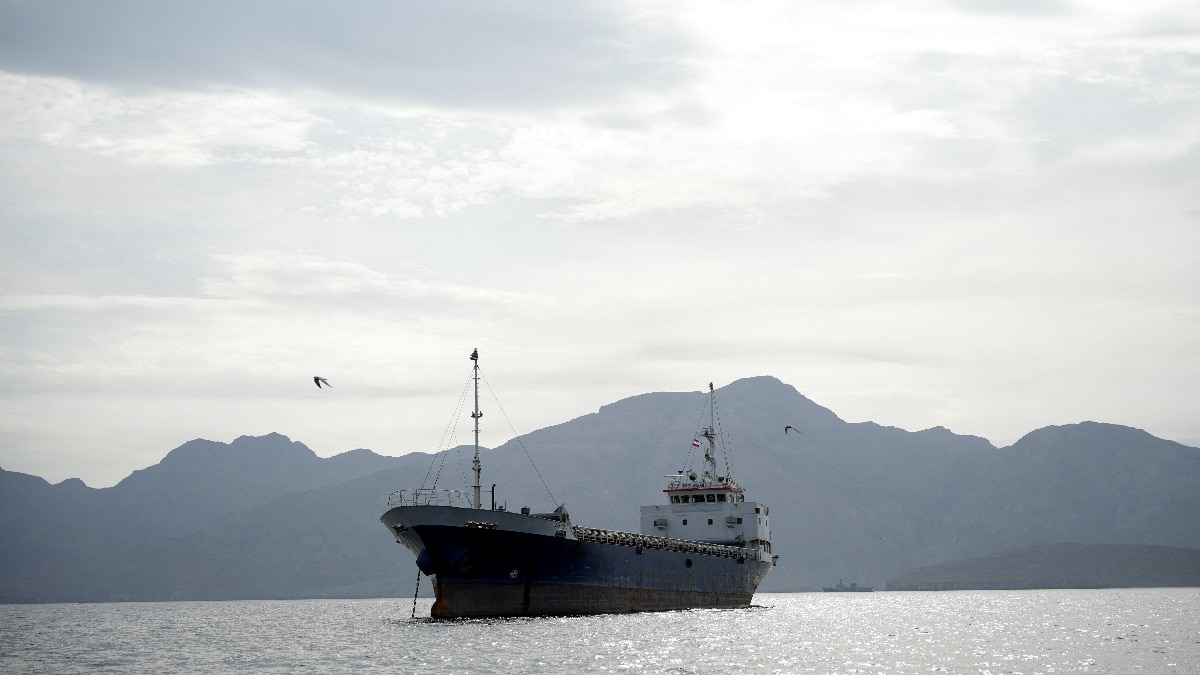
US blockade of Iranian ports sees zero breach in first 24 hours: CENTCOM
The United States’ military blockade of Iranian ports has effectively halted maritime access in its initial phase, with no vessels successfully crossing enforcement lines in the first 24 hours, according to the US Central Command (CENTCOM).
CENTCOM confirmed that “no ships made it past the US blockade” during the first day of operations. At least six merchant vessels were intercepted and complied with US directives to turn around, re-entering Iranian ports along the Gulf of Oman.
The blockade, which came into effect on Monday at 10am ET (14:00 GMT), follows a presidential order aimed at restricting maritime traffic linked to Iran. It applies broadly to vessels of all nationalities attempting to enter or exit Iranian ports across both the Arabian Gulf and the Gulf of Oman.
The operation is being executed with substantial military assets. CENTCOM said more than 10,000 US personnel—including sailors, marines and airmen—are involved in the mission. The deployment also includes over a dozen warships and dozens of fighter and surveillance aircraft, underlining the scale and seriousness of enforcement.
The presence of guided-missile destroyers, aircraft carriers, and surveillance systems is aimed at ensuring real-time monitoring and rapid interception of any vessel attempting to breach the blockade.
ALSO READ: Strait of Hormuz blockade: Govt clears faster rerouting of SEZ export cargo
Strict enforcement
US officials emphasised that the blockade is being implemented “impartially” across all vessels, regardless of flag, provided they are entering or departing Iranian ports. However, Washington has clarified that freedom of navigation remains intact for ships transiting the Strait of Hormuz to and from non-Iranian destinations. This distinction is critical, given the strategic importance of the Strait of Hormuz, which handles a significant share of global oil and gas shipments.
Early data suggest high compliance levels among commercial operators, with shipowners opting to avoid confrontation amid heightened geopolitical tensions and military presence. The immediate turnaround of six merchant vessels highlights both the effectiveness of enforcement and the reluctance of operators to risk escalation.
High-risk strategic move
President Donald Trump’s blockade of the Strait of Hormuz is emerging as a high-risk strategic move, already facing geopolitical pushback and operational challenges. The disruption carries high economic and military costs, not just for the US but for global trade. Saudi Arabia has reportedly called for the blockade to end, while China has warned against interference in its commercial engagement with Iran.
ALSO READ: PM Modi holds 40-minute call with Trump; stresses keeping Hormuz open and secure
China remains central to the equation, accounting for over 90% of Iran’s oil exports. Beijing has pushed for uninterrupted access through the Strait of Hormuz, framing it as a matter of global economic stability. This raises a critical question: how far is the US willing to go in enforcing the blockade, particularly if it involves stopping Chinese-linked vessels.