Ethanol blending likely at 21%? Govt cites BIS margin, vehicle limits
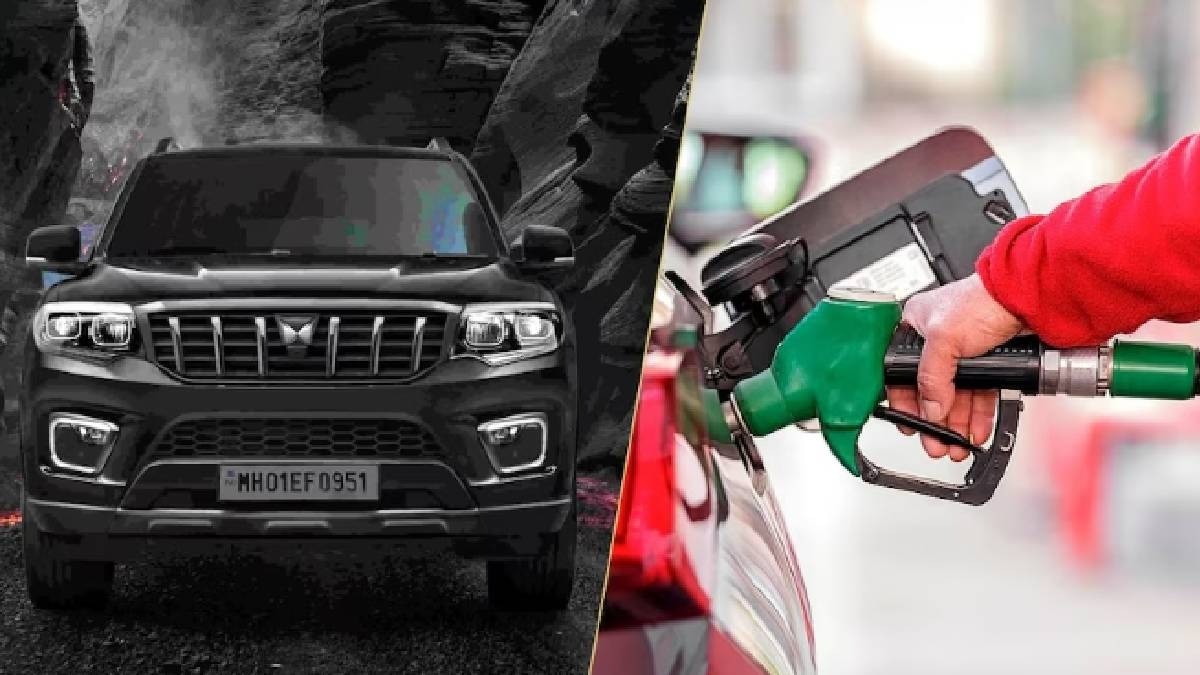
The Centre on Monday indicated that ethanol blending in petrol could be marginally increased to 21% from the current 20%, in line with vehicle tolerance levels and existing standards. The move comes as India continues to push for higher use of biofuels to reduce dependence on crude oil imports, a report in the Times of India noted.
Responding to a query, Heavy Industries Additional Secretary Hanif Qureshi said the government remains committed to expanding biofuel usage. He noted that the Bureau of Indian Standards (BIS) permits a variation of ±1% in ethanol blending, which effectively allows blending levels of up to 21%. “E20 has already been implemented, and a slight increase within permissible limits is possible,” he said.
The Ethanol Blended Petrol (EBP) programme has delivered significant economic benefits so far. According to government estimates, it has helped India save around 4.5 crore barrels of crude oil annually and resulted in foreign exchange savings of approximately ₹1.65 lakh crore.
However, industry experts caution that a higher blending ratio may not be suitable for all vehicles. While vehicles manufactured after April 2023 are designed to be E20-compliant, older vehicles could face compatibility issues. Experts emphasise that further increases in blending would be more effective once vehicle engines are specifically designed for higher ethanol use.
ALSO READ: End of the road for ICE two-wheelers in Delhi? Draft EV policy sets April 2028 deadline
Meanwhile, the ethanol industry has been pushing for an increase in blending limits, citing surplus production capacity. Food Secretary Sanjeev Chopra recently said that a decision could be expected before the next ethanol supply year beginning in November.
To evaluate the roadmap, the government has formed an inter-ministerial panel with representatives from petroleum, food, heavy industries, and road transport ministries.
Qureshi also highlighted the potential of flex-fuel vehicles (FFVs), which can run on up to 85% ethanol-blended petrol. He noted that both two-wheelers and four-wheelers compatible with such fuels are already being developed, which could further reduce India’s crude import dependence.
ALSO READ: Petrol, diesel prices today, April 14: Check prices in top metros Delhi, Mumbai, Chennai and more
E20 and impact of E20
E20 is a mix of 20% ethanol and 80% petrol. Ethanol, derived from crops like sugarcane and maize, has a higher octane rating (~95 RON), which can enable smoother combustion and improved engine performance compared to regular petrol. From April 1, 2025, fuel stations are required to supply petrol blended with up to 20% ethanol, as part of the government’s push for greener and more sustainable fuels.
The impact of E20 varies by vehicle type. Newer vehicles, especially those manufactured after recent regulatory upgrades, are designed to handle E20 without issues. However, older vehicles may see a slight drop in fuel efficiency, and prolonged use could affect certain engine components not built for higher ethanol blends.
The shift is aimed at reducing India’s dependence on crude oil imports, improving energy security, and supporting the agricultural sector through increased ethanol production.Compared to E10 (10% ethanol blend), E20 offers better combustion and higher octane levels, though energy efficiency may vary slightly.
Ethanol blending can also help lower greenhouse gas emissions, as it is plant-based. However, benefits depend on production methods. While promising, challenges such as vehicle compatibility and efficiency concerns remain, making this a gradual but important transition.