Britain will 'not be involved in Trump's blockade of the Strait of Hormuz' as US President vows to completely close oil tanker route
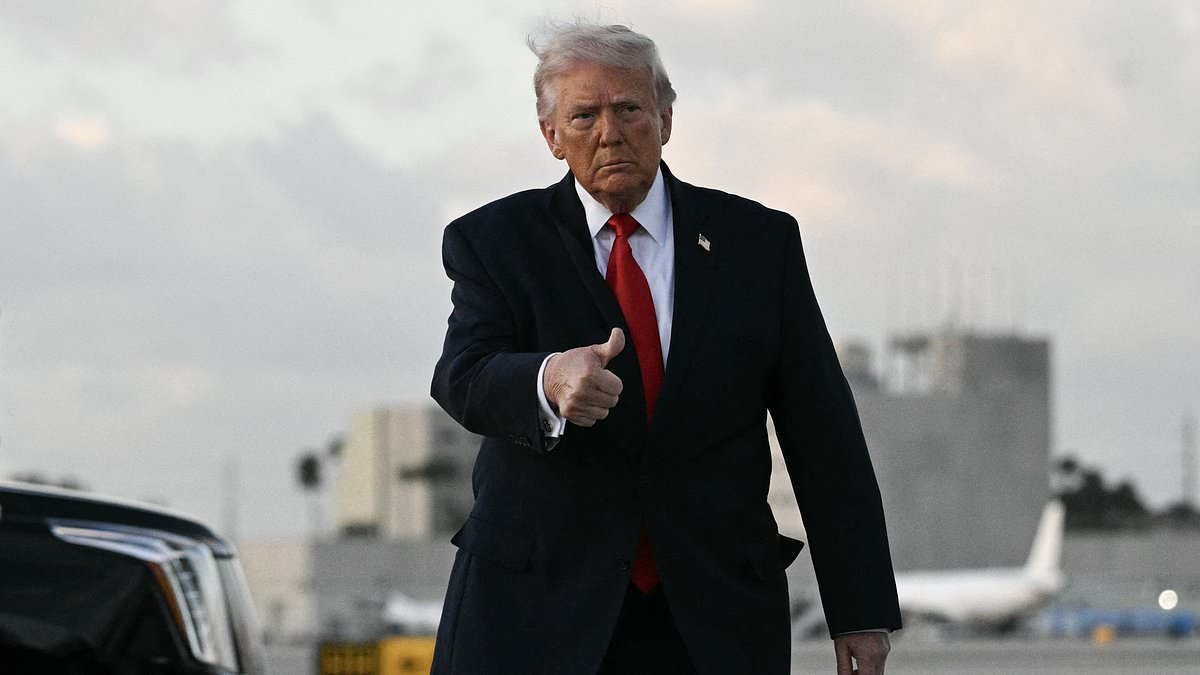
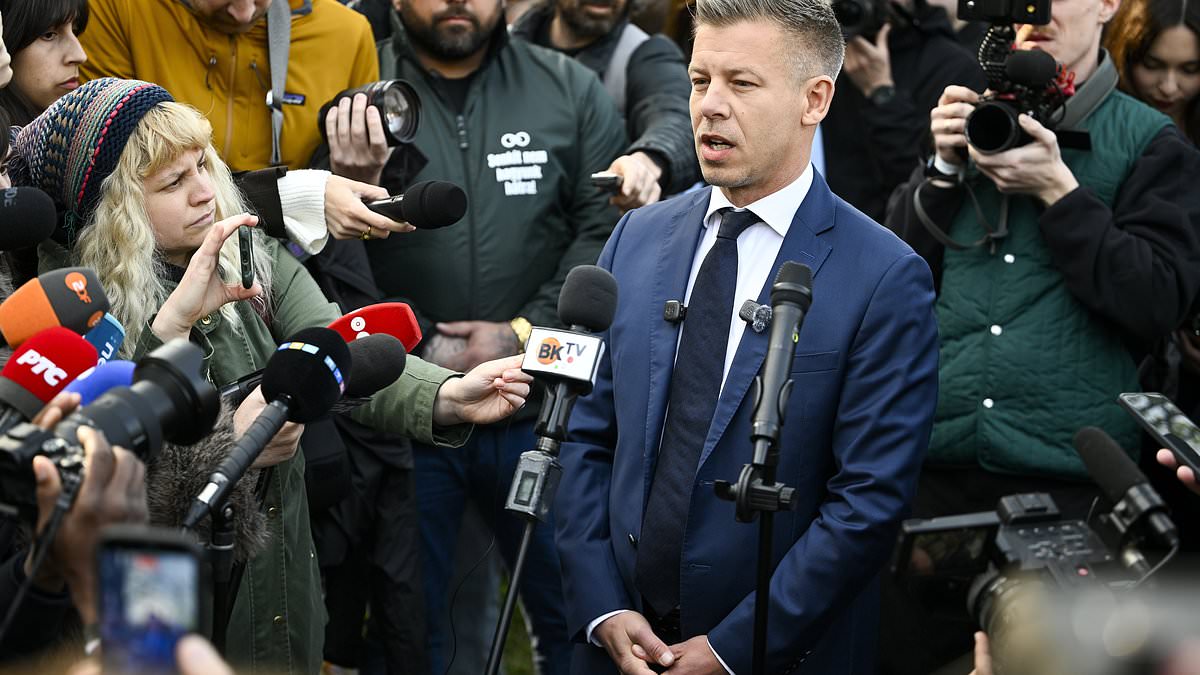
Sir Keir Starmer has refused to join Donald Trump's naval blockade of the Strait of Hormuz, which is due to start on Monday after Iranian peace talks failed. The move signals growing tensions between the UK, other NATO members and the United States, as hostilities in the Middle East look set to continue - with Israel's military moved to a ‘heightened state of readiness’ on Sunday to prepare for further conflict with Iran.Trump on Sunday vowed to send American military vessels to the waterway – one of the most important oil and gas shipping lanes in the world – following failed negotiations with Iran in Pakistan over the weekend. He wrote on his Truth Social platform that the US military would start 'blockading any and all ships trying to enter, or leave, the Strait of Hormuz'.The President said the US navy would also 'seek and interdict every vessel in International Waters that has paid a toll to Iran. No one who pays an illegal toll will have safe passage on the high seas'.He added in a Fox News interview following his announcement: 'I understand the UK and a couple of other countries are sending minesweepers.'But Britain will not play a part in the move, the Daily Mail understands.A Government spokesman said: 'We continue to support freedom of navigation and the opening of the Strait of Hormuz, which is urgently needed to support the global economy and the cost of living back home.'The Strait of Hormuz must not be subject to tolling. We are urgently working with France and other partners to put together a wide coalition to protect freedom of navigation.' Donald Trump (pictured) vowed to send American military vessels to the Strait of Hormuz Sir Keir Starmer (pictured) has refused to join the US' military operation in the Strait of Hormuz, the Daily Mail understands The Strait of Hormuz is one of the most important oil and gas shipping lanes in the world (file image) Trump earlier claimed that the UK and other nations were were sending minesweepers to assist the US in the StraitUS Central Command (CENTCOM) has said that the blockade of the Strait of Hormuz will begin at 3pm UK time on April 13.It said in an update shared on X that 'all maritime traffic entering and exiting Iranian ports' will be blocked on April 13 at 10am ET.It added: 'The blockade will be enforced impartially against vessels of all nations entering or departing Iranian ports and coastal areas, including all Iranian ports on the Arabian Gulf and Gulf of Oman.'CENTCOM forces will not impede freedom of navigation for vessels transiting the Strait of Hormuz to and from non-Iranian ports.'Downing Street on Sunday said that Starmer stressed 'the need to work with a wide range of partners to protect freedom of navigation' in the Strait of Hormuz in a phone call with French president Emmanuel Macron. The latest statement reiterates previous messaging from the Labour leader, who previously said that 'as many partners as possible' must be involved in coming up with a 'viable plan' to reopen the maritime pinch point, pointing to the UK's role in hosting talks on the issue with a coalition of countries.Read More Donald Trump 'is considering limited strikes on Iran' after failed peace talks: LIVE UPDATES The third such meeting convened by Britain is set to take place this week, following a virtual meeting of more than 40 nations chaired by the Foreign Secretary and a gathering of allied military officers.The Prime Minister said UK mine hunting systems were already in the region.Sir Keir – who faced fresh personal criticism from the US president – earlier on Sunday urged the US and Iran 'to find a way through' after their 21-hour negotiations in Islamabad collapsed, casting uncertainty over the shaky two-week truce.In a readout of the Prime Minister's call with the Sultan of Oman, His Majesty Sultan Haitham bin Tarik al Said, a Downing Street spokeswoman said: 'They discussed the peace talks held in Pakistan over the weekend and urged both sides to find a way through.'It was vital there was a continuation of the ceasefire, and that all parties avoided any further escalation, the leaders agreed.'Trump meanwhile continued to pour scorn on NATO and the UK over their refusal to support offensive operations against Iran, calling the defensive alliance 'shameful'.The Republican leader again compared Sir Keir to Neville Chamberlain, whose premiership was defined by his 1930s appeasement of Nazi Germany.Trump told Fox News: 'He made a public statement that "we will send equipment after the war is over" – that's a Neville Chamberlain statement'. Smoke rises from the site of an Israeli airstrike that targeted an area in the southern Lebanese city of Nabatieh on April 12 US Central Command (CENTCOM) forces began setting conditions for clearing mines in the Strait of Hormuz, April 11, as two US Navy guided-missile destroyers conducted operationsThe President said talks in Pakistan involving US vice-president JD Vance 'went well, most points were agreed to, but the only point that really mattered, nuclear, was not.'Read More Trump BLOCKADES Strait of Hormuz as US Navy is deployed to powder keg after Iran rejects peace talks Israel's military was moved to a ‘heightened state of readiness’ on Sunday to prepare for further conflict with Iran, as it continued to pummel Lebanon with missiles.Eyal Zamir, the Israeli Defence Forces (IDF) chief, said response times would be shortened in case further air strikes were needed.It echoes his words following the announcement of a ceasefire last week, when he said Israel remained ‘in a state of war’ and that forces could ‘return to fighting at any moment, and in a very powerful way’. On Wednesday, hours after the ceasefire was agreed, it launched 100 deadly strikes on Beirut, Lebanon, killing 300 people including at least 33 children.Lebanon’s president Joseph Aoun, who has made disarming terror group Hezbollah a key priority, branded the strike a ‘massacre’. Meanwhile, Israeli bombing raids continued in the south of Lebanon, home to Hezbollah. The IDF yesterday said it had ‘struck and dismantled’ a rocket launcher that was ‘positioned and ready to launch’ towards Israel.There has been disagreement over whether the ceasefire between the US and Iran includes Lebanon, but Donald Trump called Israel’s conflict with Hezbollah a ‘separate skirmish’. Israel and Lebanon are set to hold talks next week in Washington.Despite President Trump's plans for a US blockade, NATO has been reluctant to enter the powder-keg Strait of Hormuz. Just 21 miles wide at its narrowest point, filled with mines and within striking distance of missiles and drones fired from a labyrinth of Iranian mountains – any move by the US Navy to blockade the waterway would risk heavy losses. Face-to-face talks ended on Sunday after 21 hours, leaving the already-fragile two-week ceasefire in doubt.US officials said the negotiations collapsed over what they described as Iran's refusal to commit to abandoning a path to a nuclear weapon, while Iranian officials blamed Washington for the breakdown of the talks without specifying the sticking points. Neither side indicated what will happen after the 14-day ceasefire expires on April 22. Pakistani mediators urged all parties to maintain it. 'We need to see an affirmative commitment that they will not seek a nuclear weapon, and they will not seek the tools that would enable them to quickly achieve a nuclear weapon,' Vance said after the talks.Iran's parliament speaker Mohammad-Bagher Ghalibaf, who led Iran in the negotiations, said it was time for the United States 'to decide whether it can gain our trust or not'.He did not mention the core disputes in a series of social media posts, though Iranian officials earlier said the talks fell apart over two or three key issues, blaming what they called US overreach.Iran has long denied seeking nuclear weapons but has insisted on its right to a civilian nuclear program.It has offered 'affirmative commitments' in the past in writing, including in the landmark 2015 nuclear deal. Two F/A-18 Super Hornets launch from the flight deck of the US Navy Nimitz-class aircraft carrier USS Abraham Lincoln in support of the Operation Epic Fury attack on Iran from an undisclosed location March 3 An F/A-18E Super Hornet launches from the flight deck of the US Navy Nimitz-class aircraft carrier USS Abraham Lincoln during the Operation Epic Fury attack on Iran April 1Experts say its stockpile of enriched uranium, though not weapons-grade, is only a short technical step away.Since the US and Israel launched the war on February 28, it has killed at least 3,000 people in Iran, 2,020 in Lebanon, 23 in Israel and more than a dozen in Gulf Arab states, and caused lasting damage to infrastructure in half a dozen Middle Eastern countries.Iran's grip on the Strait of Hormuz has largely cut off the Persian Gulf and its oil and gas exports from the global economy, sending energy prices soaring.As a result, Trump is under increasing pressure to end the war as soon as possible. Asked whether oil and gas prices would come down before midterm elections in November, Trump told Fox: 'I hope so. I mean, I think so. It could be the same or maybe a little bit higher.'