Why Highway Truck Accidents Increase During Holiday Travel Seasons - Focus on Travel News
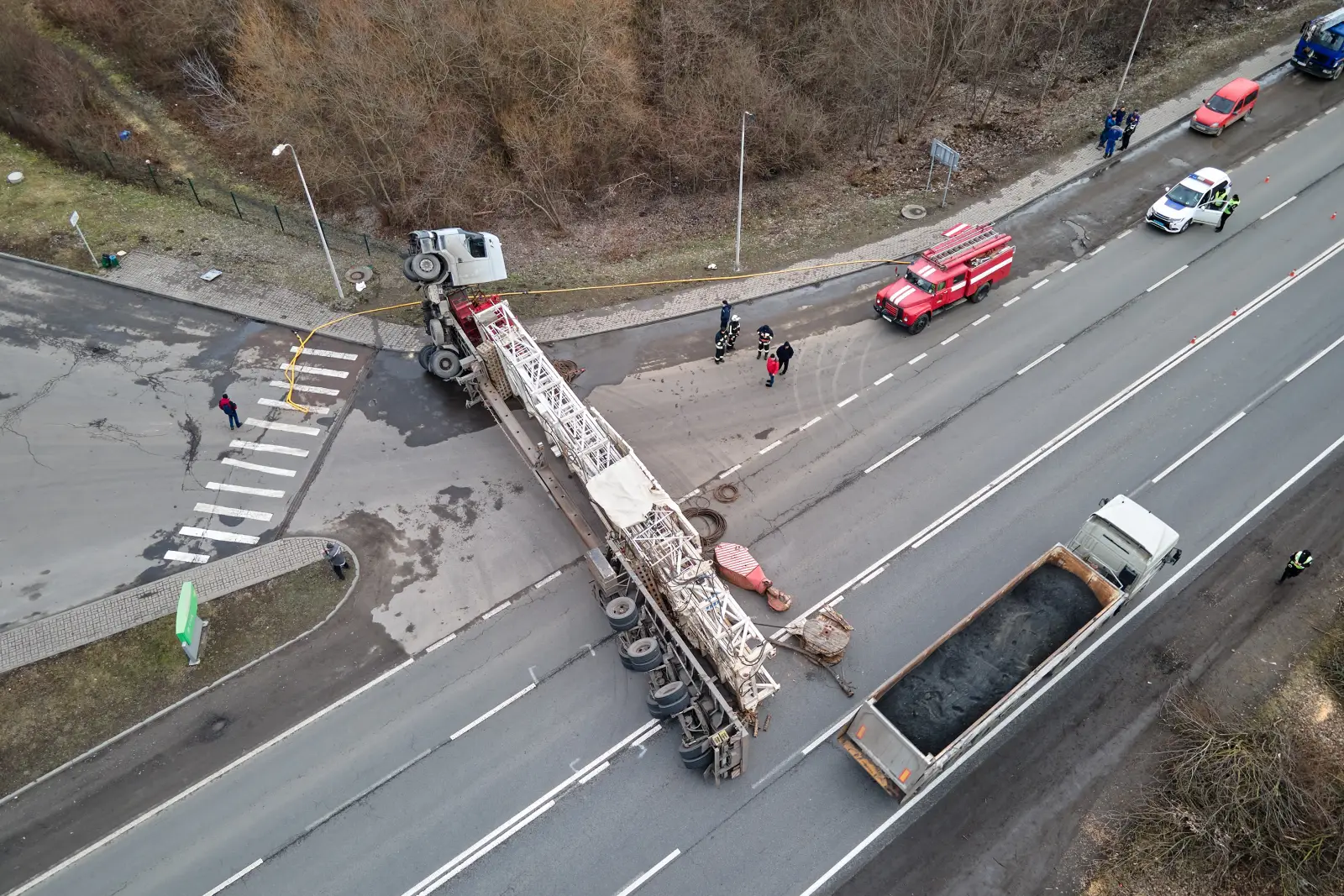
Holiday gridlock forces fatal mechanical failures. They create a perfect storm of physics and federal compliance failures. The truth is much darker than mere highway congestion. Supply chain demands skyrocket right as unpredictable passenger vehicles merge into lanes heavily dominated by tired commercial operators. Traffic data reveals that average fatalities during six major holidays reach 119 per day, a sharp jump from standard periods. The real culprit is the collision between rigid delivery schedules and volatile road conditions. In the most recent finalized federal reporting period, 6,050 large trucks and buses were involved in fatal crashes, marking a continuous upward trend in highway fatalities.The Invisible Pressure Of Holiday LogisticsWhen consumers expect rapid shipping, dispatchers push freight networks past structural limits. Freight companies often incentivize speed over safety. Drivers face constant pressure to maximize routes.This economic reality forces massive machines to maintain dangerous speeds through dense traffic. Passenger car drivers brake erratically. Truckers cannot stop fast enough. A loaded commercial vehicle requires almost the length of two football fields to reach a complete halt. When passenger cars abruptly cut off a loaded trailer, the lack of stopping distance frequently results in catastrophic impact. In fatal collisions, national safety data shows the victims are primarily the occupants of other vehicles. The truck driver walks away. The families inside the passenger car do not.How Traffic Choke Points Force Driver ErrorsHighway infrastructure breaks down under the weight of holiday travel. Commercial drivers rely on predictability to manage stopping distances and maintain momentum. Holiday travelers introduce sudden stops and erratic lane changes that destroy that predictability.The Rural Highway SqueezeNavigation apps route thousands of passenger cars onto secondary roads. These rural routes lack the wide lanes and physical dividers necessary to handle heavy commercial freight safely. Soft shoulders give passenger cars nowhere to escape when a commercial truck drifts across the centerline. Unlike major interstates, these roads rarely feature the sturdy safety barriers needed to prevent a multi-ton commercial vehicle from crossing directly into oncoming traffic. A tired trucker correcting a slight drift on an interstate might just bump a rumble strip. On a rural route, that same drift causes a head-on collision.The Interstate Lane ShuffleMajor highways present a different mechanical trap. Commercial drivers lose visibility when passenger cars weave through blind spots to make exits. National data indicate that roughly a quarter of interstates account for fatal large truck crashes. Drivers abruptly cut off trucks to reach exit ramps, misunderstanding the braking physics required to halt a fully loaded trailer. Commercial trucks have massive blind spots known as No Zones. When passenger cars linger in these areas, a simple lane change turns into a sideswipe collision.The Hidden Reality Of Deferred MaintenanceHoliday shipping schedules leave zero room for fleet downtime. Transport companies make their highest profit margins during the winter months. Fleet managers often defer routine maintenance until the holiday rush ends. Cold weather degrades air brake systems rapidly. Moisture builds up in the air lines and freezes, reducing the braking power across the entire trailer. The driver presses the pedal, but the frozen valves fail to engage the rear drums.Discovery procedures to investigate these specific mechanical failures vary in many jurisdictions. In Charlotte, North Carolina, for example, strict state-level protocols dictate the urgent preservation of commercial fleet inspection records. Securing this critical evidence demands the immediate oversight of a Charlotte truck accident lawyer, such as the seasoned litigators directing Stewart Law Offices, an award-winning firm dedicated to fierce client advocacy, to mandate access to maintenance logs before FMCSA retention periods expire and the carrier legally purges the files.When Hours Of Service Become Hours Of ExhaustionThe Federal Motor Carrier Safety Administration sets strict rules on commercial schedules. A driver receives a daily allotment of 11 driving hours within a fourteen-hour window. Holiday logistics frequently push drivers to use every single minute.Logbooks supposedly track this time. Dispatchers sometimes pressure drivers to abuse split duty periods or misclassify loading dock wait times. A driver logs off duty while sitting in the cab waiting for warehouse workers.The regulatory agency classifies these abuses as severe breaches requiring immediate corrective action. Paper logs routinely show compliance while the operator suffers from verifiable fatigue.“The biggest mistake seen in the clients is assuming the truck driver simply lost focus”, says Brent Stewart, a Charlotte truck accident lawyer. “Insurance adjusters will often try to use this specific tactic to frame the crash as a simple accident, completely hiding the fact that the driver was pushed four hours past their legal limit by a dispatcher demanding a holiday drop off.”Photo Credit: dotshock / Shutterstock.com Preserving The Truth Before Evidence VanishesCommercial trucking companies mobilize rapid response teams minutes after a collision. These corporate investigators deploy to the scene to protect the carrier. They secure the electronic logging devices. They download the engine control module data.Victims often wait weeks to request this data. By then, routine maintenance protocols erase the telematics history. The exact digital proof required to expose a speeding driver vanishes during the next engine cycle.A formal preservation letter halts the routine destruction of critical telematics data. This legal demand forces the carrier to freeze all telematics. Without this demand, the company legally overwrites the exact data proving the driver ignored safety limits. Federal crash data consistently links the holiday spike in severe collisions directly to FMCSA hours-of-service violations. Holding specific corporate policies accountable requires hard digital proof.Questions About Holiday Trucking AccidentsHow quickly does a trucking company delete electronic logbook data?Carriers typically overwrite electronic logging device data after six months, but engine control modules can erase hard braking event data after just a few ignition cycles.Does bad weather excuse a truck driver from a holiday crash?No. Commercial drivers must follow the extreme caution standard. Federal regulations require them to reduce speed or stop driving entirely when weather creates hazardous conditions.Can I access the truck’s dashcam footage after a collision?Securing dashcam footage requires executing a targeted spoliation letter to halt the carrier’s automated overwrite protocols.Top Photo Credit: Bilanol / Shutterstock.com