Is the interior trend of wall panelling coming to an end in 2026?
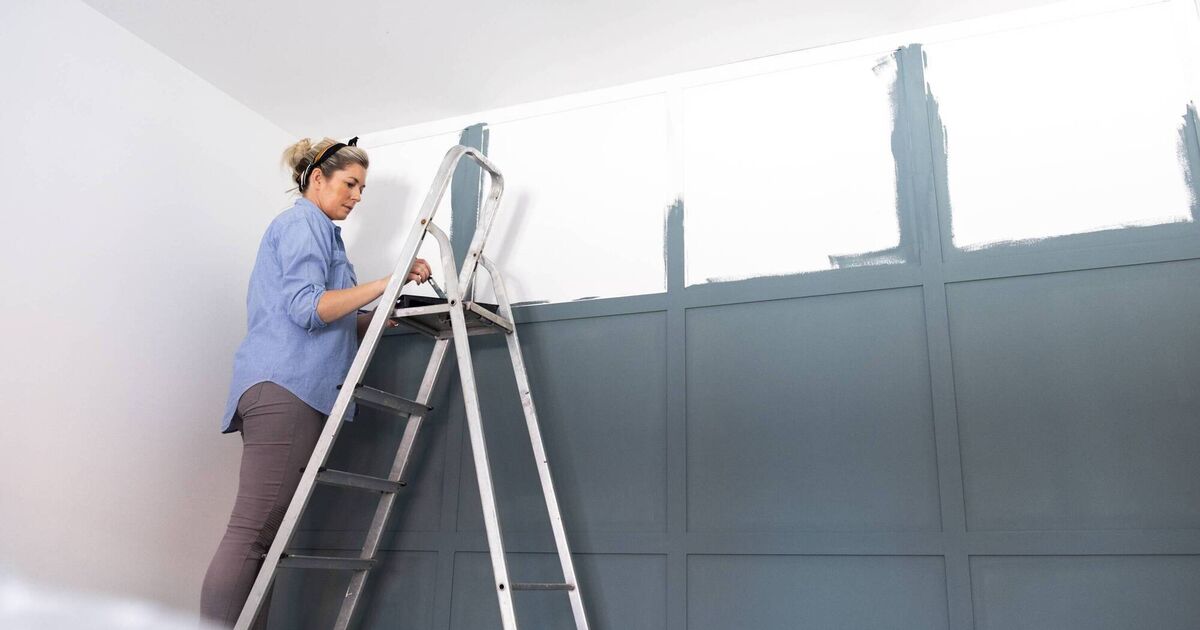
Some social media commentators are calling time on panelling, but could a favourite trend of the past two years be going the way of painted, feature walls? Kya deLongchamps examines our optionsWALL panelling has been feted throughout the last two years as a swift, cheap way to elevate rooms and conduit areas. It is. Offering dimensionality and character over large expanses, if you could whip open a tube of grip-fix, shoot a laser line, and unholster a drill, you had a compelling possibility for chic, radical change. DIY outlets soon recognised this Instagram thirst-trap with individual elements and panelling kits that required a weekend’s graft. Traditional Victorian dandies and bold fluted acoustic panelling – we simply couldn’t get enough. Now, this aesthetic fever has led to some brutal, social New Year take downs.Pulling panelling down These sneering projections centre largely on two things. First is the accessibility of this improvement to all. This could, according to several influencers, be regarded as the mark of an over-excited amateur tarting up a starter home (oh, the shame). Secondly, it is an attack on the era-inappropriate application of period inclined panelling to a modern or even new home. I think both attitudes are mean-spirited. You don’t have to go all over the walls to engage with panelling. A current trend puts panelling into focus behind feature furnishings and areas of the room with an artsy column of beautifully figured wood as here. Picture: iStockIf the panelling sings with your overall interior aesthetic – why not? I recently visited a newly built, red brick two-storey with bruised black traditional panelling soaring over the hall and framing the staircase in unashamed Arts & Crafts splendour. Fab-u-lous. We’re becoming creatively paralysed by Instagram. Life is too short to stuff mushrooms or be afraid of a little daring in our decor.Still versatile Panelling 2026 offers a wide choice of techniques to layer on warmth and flair. You just have to decide what you want out of the project. There are so many potential styles, layouts, profiles, textures, and tones to explore. We can frame the panelling out to cloak the wall and levelling out imperfections just as they did in the 18th and 19th centuries. Otherwise, we can indicate the panelling - applying skinny beads of timber to break up the dull acres without any physical intrusion (a super cheap adventure). Peninsulas, baths, islands, doors and even wardrobes can be flipped too.Combined with wallpaper or a sumptuous paint choice, even a little panelling can make a serious statement in a dull hall, bathroom or heading up a bed or sofa for a small spend. 2026 is after all the year of intentional colour.Cabin core doesn’t have to be insanely rustic. Try wide planks in sumptuous colour to add texture and interest. Picture: iStockI would warn against a gallop into the two main pre-cut forms of panelling on offer – the various moulded Shaker panels, or those reeded acoustic panels (more of these later). Instagram is heaving with creativity to take to the walls. If the walls are true, with a few basic DIY skills or the help of a friendly carpenter, you can not only decorate but alter the perceived proportions of an area with an applied vertical or horizontally inclined panel job in timber batons or cheap, pre-cut MDF. Yes, you must get the measurements and levels right, but tailored to the space, the extra effort can lead to a far more bespoke finish than add-water-and-stir wood and polymer wall-moulding kits.Classic shapeshifters Vertical plank panelling (plain, ship-lap, V-grooved or beaded at the edges) has been around for centuries - applied to all sorts of projects from the kitchen to the bathroom. It has a pastoral, nostalgic appeal but is sleek and inoffensive for a modern new home. T&G boards immersed into a surrounding wall colour, can sit easily where an elaborate set-dressing of small square Jacobean pretenders or raised Georgian panels might shriek Hyacinth Bouquet. Waist level (wainscot) panelling with a simple top rail is impactful without being a blousy, overbearing star, and remains a perfect way to protect the walls in a busy hallway. If you’re not handy – explore simple MDF elements to butt together, fastening with cap rails. Shaker, board-and-batten grids are still trending, and with real substance, the shallow profiles of their grid form deliver interesting shadow-play and highlighting the tones in a beautiful paint colour.Light, elegant and characterful, here panelling applied directly over paper adds a freshening originality to a period space that’s picked up in the entry door and hall wall panels. Picture: iStockBoth MDF and timber can be repainted – again, making panelling a versatile inclusion that can last through several decorating cycles. The bones and geometry might say period but taken to the more definite colours trending in 2026, your wall-flower new or existing can be brought right up to date. Drench it to match the surrounding wall colour. Deepen the skirting with moulding for a more architectural footing. Where you fancy vertical and horizontal stiles and rails in grids, squares, and rectangles, use them to improve the dimensions of the wall. Setting pictures, mirrors and other artful objects within the frames of full height wall panels can be stunning artifice. Scale the piece to the area available.Emerging styles, fading trends The past year saw a strong showing in knotty timbers run up or across the wall, that largely resembled rustic and polished flooring. You can try a touch of this in either reclaimed real timber, salvaged boards or engineered and laminate products. Rough, raw materials including oxidised metals and wood will catch dust – be warned before leaping to the unique. I like timber framing that recalls timber framed (partitioning) without the plasterboard applied. It looks cool and the voids provide lovely incidental shelving. Try just a section of wall, with a panel of gorgeous timber taken right to the ceiling to anchor key furniture. Wood cladding, in cabin-core style is a commitment, but you can confine it to one wall in beautiful grains and figuring. Herringbone is another bold trending choice, but worth considering as a one-wall feature with its toes in a growing celebration of Art Deco.If there is one type of panel I would describe as likely to date – it’s slatted acoustic panels. They just don’t have a vernacular familiarity and are overused everywhere from commercial offices to health centres. Despite their sharp good looks and effective muffling of airborne and resonant noise from room to room, ribbed panels can also evoke visually induced dizziness, as your brain tries to settle on the repeating rhythm of the fluted surface. They make me swoon to fainting and leave my ears ringing. Having spoken to readers, I know I’m not the only one. Visit a showroom with a large area of reeded wall panels on display and see if anyone reacts with a jolt of nausea or loss of balance. “Panel drenching” in this form of panelling can be just too severe.Rules to rule with panelling Panelling small rooms, with low ceilings can add to the visual clutter of the space, and if not connected to other architectural features like skirting and crown moulding, it can make things appear cramped. Always take fixing anything to your walls seriously. Framing the panels out will entail some drills holes for the supportive battens. These areas will have to be repaired if the panelling comes down – so first do as little harm as possible. Grip-fix, and other “instant grab” adhesive are the go-to for a quick panelling job taken directly to the wall, but this tough no-nails wonder is not coming off without extensive damage to the panel and the plaster coat beneath. It’s nice to be able to tell a potential buyer that the eye-catching, character wall can be preened down with a screwdriver.Panelling should never be used to cover a damp problem or seriously damaged plaster (even if this was routinely deployed in the past). Fix the issue first. What you can hide is slender storage cupboards and even doors to beyond with bump operation secreted behind panelling, an old Georgian trick. Whatever you decide on, the quality of the finish and the perfection of your levels will make or break the job. That tiny gimble in your brain will always find that crooked rail or leering gap. Measure twice, cut once and check the levels assuming your walls are irregular. Painting or staining? Test in a variety of light conditions. Can we go too ornamental? Should we all be whipping fleur-de-lis stencils all over our new wainscotting? Er, probably not.