How to decorate when you don’t know your style yet
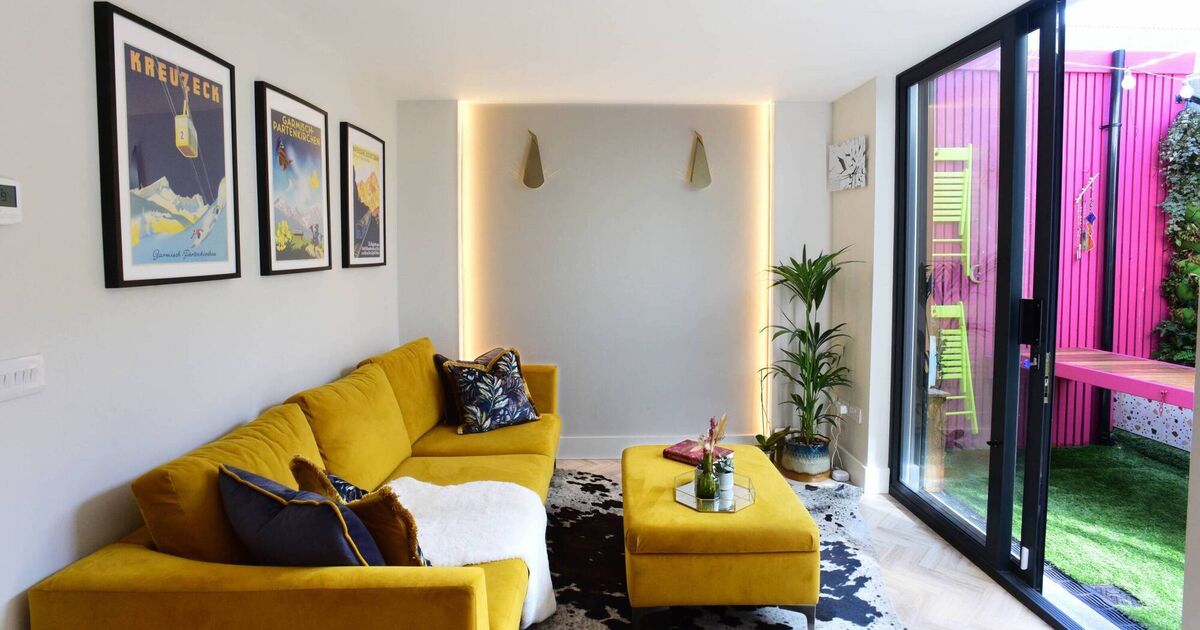
If you've ever spent a happy Sunday afternoon down a Pinterest rabbit hole, only to emerge three hours later with 400 saved images, a mild headache, and absolutely no idea what you actually want your sitting room to look like – you're not alone.The internet has given us access to more beautiful interiors than we know what to do with, and it can make the whole business of refining our personal sense of style completely overwhelming.Here's the thing though: you already know what you like. You probably just don't know that you know it yet. When I work with clients who feel lost, the breakthrough almost always comes from the same place: we find one piece they love without reservation – a fabric, a tile, a piece of furniture – and we design everything else around it. One anchor is all you need.Start with what you own The quickest shortcut to finding your style is to look at what you've already chosen. Your wardrobe. Your favourite photo or piece of art. The café you frequent. These are not random choices – they are a map of your taste, and your home should be an extension of that. If you choose a colour or a piece of furniture because it's trending, or because you think it's something you should like, it will never quite feel like yours. Your home has to feel like you, or it will always feel slightly off.When I bought my own home, the first thing I chose was my couch – a turmeric yellow that I loved immediately. Everything else in my home flowed out from that one decision. I didn’t listen when anyone said, “Ooh that’s a … bold colour,” because I wasn’t buying it for them.A mood board, like this one by Caroline Maguire Interiors, is always useful to give focus to your overall style choices. Gather first, edit later This is where Pinterest, Instagram, and magazines earn their keep. Start saving images of interiors that stop you in your scroll – don't overthink it, don't try to be consistent, just save what you like. Go offline too – spend time in spaces you love and notice what you like about them. Take pictures, make notes.Then step back and look at everything together. Patterns will emerge. Maybe everything you've saved has warm tones and natural materials. Maybe you keep gravitating towards maximalist, heavily layered rooms. Pay equal attention to what's not there – ruling things out is as useful as knowing what you want.I use Pinterest regularly and find it invaluable for this kind of 'style archaeology'. But I'd strongly recommend pairing your digital board with a physical one too. Print images, gather samples; stick them on a board, rearrange them, and put them somewhere you can see them. Texture matters, as do pairings, plus this way you’ll quickly learn what holds your interest long term versus what you tire of quickly.Always bring a bag of samples and a measuring tape on interiors shopping trips. Bring a bag of samples everywhere Here is a habit I recommend to every client, and it will stop you from ill-advised impulse purchases: keep a bag of samples with you at all times when you're in the process of decorating. Fabric swatches, paint samples, a tile, a plank of your flooring, and crucially a measuring tape - all of it, in a bag, in your car or your handbag.Something that looks ideal in a shop can be not-quite-right when you get it home, and you can’t rely on images on your phone to accurately portray colour. Physical samples keep you anchored to your actual space and stop the kind of impulse purchases that result in a home that looks stylistically confused rather than interestingly layered. If you’re not certain, do not buy it. Sleep on it. You can always come back for it.Contrasting textures create depth and interest in the upstairs bathroom of Jen Sheahan's home. Picture: Moya Nolan.Some simple rules of thumb Staying true to your own preferences is important, but here are my favourite easy guidelines that can help to keep things cohesive.Contrast your textures. A room where everything is the same finish will feel flat. Pair rough with smooth, hard with soft, and matte with shine.Use the colour wheel; a quick search online will bring one up. Pairing complementary colours opposite each other on the wheel – e.g. navy and terracotta – creates dramatic contrast. Pairing analogous colours beside each other – e.g. blue and violet – creates calm. Neither is right or wrong; it’s a guide to help you achieve the look you want.Pay attention to balance and proportion. A room full of small items feels busy and unsettled; fewer, larger pieces tend to feel more considered. Make sure there is a focal point – that the eye has somewhere to rest.A final word Be prepared to make mistakes along the way – if something doesn’t work, sell it online or donate it, don’t shoehorn it in. Trust what you're drawn to, stay anchored in the things you already love, and the rest will fall into place. For a practical guide, pick up The Interior Design Handbook by Frida Ramstedt. It's clear, unpretentious, and full of useful tips.For a practical guide to decorating your home, pick up The Interior Design Handbook by Frida Ramstedt. It's full of useful tips.