Bank of Ireland plans further €1.6bn tech-led spend over next three years
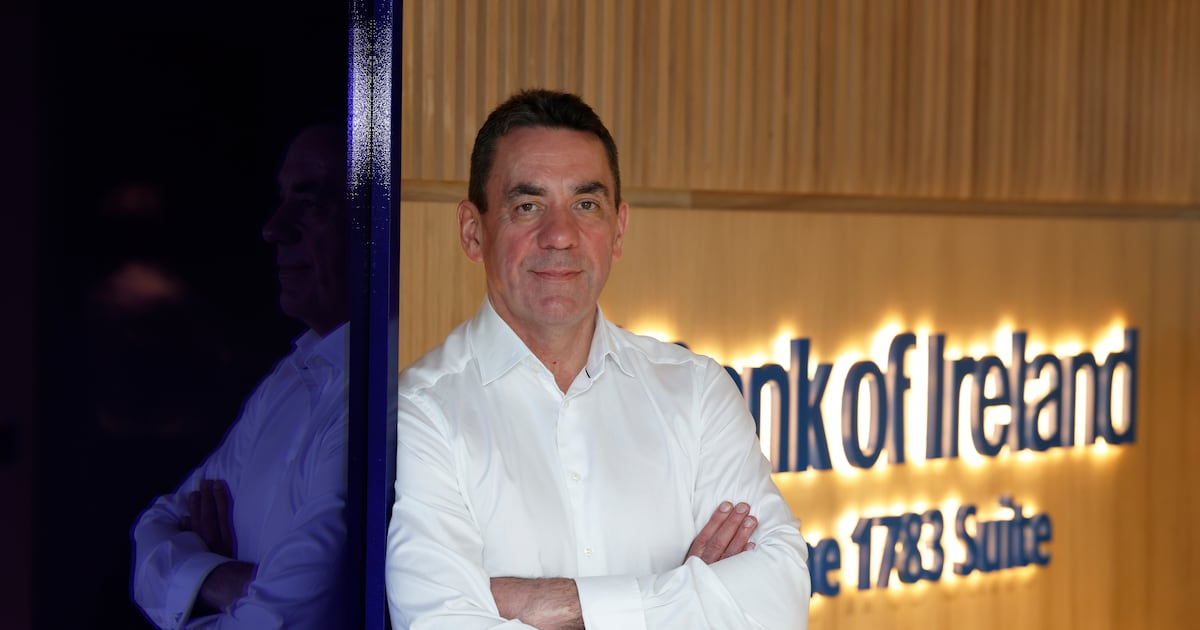
Bank of Ireland plans to invest about €1.6 billion mainly on information technology (IT) improvements out to the end of 2028. This will match its spend over the past three years, as the bank continues to improve efficiency and gradually reduce staff numbers, according to its chief executive. Myles O’Grady, who has led the bank since late 2022, said in an interview with The Irish Times that money had been invested in recent years in areas such as modernising the bank’s core platforms, cyber and fraud protection, building a new business lending platform, and introducing some artificial intelligence (AI) functions. In the past year, the group has also rolled out a Single Euro Payments Area (Sepa) instant payments system to comply with mandatory EU requirements and come together with the other Irish banks to roll out a new peer-to-peer payments app, called Zippay, to take on the likes of neobank Revolut. Bank of Ireland has also invested in developing a new mobile phone app, which is being tested with “friends and family” and is on course to be launched by the end of June, according to O’Grady. READ MOREDAA retail arm, ARI, takes first step into US marketWhy do politicians want AI to go faster?Should you live in employer-provided or subsidised housing? We’re not experiencing a 1970s-style oil price shock just yet, but things are getting worse“Over the last three years, we spent in the region of €1.6 billion. The strong performance [by the bank] allowed us to invest to grow our business, return capital back to shareholders, but also allowed us to invest in our technology capability,” he said. “We will spend about the same over the next three years.” O’Grady said the new app will be more “user friendly”, “engaging” and “faster” than the current one. The bank will be able to carry out software updates and upgrades more quickly in future on the app, he added. Rival AIB is planning to launch what it calls a “new, next generation” app for customers in the second half of this year.Bank of Ireland’s investment over the next three years is aimed at projects such as enabling automated mortgage loan decisions, developing new digital platforms for the bank’s wealth, commercial and UK businesses, and continuing investment in AI and fraud and cyber protection.The chief executive signalled early last month that about 20 per cent of the bank’s targeted €250 million of cost savings over the next three years – to keep running expenses flat at €2.2 billion against the backdrop of general inflation – will come from the greater use of AI by the business.[ AI a double-edged sword for Bank of Ireland: good for trimming costs, bad for revenuesOpens in new window ]The bank’s objective is to lower its cost-to-income ratio to the “mid-40s” per cent by 2028 from 49 per cent last year – as operating expenses remain stable and income continues to grow, thanks to rising customer deposits, loans and assets under management in its Davy and New Ireland businesses.AI automation has reduced customer transfers in call centres and also helped stop €9.7 million worth of fraud across about 1 billion card transactions last year, according to the bank.“AI presents both opportunities and risks. I’m interested in making sure that we use AI for efficiency – not just to reduce costs, but also to allow our colleagues to do more,” he said. O’Grady reiterated that the bank plans to rely on natural retirements and departures – known as natural attrition – to reduce staff numbers by about 3 per cent a year out to 2028, rather than a sweeping redundancy programme. Staff numbers edged up 1 per cent in 2025 to 11,287 as the insourcing of IT work more than offset a voluntary redundancy scheme culling 260 positions.