Jaipur Elephant's Death Two Months Post Photoshoot Fuel India-wide Arrest Demands For Julia Buruleva
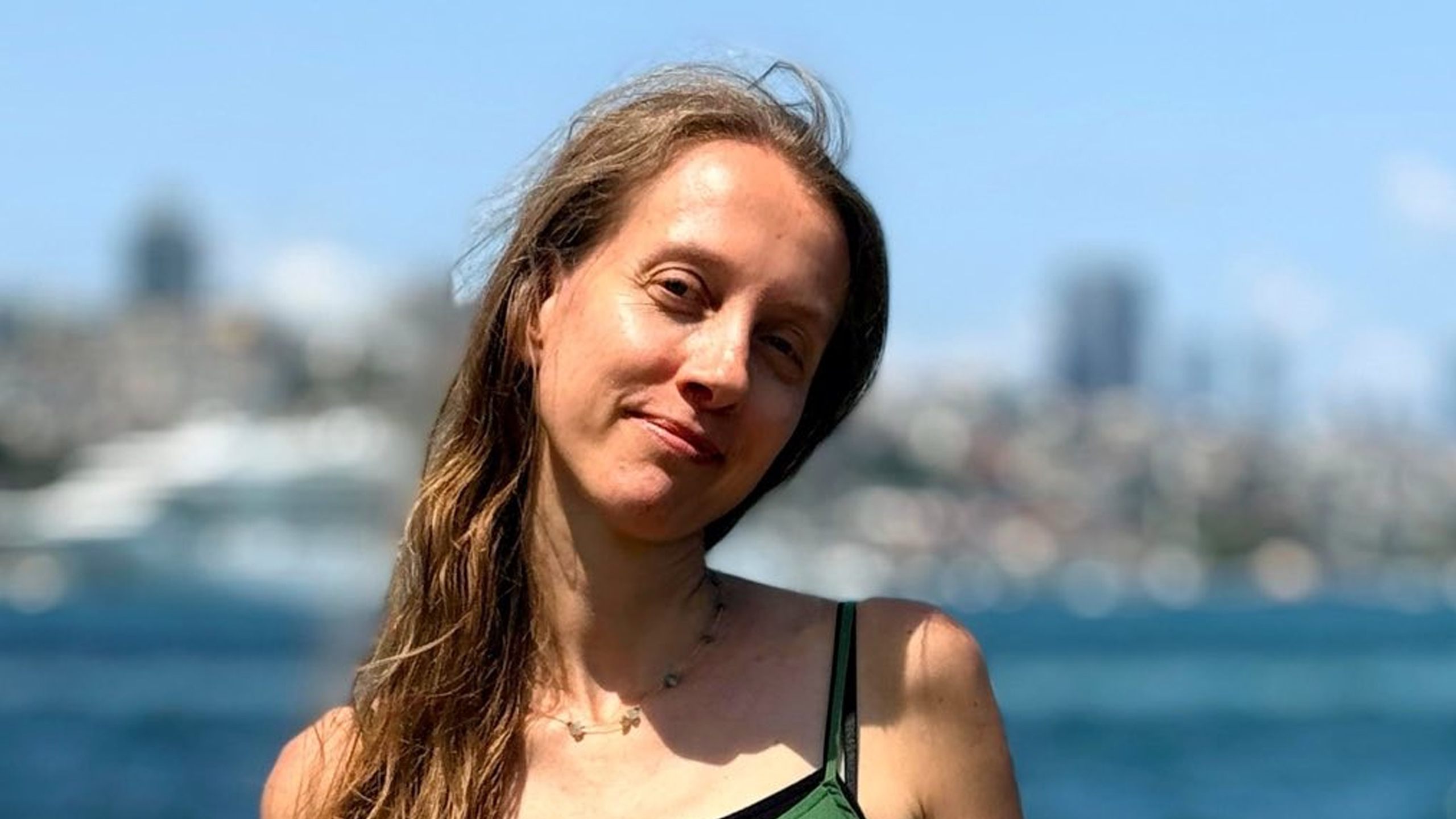
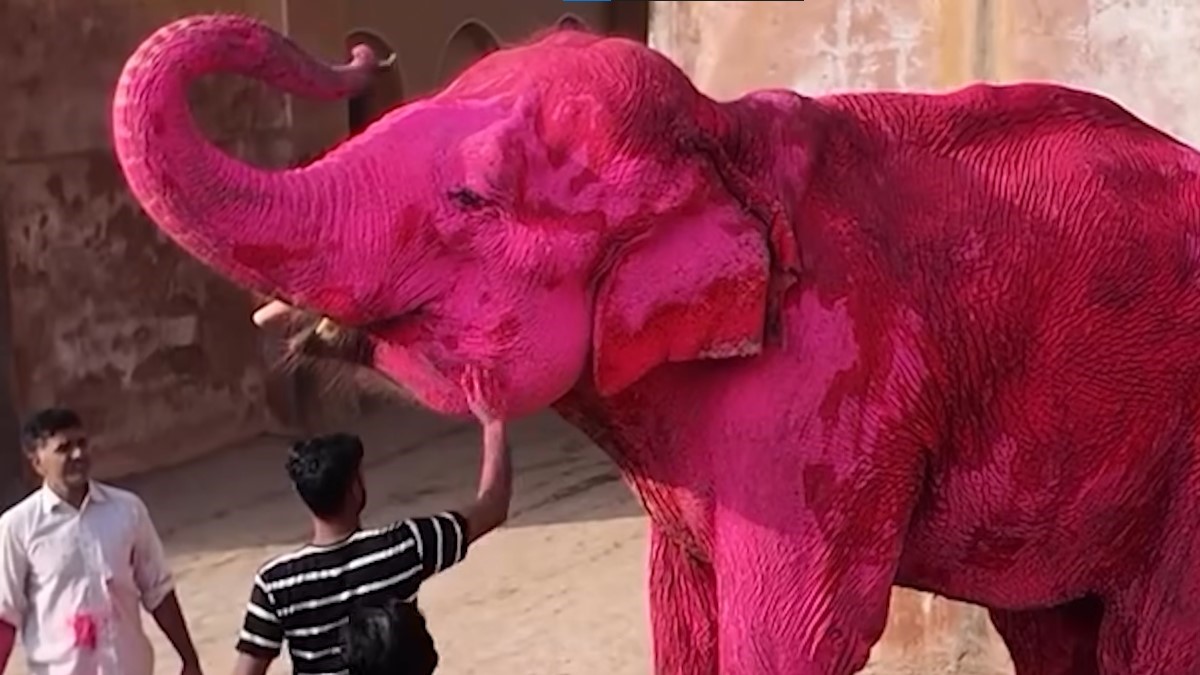
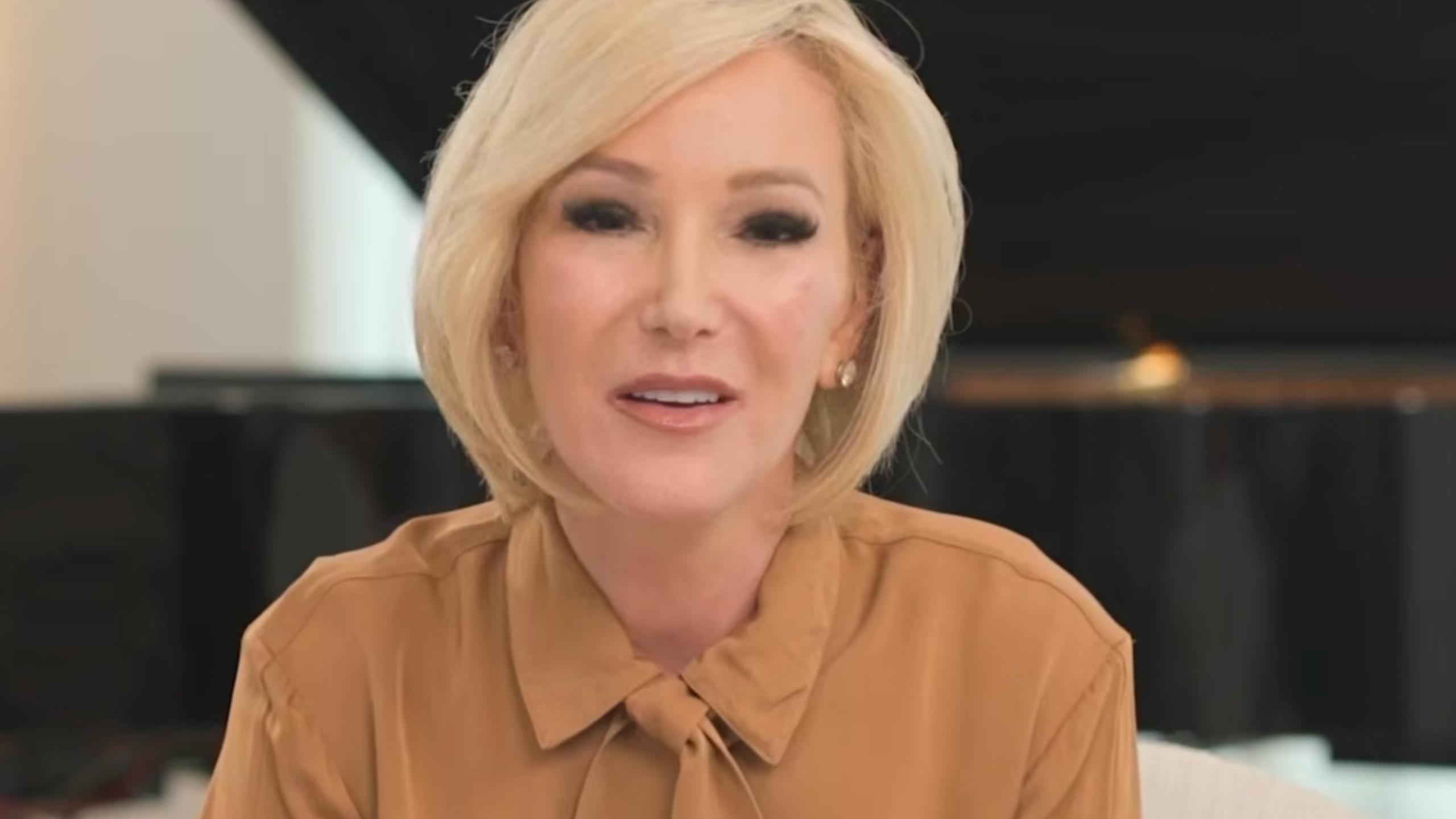
The death of a 65-year-old elephant in Jaipur has ignited a nationwide backlash, with thousands demanding legal action against artist Julia Buruleva. Public anger surged across India following reports that the elephant, named Chanchal, died just two months after being used in a photoshoot involving body paint, an incident that had already drawn criticism at the time.The controversy centres on Russian artist Julia Buruleva, whose work at a temple site in Jaipur involved painting directly onto the elephant's skin. The animal's death has shifted public sentiment sharply, fuelling calls for an official investigation and potential prosecution, though no official body has confirmed a causal link between the photoshoot and Chanchal's death.
Outrage Rekindled After Chanchal's DeathThe renewed backlash stems from claims circulating online, particularly in a widely shared post on X, which alleged a direct link between the photoshoot and the elephant's death. According to the post, Chanchal died on 26 February, prompting an emotional response from animal welfare advocates and the general public.In the viral post, a critic stated: 'This 65-year-old elephant named Chanchal is no more (Feb 26). This gentle soul died after this photoshoot, said owner, Shadik Khan.' The post further urged authorities to take action, adding that 'legal action should be taken against Russian photographer Julia Buruleva, no matter what excuse is given.'
Growing Calls for Arrest and Accountability
As the story gained traction, hashtags calling for justice began trending across Indian social media platforms. Many users expressed anger not only at Buruleva but also at the broader practice of using animals in staged artistic productions. Critics argue the incident highlights systemic issues in how captive elephants are treated in tourist-heavy regions such as Jaipur, and many have called for stricter enforcement of existing animal welfare laws.Authorities have acknowledged the controversy, with reports indicating that the forest department has initiated a preliminary investigation into the circumstances surrounding the photoshoot and Chanchal's subsequent death. Officials have yet to confirm whether a direct causal link exists.Questions Over Animal Welfare Practices
julia.buruleva/Instagram
The case has reignited debate about the ethical implications of using animals in creative industries. Animal rights organisations have pointed out that elephants, particularly older ones such as Chanchal, are sensitive creatures that can experience stress from unfamiliar environments and activities. It remains unclear whether the paint used during the photoshoot contributed to the elephant's health decline, though experts note that such practices can pose risks if not conducted under strict veterinary supervision.Buruleva, who faced criticism during the original shoot, has not publicly responded to the latest allegations. Her representatives had not issued a statement at the time of publication.Viral Momentum and Public PressureSocial media played a significant role in amplifying the controversy. The original post, alongside numerous reposts and commentaries, turned the incident into a national talking point, with the emotional framing of Chanchal's death resonating widely among animal welfare advocates. For many, the issue has come to represent broader concerns about animal rights, tourism ethics, and regulatory oversight in India.
Awaiting Official FindingsDespite the intensity of public reaction, key questions remain unanswered. No confirmed medical report linking the photoshoot to Chanchal's death has been released, and officials have urged caution against drawing premature conclusions.The forest department's preliminary investigation is ongoing, and its findings will determine whether the public demands for legal action have an evidentiary basis on which to proceed.