Gold Suffers Worst Drop in 17 Years Despite War Fears—Here's the Twist Investors Missed
Gold's sharp sell-off amid escalating tensions in the Middle East has left markets scrambling for answers. Traditionally viewed as a safe-haven asset, bullion would be expected to rally during geopolitical crises. Yet, in the wake of the Iran conflict, the opposite has happened, with gold shedding more than 20% since hitting a record high of $5,594.82 an ounce on 29 January, marking one of its worst monthly performances in over a decade.Safe Haven? Not This TimeHistorically, gold thrives during periods of uncertainty. Wars, financial crises, and geopolitical shocks tend to drive investors toward gold as a store of value. That initial pattern did appear briefly, with prices spiking at the onset of hostilities.But that momentum quickly faded.According to market analysts, gold has instead faced sustained selling pressure as investors prioritised liquidity over safety. As one analysis noted, 'Gold has been under pressure since the Iran war began, as investors tapped the haven asset for liquidity amid a sharp global equities.' In other words, rather than holding gold, investors have been selling it to raise cash amid broader market stress.This reversal underscores a key shift: in times of sudden shocks, liquidity can outweigh traditional safe-haven demand.
The Real Driver: Interest Rates And The DollarThe more decisive force behind gold's decline lies in macroeconomics, specifically, interest rates and the strength of the US dollar.The Iran conflict has triggered a surge in oil prices, fuelling global inflation fears. That, in turn, has forced markets to rethink expectations around central bank policy. Instead of anticipating rate cuts, investors are now bracing for higher or prolonged interest rates.This matters because gold yields nothing.As analysts point out, gold's 'zero-yield status poses a challenge when interest rates are rising.' When bond yields increase, investors are incentivised to shift into interest-bearing assets, making gold comparatively less attractive.At the same time, the US dollar has strengthened, emerging as the preferred safe-haven asset in this cycle. A stronger dollar makes gold more expensive for international buyers, further dampening demand. As one report explains, 'the US dollar is strengthening, making precious metals far less attractive.'Oil Shock And Inflation Fears
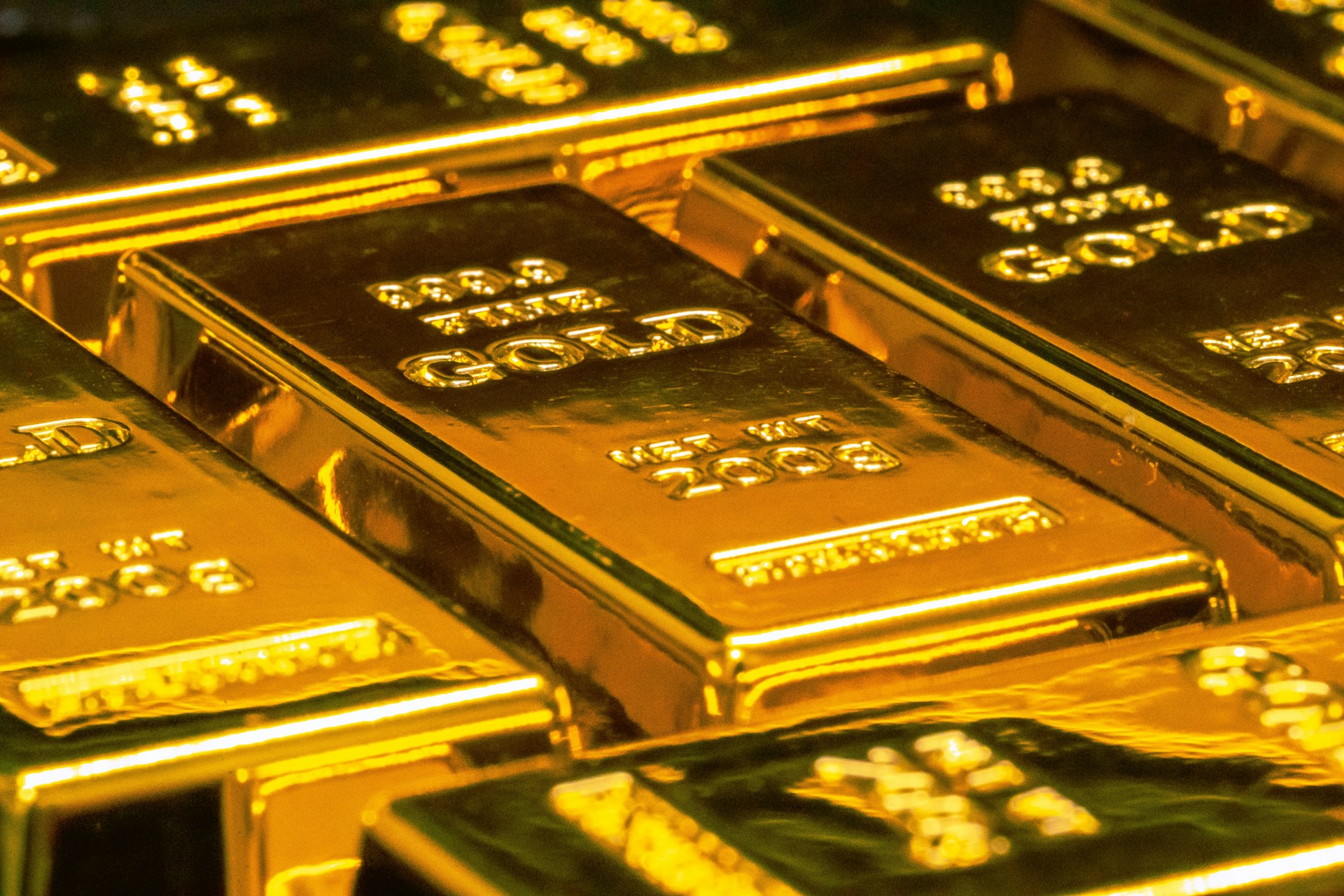
Maria Lupan/Unsplash
The geopolitical backdrop has also created a powerful secondary effect: an energy-driven inflation shock.With oil prices surging above $100 per barrel amid disruptions linked to the Iran conflict, markets are increasingly concerned about the risk of stagflation.This has reinforced expectations that central banks, particularly the US Federal Reserve, will keep monetary policy tight. As a result, hopes of a rate cut have evaporated, removing a key pillar that previously supported gold's rally.In short, the same war that should have boosted gold is instead pushing the economic conditions that undermine it.A Crowded Trade UnwindsAnother overlooked factor is positioning. Gold had already enjoyed a strong rally prior to the conflict, with many investors heavily exposed to the metal. When the war triggered broader market volatility, those positions became vulnerable.Fund managers, facing losses elsewhere, began liquidating profitable holdings, including gold, to rebalance portfolios and meet margin calls. This phenomenon, often described as 'de-risking', can lead to indiscriminate selling even of assets that should, in theory, benefit from the crisis.The result? A sharp and self-reinforcing decline.The Bigger PictureDespite the recent decline, analysts caution against interpreting it as a long-term collapse in gold's appeal.Instead, the current downturn reflects a complex interplay of short-term forces: liquidity demand, rising yields, a stronger dollar, and shifting rate expectations. As one analysis notes, macro factors are 'dominating short-term price dynamics' over geopolitics.In other words, the market is not ignoring the war; it is reacting to its economic consequences.That distinction is crucial.What Happens Next?Looking ahead, gold's trajectory will largely depend on how these macro forces evolve. If inflation stabilises and interest rate pressures ease, the metal could regain its footing. Conversely, prolonged high yields and dollar strength may continue to weigh on prices.For now, the key takeaway is clear: the rules have not changed, only the timing has.Gold still acts as a hedge in uncertain times. But in the early stages of a shock, when liquidity is king and rates are rising, even the ultimate safe haven can fall. And that's the twist investors missed.