Mistakes new homeowners always make – and how to avoid them
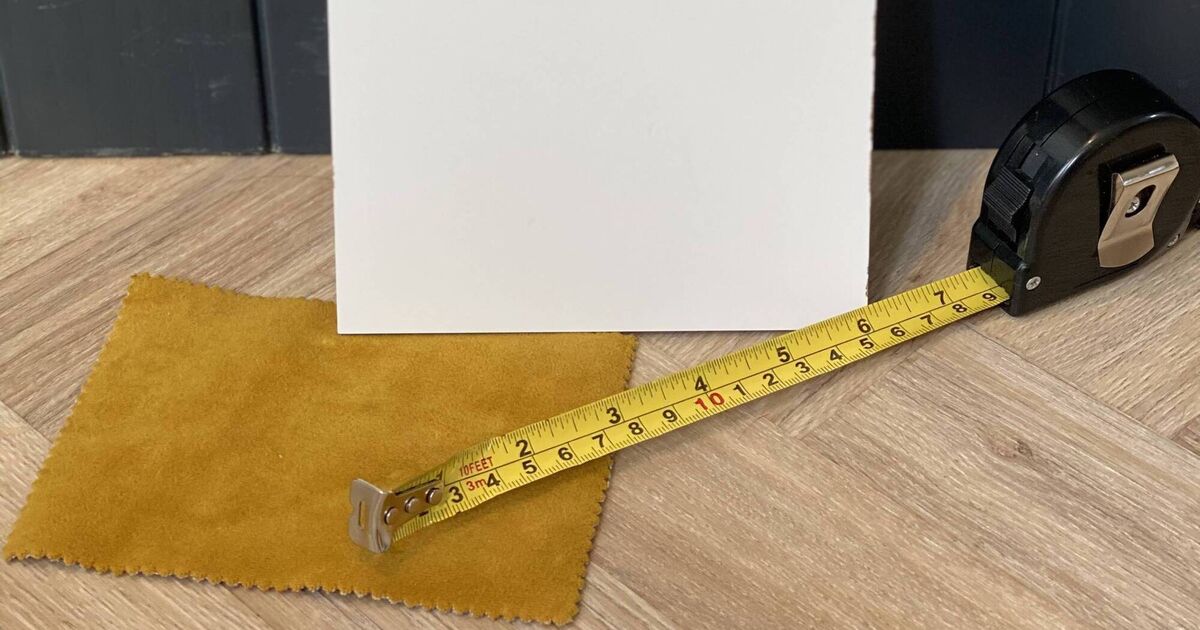
Getting the keys to a new home is one of life's great thrills. Unfortunately, it is also, for many of us, the beginning of a series of entirely avoidable and occasionally expensive mistakes. Here's how to sidestep the most common ones.The excitement of a new home is intoxicating, and the urge to fill it immediately is completely understandable. Resist it. Until you have lived in a space – even for just a few weeks – you don't really know how it works and how you will use it. Move in with the basics, live in it for a bit, and let the rest follow.Not measuring everything, three times I would personally hand-deliver a measuring tape to every new homeowner in Ireland if it meant they’d actually use it. The number of people who arrive home with a chair, a side table, or even a wardrobe that simply will not fit is staggering. Measure everything three times. Note measurements on your phone. Bring a measuring tape with you every single time you go shopping for furniture or fittings. Don't forget to account for skirting boards, architraves, and boxed-in pipes.Hanging curtains too low This one is so easy to get wrong, but luckily also easy to fix. Curtains hung just above the window frame make your windows look smaller. Instead, mount your curtain pole as close to the ceiling as possible, ensure the curtain pole is wider than the window, and let the curtains fall all the way to the floor.Hang curtains higher and wider than your windows and make them floor length: the bedroom of Home of the Year 2021 winner Jen Sheahan's home in Rathmines. Picture: Moya NolanCheaping out on the basics I get it, it’s painful to spend loads of money on your home and see no visible improvements, but you should always prioritise foundational elements of your home first. Spend money on good windows and doors, insulation, flooring, a modern heating system, and reliable plumbing. If you need to pull back on your budget, identify areas where you can buy affordable items now and upgrade later, such as swapping out furniture or upgrading your countertops.Designing for form over function Making your home look beautiful is exciting but making it work for your lifestyle is the real flex. Colours and fabrics are all important, but what must come first is to plan how you will use the space. Walk through your typical day in detail and plan your home layout. Consider how you use your kitchen – do you need easy access to heavy pots and pans, storage for baking paraphernalia? Do you like to lie out on the couch in the evenings or do you prefer to sit around chatting in armchairs? Where do you need plugs, and where should the light switches go so that you don’t end up tripping over a coffee table on your way to bed at night? Designing for how you use the space first will make life in your home infinitely more enjoyable. Once that is done, you can focus on the visual design.Design for your how you use the space first, decorate later: the patio area outside Jen Sheahan's home in Rathmines. Picture: Moya NolanBuying matching sets A sofa, coffee table, TV unit, and side tables all from the same range might feel like a safe and cohesive choice. In practice it tends to look flat and dated, like a showroom rather than a home. Mix pieces from different sources instead. My favourite advice that I’ve repeated often comes from Kate Watson-Smyth; choose “something new, something old, something black, and something gold” (black meaning dark for contrast, and gold meaning metallic for accents). The combination of old and new is what gives a room character.Not thinking about lighting A single overhead light, or a row of ceiling spotlights, is one of the fastest ways to make an otherwise beautiful room feel harsh and flat. Ideally, plan your lighting in three layers: ambient light for general illumination, task lighting for specific functions like reading or cooking, and accent lighting – e.g. lamps and picture lights - for atmosphere.Shelf uplighting provides accent lighting over the dining table in Jen Sheahan 's home in Rathmines. Picture: Moya NolanInstall dimmer switches everywhere you possibly can. Choose warm-toned bulbs (around 2700 Kelvins). And think carefully about where your switches are placed so you are not crossing a dark room to go to bed after turning the lights out.Wall lighting in particular is underused and underrated. It is flattering, atmospheric, and it stops your living room from feeling like an interrogation room.One more thing: bring a bag of samples Whatever stage of decorating you're at, always carry a bag containing samples of everything you've already chosen – paint colours, fabric swatches, a tile, a plank of flooring, and a measuring tape. When you're out shopping and something catches your eye, hold it against your samples to see if it works with your palette before you fall in love with it. This will prevent purchase regrets!