Reasons for home buyers to be cheerful, but supply is still far short of demand
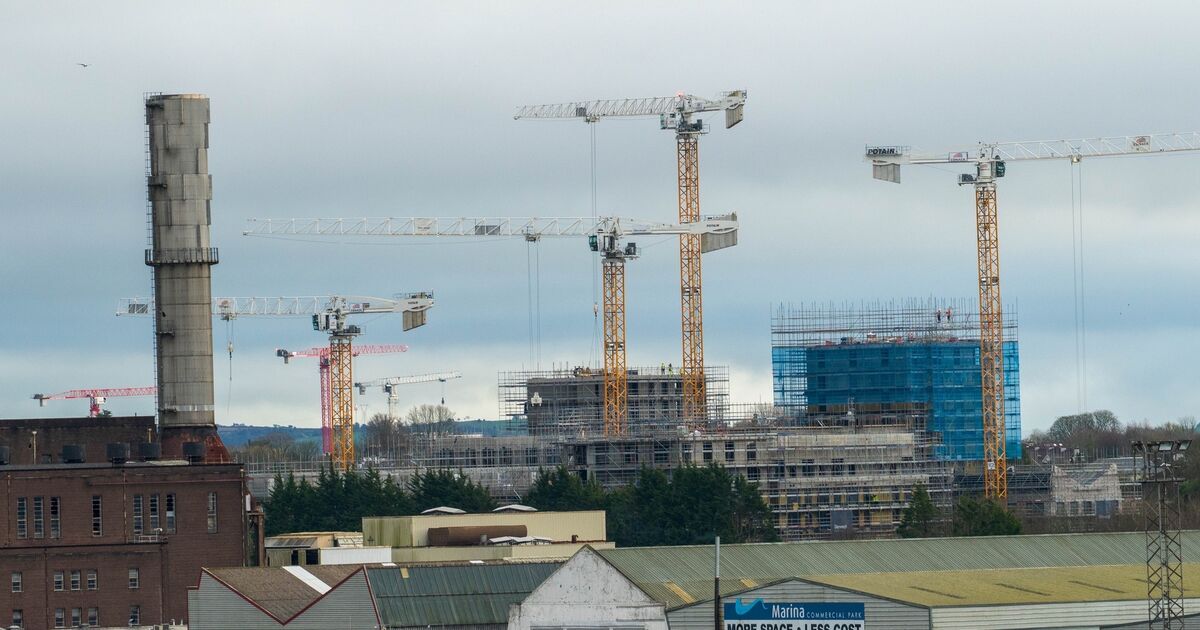
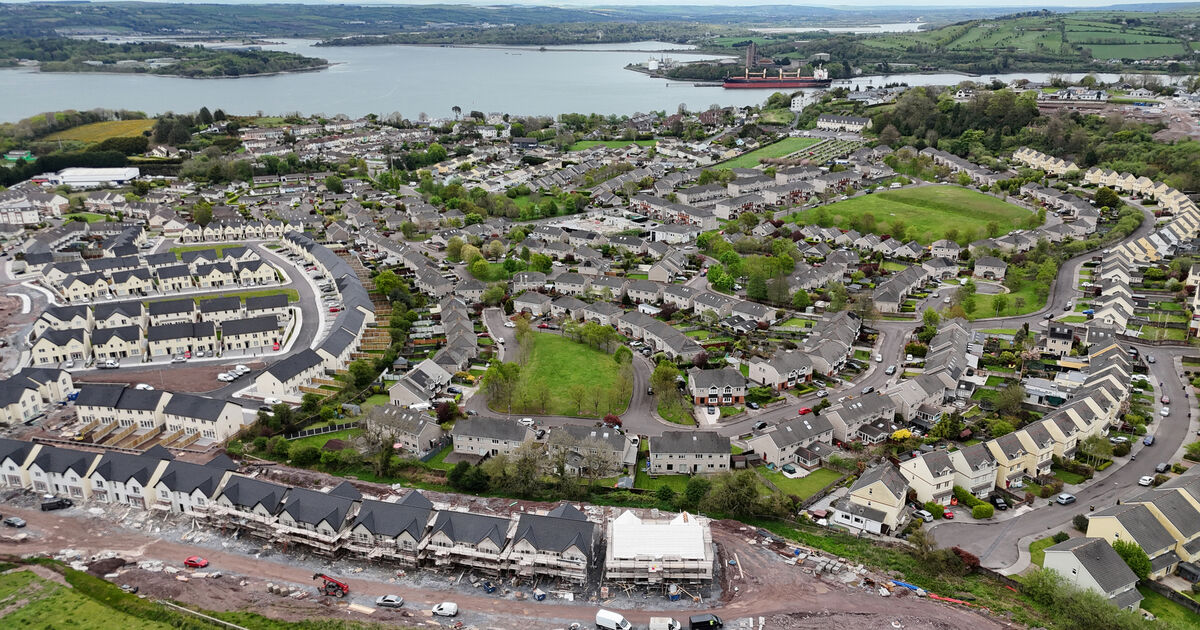
The slow-moving ship or vessel that is Ireland’s housing delivery is turning around, getting its bearings at an increased speed, and with clearer than ever course directions and end destinations mapped out – many of which depend on how choppy the international waters we have to navigate turn between now and the end of this decade.Driving the ship of state and Programme for Government since the start of 2025, housing and infrastructure delivery was put as a top national priority: along with the current cost of living crisis and economic storm clouds abroad, it still is a critical care issue, with both stressed areas even interlinked at many junctures.The target of 300,000 new homes by 2030, just five short years away, is repeatedly bandied about; this figure is mentioned about as regularly as the number of times it is disparaged by political opponents, by commentators and by desperate home hunters as a target that’s going to be missed by a country mile.But, after previous administrations promising that housing was a priority, if not a national emergency, and the launching of four or five housing plans over a decade (Rebuilding Ireland, Housing for All, etc) all failed to deliver, this time, might it be actually be different?The only certainty is that change and delivery are slow and targets will be missed; the law of unintended consequences will also come into play, as will international variables and possible torpedoes from the other side of the Atlantic to a current financially-buoyant Ireland. At the Longview Estates housing development in Ballyvolane, Cork: Neil Kerrigan of Enterprise Ireland, John Crean of Longview Estates, An Taoiseach Micheál Martin and Patrick Crowley, CEO of CField Construction. The 700 new homes — a mix of private and social housing — are being made using advanced offsite manufacturing and factory-style on-site processes. Picture: Darragh Kane One simple example was the April announcement of a Housing Activation Office and the plan to appoint a chief fixer ‘Housing Czar’. After controversy about the salary of c.€430k likely to go the earmarked candidate, the departing NAMA head Brendan McDonagh, the role got watered down and put under the aegis of the Department of Housing, with a senior civil servant (Gareth Doocey) appointed as deputy secretary general of the Housing Activation Office appointed last month – some ten months after the role was announced.Most fair commentary right now accepts that the output of new builds is on an upward trajectory: it hit 36,000 last year, from 30,000 in 2024, but needs to go to 50,000, or even 60,000 per annum to get to the goal of 300,000 ‘units’ by 2030.Despite competing demands on the labour force and construction sector (tens of thousands of bodies are needed for retrofits too, and for infrastructure projects) output on this scale could be doable/approachable in the latter 2020s; after all, we produced 93,000 new homes in 2005, before the figure slumped to a paltry 4,575 in the nadir of 2013.As a cautionary note, the Ibec-related Property Industry Ireland (PII) in February published a skills report saying the Irish construction sector – which employs over 175,000 workers – will need to add between 95,000 and 110,000 additional roles by 2030 and said that equates to adding 25,000 new workers pa for housing and infrastructure pipeline needs.The construction sector had c.225,000 workers around the 2005/2007 peak, plummeting after the 2008 financial crash with an exodus of builders along with the loss of their skills; if numbers go back up and skills return, where will they live?This month’s latest CSO figures of house prices show 7% annual national price inflation to January 2026, while the macro picture also shows a rise in the number of housing starts, and planning permissions granted, after a dip in 2025.Along with this progress, apartment construction viability has been enhanced, via initiatives like VAT changes to design spec compromises to cut costs, and supports such as Croi Conaithe and Project Tosaigh schemes.Noting the demographic bulge, with Ireland’s population rising to 5.85 million within the past year, the country’s largest seller of new homes, Sherry FitzGerald, has produced a graph mapping supply versus demand in 2025. Artist-created CGI images of phase two of the Glenbride housing scheme in Cork, a milestone development for Cork City Council’s affordable housing delivery. It reckoned that 64.6% of annual demand was fulfilled across Ireland last year, up from 53.6% in 2024. The 2025 rise was led by Dublin with a surprising 84% of demand met, while the south-west was lower, at 62%, with the west trailing, at just 45% (based on Sherry FitzGerald research estimates at 56,200 units per annum).On the back of major programmes like the National Development Plan review (April 2025), the double-edged rental reforms announced in June, some €113bn promised for infrastructure in the July NDA revisions, accelerated infrastructure action plan in December as well as the October Budget housing focus and November’s Delivering Homes: Building Communities … phew there’s a lot going on in the background and in the foreground too.The latter, Delivering Homes: Building Communities, committed to holding/extending the Help-to-Buy and First Home Schemes for the duration of the plan to 2030, providing certainty to both to buyers and to builders/developers.As well as expanding the role of the Land Development Agency (LDA), the State’s 300,000 new homes target includes 72,000 social homes and 90,000 affordable housing units.In its end-2025 ‘Irish Housing Policy A Year in Review’, Sherry FitzGerald acknowledged: “Since the Government took the reins in early 2025, it has been clear that housing and infrastructure have been the key focus, with a host of policy and legislative changes announced over the course of the year. At this point in time, there is much reason for optimism regarding a meaningful increase in housing output over the medium-term.“While all of the actions outlined above are indeed positive, it is very important to acknowledge that meaningful increases in housing supply will take time, and that in particular, the Government’s target to deliver 300,000 homes in its tenure will be incredibly difficult to achieve,” the review acknowledges.“The implementation of policies announced in 2025 will switch the focus to housing delivery, and key output and pipeline indicators will be closely monitored and evaluated in 2026 and beyond. That said, there is more reason to be hopeful about the delivery of new homes of all tenures to all parts of the country now than there has been at any point in much of the last decade,” the estate agency’s commentary concluded.