Rimac appoints Nurdin Pitarević as CEO, succeeding Mate Rimac
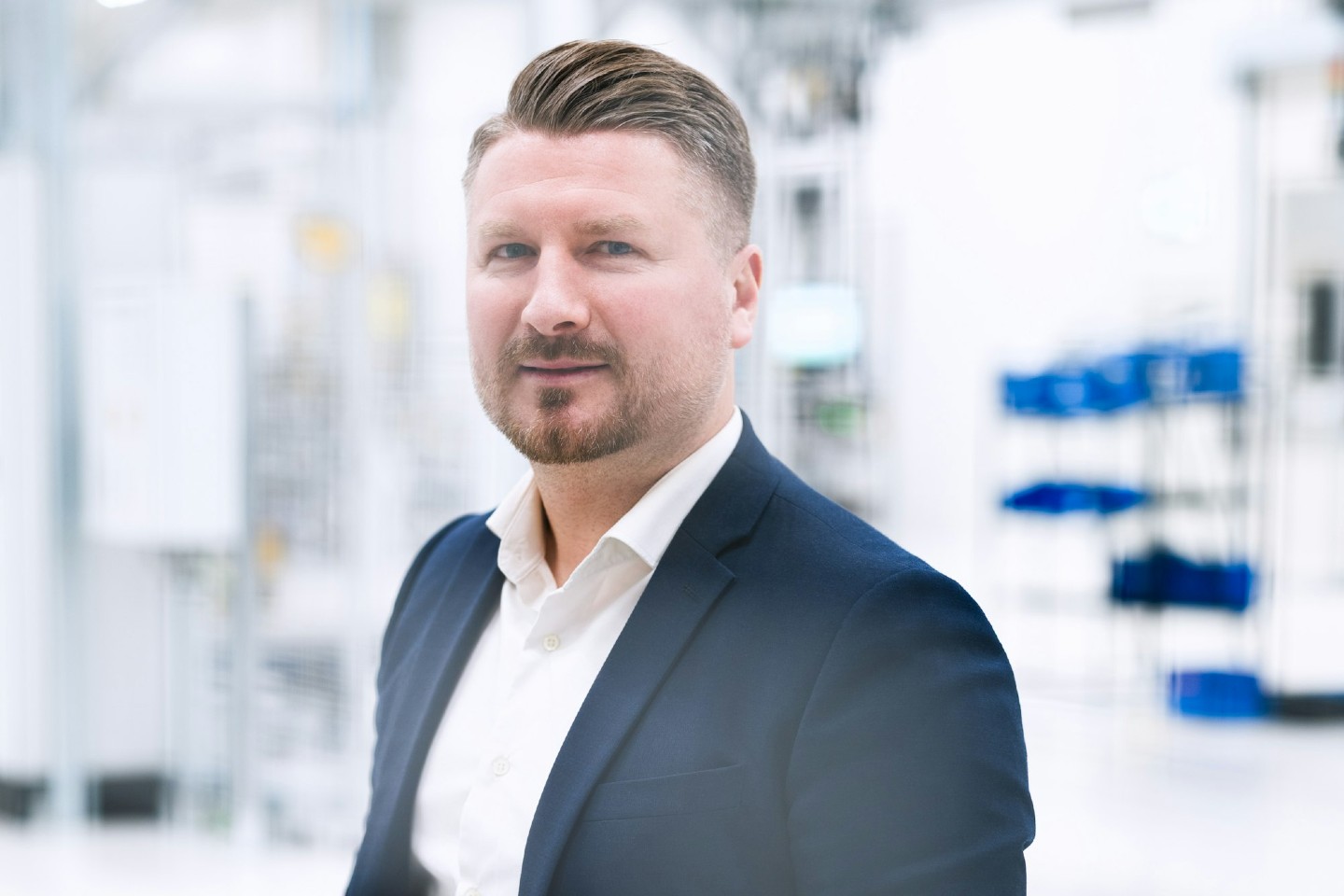
With Nurdin Pitarević (pictured), Rimac is opting for an internal solution. The current Chief Operating Officer will move up to the CEO role, while his former deputy, Marko Brkljačić, takes over as COO. This “leadership transition follows a record year with tens of thousands of battery and powertrain systems delivered to global OEMs with outstanding field performance,” the Croatian company said.However, the company did not specify why founder Mate Rimac is stepping down from his position as CEO. Rimac emphasised in its announcement that Mate Rimac will remain Group President and CEO of Bugatti Rimac.“Nurdin has proven himself as an exceptional leader during his time as COO and as my deputy in leading Rimac Technology,” said Mate Rimac, Founder of Rimac Technology and President of Rimac Group. “He combines deep operational expertise with clear strategic thinking and a strong sense for people and culture. I have full trust in Nurdin to lead Rimac Technology through its next phase of growth and to continue building a world-class Tier 1 organisation.”Nurdin Pitarević joined Rimac Technology from one of Europe’s largest Tier 1 suppliers and has since guided the company through a phase of rapid industrialisation, organisational maturation, and operational scaling, according to the statement. Under his leadership, Rimac reports that it has ‘successfully transitioned multiple programs into series-production, delivering thousands of systems globally.’“Stepping into the CEO role means moving beyond operational delivery to shaping the long-term direction of the company,” the new CEO commented. “ur focus is on building a technology leader that scales responsibly – combining innovation, digitalisation, sustainability, strong organisational foundations, and sustainable profitability. With new programs entering series production and a strong pipeline ahead, this is the right moment to accelerate our trajectory.”As CEO, Pitarević will, among other responsibilities, oversee the implementation of Rimac’s strategic roadmap until 2030. This roadmap is ‘centred on advanced electrification technologies, AI-enabled and digitalised operations, sustainable industrial growth, and robust organisational and financial structures,’ as stated in the announcement. It also includes the collaborative development of next-generation battery technology with solid-state cells, as well as the further expansion of production capacities.Rimac Technology recently demonstrated its future direction at IAA Mobility 2025 in Munich: there, the company presented innovations in battery and powertrain technologies, some developed in collaboration with partners. These included advanced battery systems and e-axles, new control domains, and the aforementioned solid-state battery.rimac-newsroom.com