Berlin: BVG marks topping-out ceremony for electric bus depot in Marienfelde
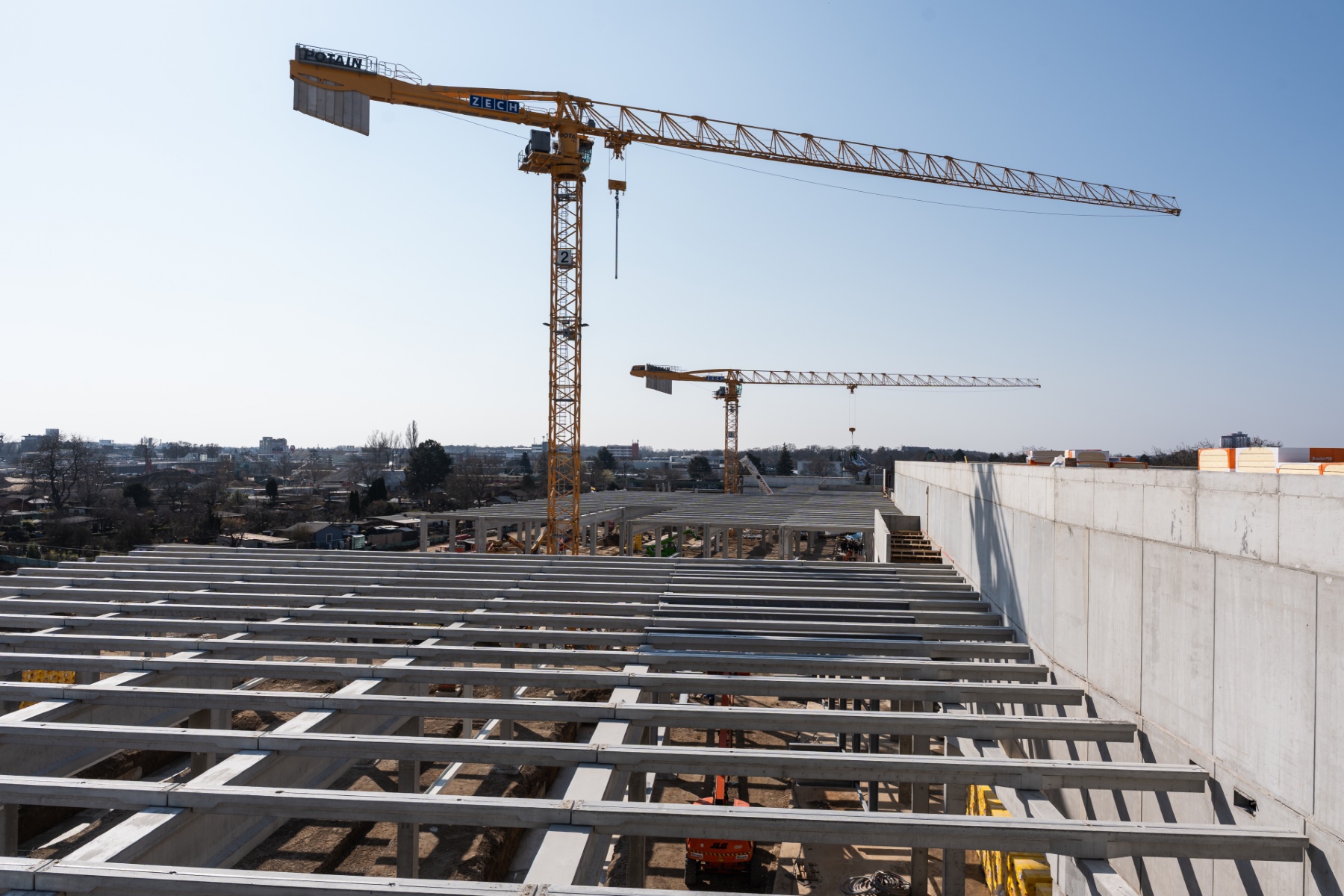
In the summer of 2025, Berliner Verkehrsbetriebe (BVG) began construction of a new battery-electric bus depot in Marienfelde on a site covering approximately 6.6 hectares. The facility is designed exclusively for the operation of battery-electric buses, with plans to station 220 electric buses there. Completion is scheduled for next year—coinciding with the commissioning of Berlin’s second new electric bus depot in Treptow. BVG celebrated the topping-out ceremonies for both major projects within just three months of each other, as stated in a press release shared with us via email.With these two new depots, BVG is creating the necessary capacity for the south and southeast of the city. Together, the sites will provide space for around 440 battery-electric vehicles—nearly a third of the future electric bus fleet. At Säntisstraße in Marienfelde, the administration building and service hall are already structurally complete. Around 180 employees will soon ensure stable and emission-free bus operations at this location.The depot will feature a total of 209 pantograph charging points with a capacity of up to 150 kW—these are designated for overnight charging of the electric buses. As shown in a rendering and an animated video on LinkedIn, these will be mounted on frames in an open area to allow charging cables to be easily connected to the parked buses. Additionally, there will be nine ‘ultra-fast charging stations’ with up to 450 kW capacity for cases where a vehicle’s battery requires rapid recharging. Furthermore, ARGE BVG Säntis will construct a transfer station, twelve inverter stations, and nine charging masts. The depot will also support charging for double-decker buses.“Seven months ago, we were still standing in a construction pit, and today it already looks like a proper depot,” said Henrik Falk, CEO of BVG, at the topping-out ceremony. “This demonstrates how seriously we are taking the transition to e-mobility. Thanks to excellent collaboration with the two construction firms, we are right on schedule, and operations will commence here next year. The necessary vehicles are already on their way. We are laying an important foundation for the stability of the bus system and setting clear expectations for all future projects.”
As with the new depot in Treptow, the Marienfelde site will also utilise a specialised depot management system. This automated system optimises vehicle deployment, parking, charging processes, and service intervals.Importantly, in parallel with the construction of the two new depots, BVG is also expanding the city-wide bus charging infrastructure—primarily through pantograph charging stations at up to 20 terminal stops.The concept is simple: buses can charge during regular service and do not need to return to the depot for recharging. While most routes can operate daily without intermediate charging—since the number of battery packs (and thus the range) is typically matched to the planned deployment—charging stations at terminal stops can provide additional power during layovers if the battery level is lower than expected. For some particularly long routes, charging breaks are planned from the outset and can now take place along the route.BVG’s fleet electrification is progressing in parallel: currently, around 280 of the approximately 1,500 buses in BVG’s fleet are fully electric. A further 270 articulated battery-electric buses have been ordered, with the first 70 expected to be delivered by summer 2026. As an interim milestone, the operator aims to have around 500 electric buses in service by 2027.However, BVG has softened its original goal of full electrification by 2030: for some time now, the target has been referred to as ‘the 2030s,’ and HVO fuel is set to be used as a transitional solution. BVG CEO Falk specifically expects battery-electric buses to account for 80 to 90 per cent of Berlin’s mobility system by 2035, with HVO100 fuel derived from waste and residual materials serving as an option for the remaining 10 to 20 per cent.This marks a shift away from BVG’s earlier, more ambitious targets. A similar relaxation of electric bus targets—at least in terms of timing—occurred in Hamburg last year.Source: Information via email