Ed Miliband is all-powerful
1. Keir Starmer is listening to his MPs in rural seats
No 10 has been jittery for weeks about even the slightest hint of rebellion or discontent from Labour MPs. Today’s announcement on support for households that use heating oil is an example of Labour MPs’ increasing power in policy making. The “Rural PLP” – a grouping of 120 or so Labour MPs with fully or partly rural constituencies (80 or so are fully rural, a further 40 are seen as “edge cases”) – has been lobbying No 10, the Treasury and whips for support for constituents who use heating oil since the start of last week. Their fast action is a sign of a No 10 increasingly willing to react to Labour MPs’ demands – for better and for worse.
2. Ed Miliband is all-powerful
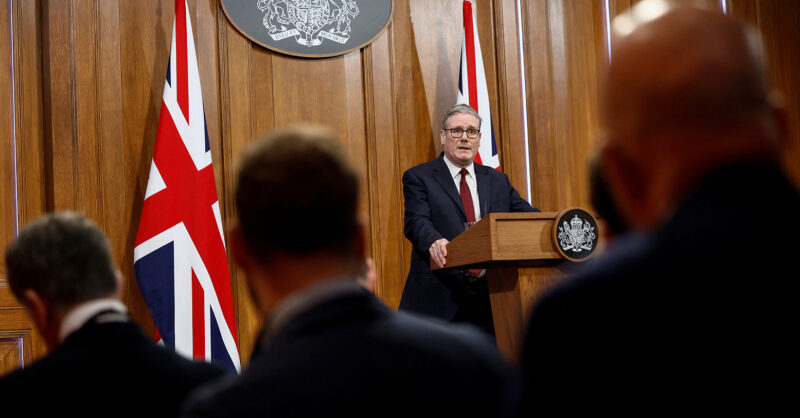
Starmer’s five-point plan to address the cost of living crisis was full Milibandism, including his reluctance to be drawn further into the conflict in the Middle East. Under pressure from other parties to reopen the question of drilling in the North Sea, the Prime Minister instead doubled down on clean energy and the “long-term plan to build Britain’s energy security and independence”, stressing: “We wont slow down on this. We will go faster.”
3. Starmer wants political credit for his approach to Iran
The Prime Minister returned to the original question of his handling of the US-Israeli intervention in Iran and defended it more forcefully than ever. “Whether to commit British troops to military action is the most serious responsibility of any Prime Minister… I have been attacked… but at every stage, I have stood by my principles,” he said. Following Trump into an illegal war with no plan would not have been leading, he said, but following. We know voters are largely on his side on that question, but the initial press coverage was less sympathetic. Starmer took that on head-on and is seeking to bank some political credit for his approach.
4. The approach on the Strait of Hormuz still isn’t settled
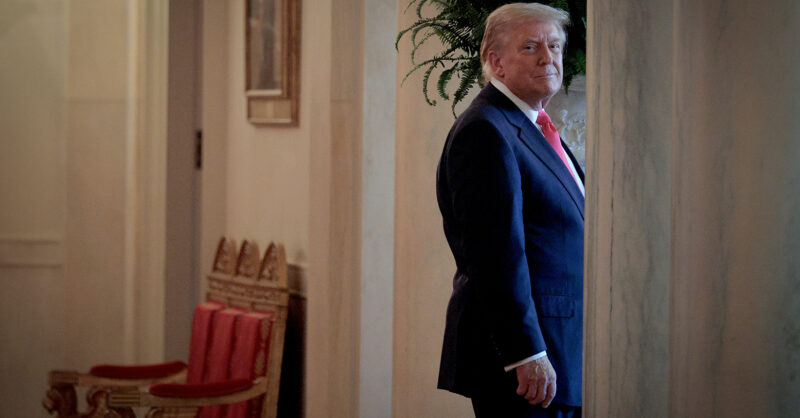
Donald Trump’s call for allies to send ships to Strait of Hormuz to protect commercial shipping vessels and unblock global oil supplies has been met with a muted response so far. Starmer said the UK is working with “all allies” – including European allies – on a “viable collective plan” to restore navigation as quickly as possible, easing economic impacts. That didn’t make it clear whether Britain will end up sending resources to the Strait of Hormuz or not.
Subscribe to the New Statesman today and save 75%
5. We still don’t know what will happen to energy bills beyond June
Starmer reiterated that the energy price cap will be frozen until June, but there is still an unanswered question as to what happens to energy bills after that point, with voters worried sick about their costs soaring. It was fatally expensive for the Truss premiership to offer universal support after the energy price shocks caused by the war in Ukraine. It seems unlikely Labour will be able to offer something on that scale, but having made the cost of living their top priority, they are under pressure to offer something significant. That work is still underway.
[Further reading: Donald Trump’s war is driving me mad]
Content from our partners
Related