Step back in time in Victorian living space
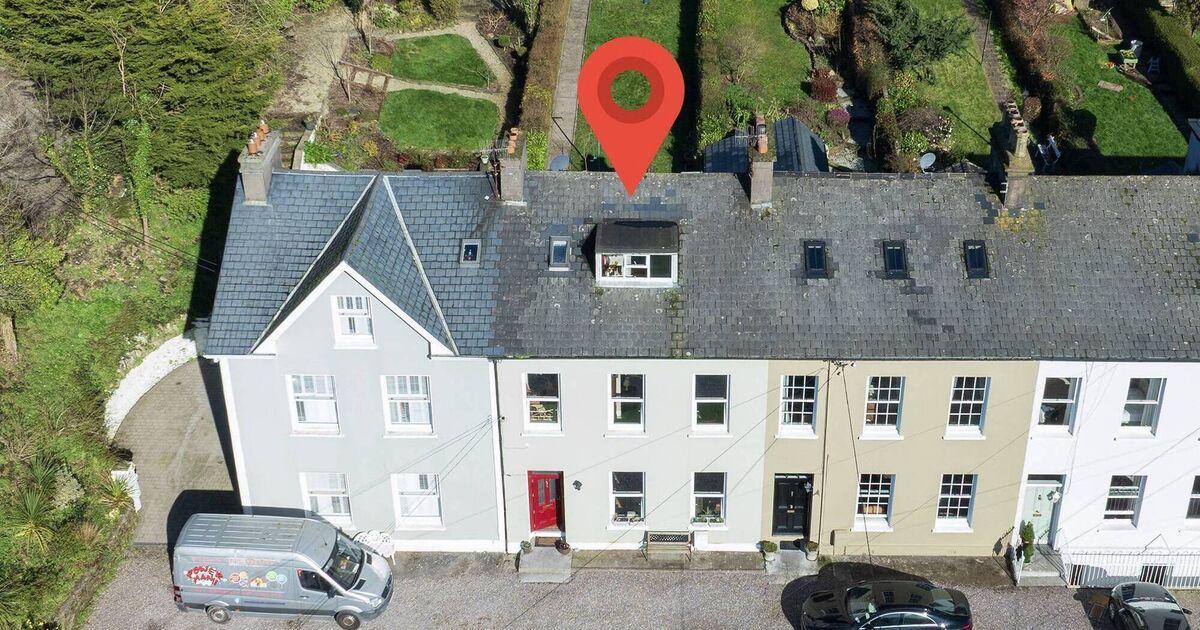
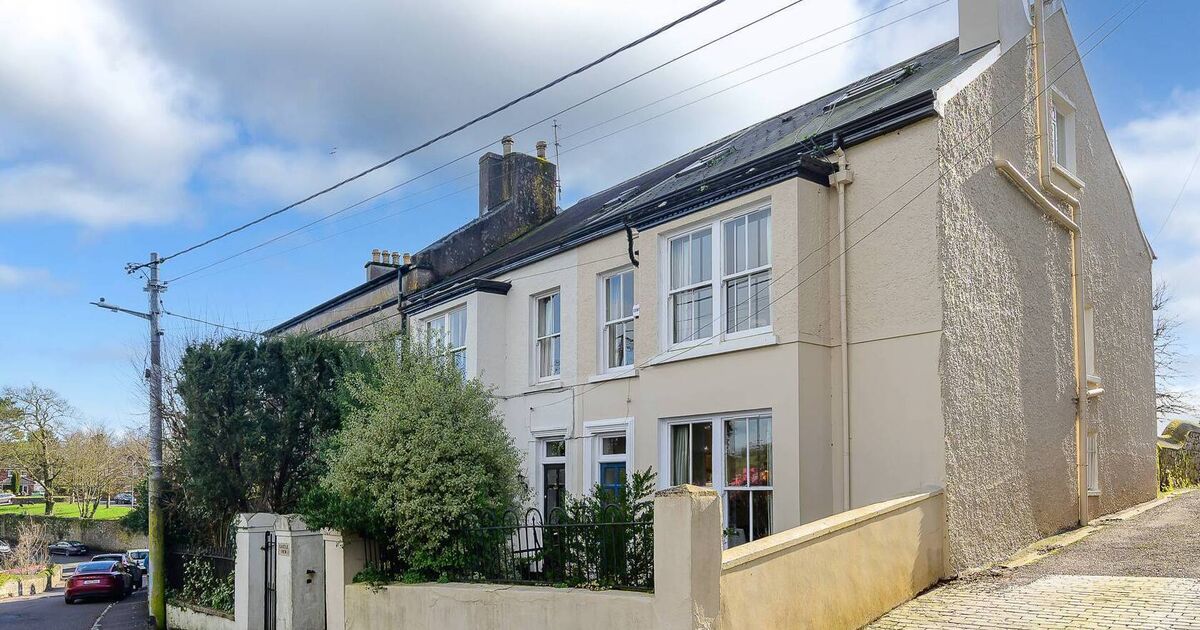
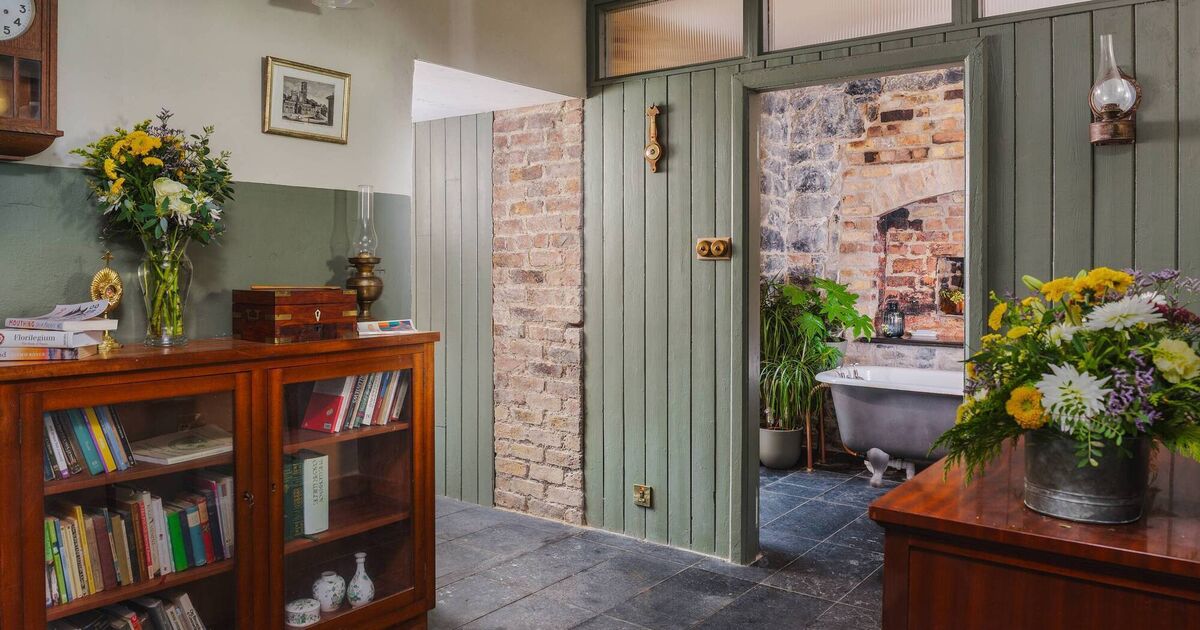
WHEN Kilkenny man Sean Hickey met Hugh Wallace, their rapport was immediate.It wasn’t just that both shared a passion for place, people, and community, says Sean. The young teacher had “felt a bit unnerved” before their first encounter for filming The Great House Revival, not knowing what to expect, he tells Home: “I’m not a big television person, and I don’t have a great grá for big stars — but I did always have a liking and admiration for Hugh. And when I met him in person, I felt a connection.“I just found him very charismatic, humble and genuine in his approach to everything.Hugh Wallace and homeowner Sean Hickey.“Hugh put me at ease, and I would even say we became friends. For me, he was a great influence. I admired him.“He would take every day in his stride, and he was inspiring — he showed how you can show your best self and always be in good form and have a word for everyone.”The celebrity architect became a familiar sight in the marble city as he observed progress on Sean’s house. But he wasn’t “just an onlooker” when he arrived in Kilkenny, says the homeowner: “Hugh would call into all the shops, he’d buy meat from the local butchers — he became part of the story. He immersed himself in the project and in the story.“He understood the Irish community and what Irish people respect and want.”Sean’s pupils might have something similar to say about their múinteoir. After studying for the priesthood, town planning, and heritage, Sean now works as a primary school teacher and landscape gardener.He strives to bring his passion for their home place to his young charges.“I was an accidental teacher, I suppose — I went back after trying different things. I fell into it,” he says.“I try to understand where the children are coming from. I try to give them the best experience of school that they could ever expect.“My main principle in the classroom and school is that once they’re happy, they’re going to learn. I allow them to express themselves and recognise that they’re all different. That’s down to treating them as equals.”Sean also takes pains to pass on his love for community and history to his pupils: “We’re lucky in Kilkenny that we have a city that’s vibrant and with an understanding of who created the sense of place and community.“At the end of the day, they’re [the schoolchildren] going to the people in 10 or 20 years who will be creating that sense of community.”Last year, Wallace embarked on a journey to chart eight more restorations across Ireland — the first of which is Sean’s Kilkenny home, whose restoration viewers can see tomorrow on RTÉ One.The Kilkenny man worked two jobs to save for the Victorian terraced house. From Monday to Friday, he would be in the classroom, and at weekends and school holidays, he would be outside working in his other guise as a gardener.Diligent saving made his dream come true in December 2023, which is when he received the keys to his forever home, No 37 John St, at the age of 37.Sean’s house is just a few minutes’ walk from his parental home, where he had been living with his mum and dad, Maura and Canice.“It’s like stepping back in time,” says an approving Hugh when the architect visits the property.As for Sean, he confides he little imagined himself on the small screen.Before“It was unusual that I would sign up for something like that — between the build and television,” he says. “A friend of mine I work for told me I should email the programme. I said no way — I don’t have a television and I haven’t watched TV in about 20 years!”But somehow he typed and pressed send.“They signed me up, and I said, ‘Oh no! What have I got myself into?’” he says.“And I really enjoyed the process, and it added that little bit extra to the project. And everyone in Kilkenny rowed in behind me!”Sean’s home was far from turnkey condition when he made his purchase. The two-up, two-down residence had retained all its features, from the architraves to the shutters downstairs.Sean included an upcycled kitchen and knocked through part of the back room to create a larger bathroom, and also lowered a floor for a second bathroom. The only plumbing was in the bathroom and the kitchen sink.“I had been going to do the work incrementally, room by room, but with the grand, you have a 13-month window, so that gave me a spurt to get stuck in and get it done,” he says.He set about restoring and renovating the property on a budget of €100,000, with half of that coming from grants. Fortunately for him, the history buff is keen on repurposing.“I don’t like to throw anything out,” he says. “I was able to furnish my house for €2,000 using materials I salvaged, purchased at auction, or inherited from my grandparents. That meant I didn’t have to install a new kitchen or a new bathroom.”The shed behind his parents’ house has, in effect, become a salvage yard. From a clock rescued from his old primary school to old, reclaimed bricks from home demos, Sean had a plan for everything in this Aladdin’s cave, including 700 slates from a neighbourhood property.“There’s a story behind everything you’ll see in my house,” he says.Why buy a new kitchen when you don’t have to, is his logic: “If you think outside the box, everything is possible.”Sean’s kitchen table is an example: “It’s a pine farmhouse table which I got from the dump.”Luckily, he discovered he was eligible for the vacant property grant after he purchased it, which meant he was working with a budget of €100,000.“I was pushing my budget to the max,” he says. “Within that, I had to do a lot of work myself.”Thrift, a can-do spirit and his passion for salvage ensured Sean was in a position to realise his vision as much as possible, including investing in authentic sash windows.Against Hugh’s initial advice, Sean decided not to insulate — instead installing cast-iron radiators.“My thinking was because the limestone walls were two feet thick, heat could never escape, and vice versa, and the house wasn’t damp,” he says. “I didn’t want to create problems where there weren’t any. They sit so well in the house, they suit me fine, and I’ve been really happy with the decision.”Kilkenny limestone tiles lead to a central hallway. It’s all very economical with a “real sense of fun”, according to Hugh.Having bought No 37 for €220,000, Sean has carried out the work to date, in under a year, for €80,000. “I had to be shrewd,” he says. “With the bricks, the slates — I probably reduced my costs by €20,000 or €30,000 and more.Down the line, he plans to complete work on the roof and the extension, as well as the upstairs bathroom and rebuild the chimney: “I hope I will get the rest of it finished for €20,000.”This means the property will have cost him €320,000 overall. As an impressed Hugh notes on the episode: “If you look around at house prices in Kilkenny city, you wouldn’t get a house for €400,000.”The architect’s verdict? “What he’s done here is extraordinary,” Wallace says. “The respect he has for this home and its architectural heritage is exemplary, and now he’s moved into the community on John St in Kilkenny.“For me, that is so important that young people come back into our towns and cities and make them vibrant and liveable, and those communities grow again, and here they are, all these people are so excited to see Sean’s success. And most of them have been involved in one way or the other in the restoration of this home.”As a landscape gardener, Sean himself had “some experience” when it came to the labour side of the project.“I had previously worked on small-scale patios and walls — but I always enjoy trying new things, even doing stonemasonry work,” he says. “But there was a lot of labour and digging. I poured the floors myself. It meant it saved a huge amount of labour hours’ cost.“I also realise there are so many people without homes at the moment, and I do count myself very blessed to be able to afford it and to be able to put in the work.”The Great House Revival airs tomorrow at 9.30pm, on RTÉ One and RTÉ Player