India inflation quickens in February but stays within comfort zone
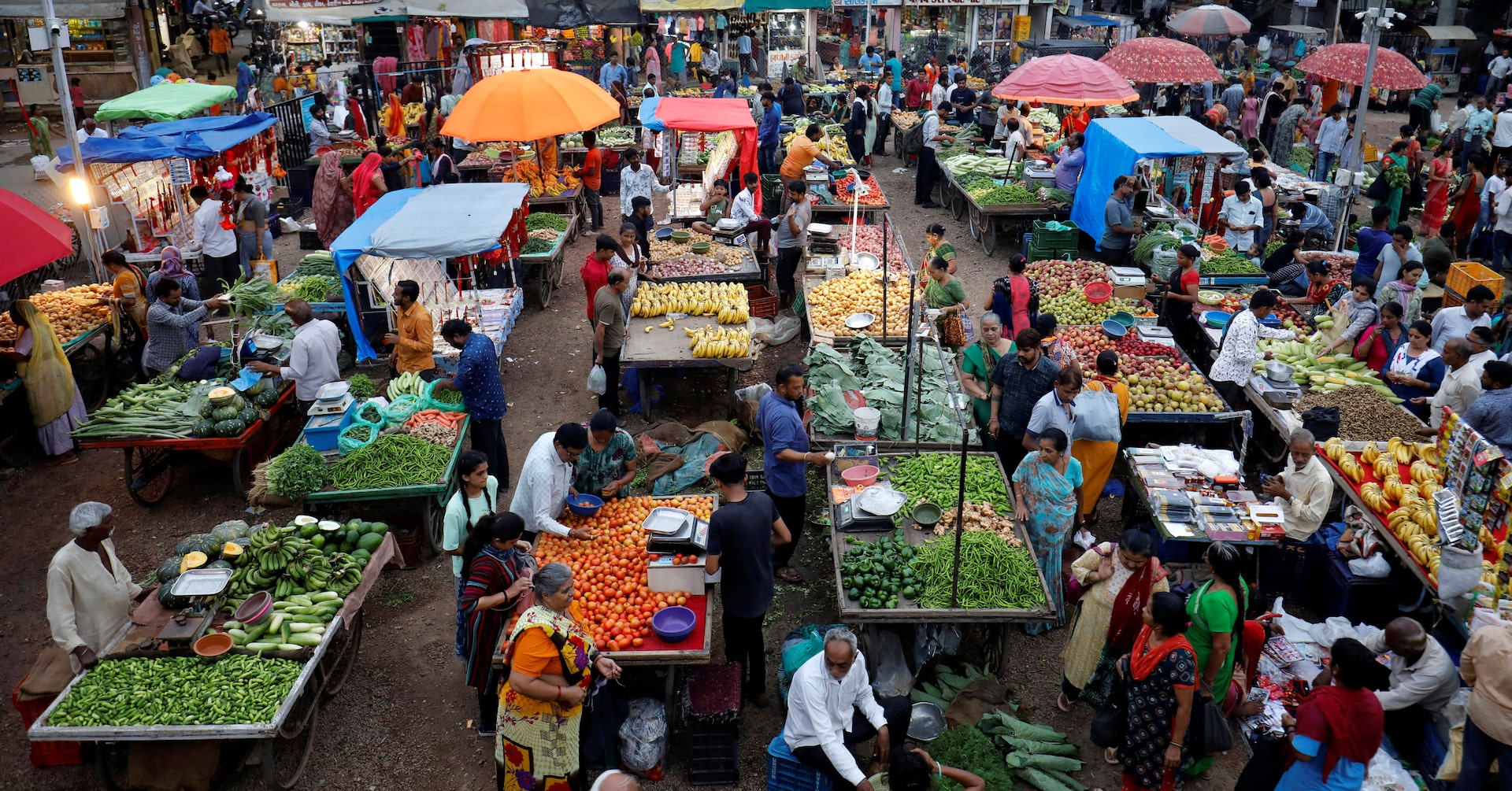
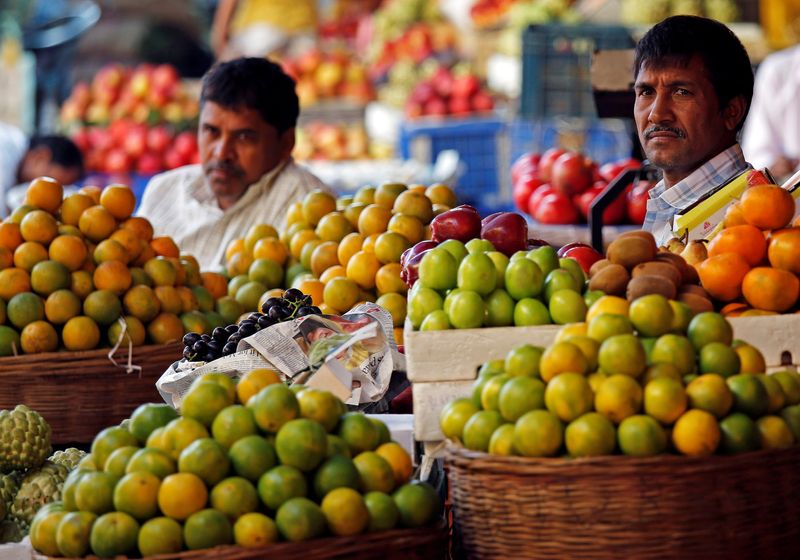
By Nikunj OhriNEW DELHI, March 12 (Reuters) – India’s retail inflation rose to 3.21% year-over-year in February, driven by higher prices of food, personal care products and precious metals, government data showed on Thursday.The key price gauge stayed below the Reserve Bank of India’s target of 4% and within its tolerance band of 2%-6%, even though soaring oil prices due to the Iran war have raised risks for higher inflation in Asia’s fifth-largest economy.A Reuters poll had projected inflation at 3.1%. The data was the second print under a revised series that seeks to capture changing consumption patterns in the world’s most populous country.Inflation for January was at 2.74%.Food inflation was at 3.47% year-on-year in February as compared with 2.13% a month ago. Prices of personal care products, which have a weightage of 5% in the inflation basket, rose 19.6% in February against 19% a month ago.Prices of silver jewellery rose 161% year-on-year in February, while gold prices increased 48.2% during the month.The “relentless” increase in silver and gold prices has fueled inflation, which will persist next month due to global uncertainty, said Madan Sabnavis, chief economist at Bank of Baroda.Core inflation, which excludes volatile items such as food and energy and is an indicator of demand in the economy, was at 3.4% in February, said Aditi Nayar, chief economist at ICRA.OIL RISKS AHEADThe ongoing war in the Middle East, which sent crude prices soaring to four-year highs, could push up inflation in India, the world’s third-largest oil importer.Indian companies have raised prices of cooking gas for the first time in about a year.Finance Minister Nirmala Sitharaman said earlier this week that India does not expect a sharp rise in inflation as domestic price levels remain near the lower end of the central bank’s tolerance band of 2% to 6%.However, a government report released last week said that a prolonged Middle East conflict could weaken the rupee and widen India’s current account deficit.Oil prices soared over $119 a barrel earlier this week, the highest intraday prices since June 2022, but hopes of the war de-escalating and the International Energy Agency’s decision to release a record 400 million barrels of oil from strategic stockpiles have brought down prices.Economists at State Bank of India expect inflation to rise to 4.1% if oil prices average $100 per barrel through the next financial year.Shortages of cooking fuel have emerged as a concern as India is the world’s second-biggest importer of liquefied petroleum gas. The government invoked emergency powers last week to order refiners to increase production for domestic use while curbing supply to industries.The move led to restaurants and eateries warning of possible shutdowns due to disruptions in cooking fuel for commercial use.Benign inflation and high economic growth have prompted the RBI to cut interest rates steeply over the last year, even though it held rates in February.“We do not expect an immediate impact on inflation, but a prolonged disruption could have knock-on effects,” said Suvodeep Rakshit, economist at Kotak Institutional Equities.“RBI, while staying on pause, in April, is likely to be watchful of inflationary risks as well as growth slowdown risks in FY2027.”The central bank’s rate setting panel will meet next from April 6-8.(Reporting by Nikunj Ohri; Editing by Sonia Cheema)