Anne Applebaum inspects the shards of post-war orderUkraine
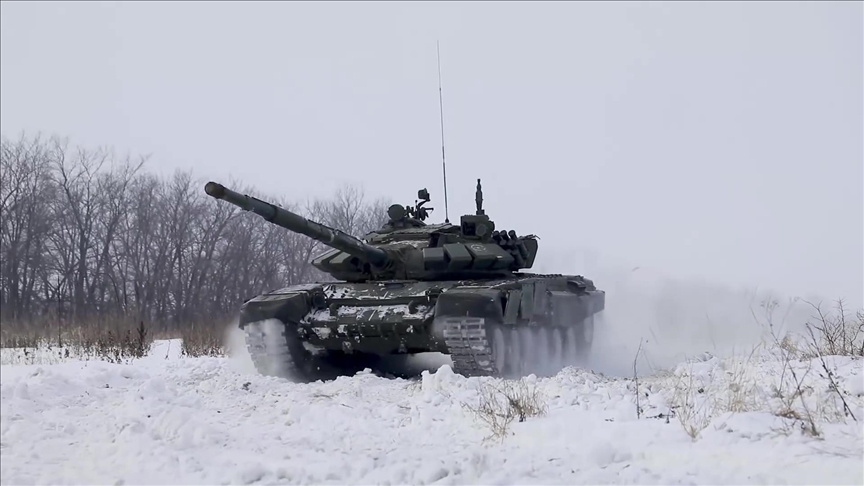
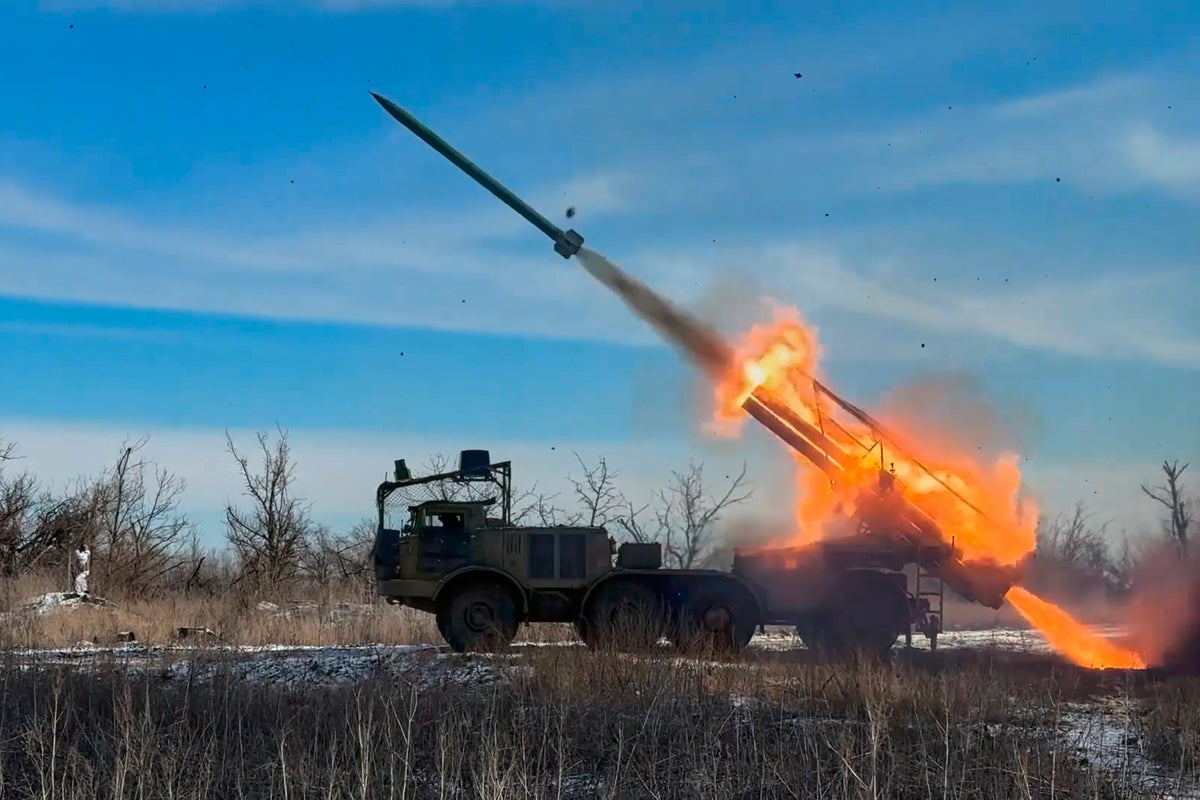
As the Russia-Ukraine war enters its fifth year, and with the U.S. seeming to withdraw from its role as a reliable security and trading partner, there is now a clear understanding in Europe that it’s time to turn the page and prepare to go it alone, says author and journalist Anne Applebaum.
“Everyone you speak to now, not just in Europe but especially in Europe, talks about hedging: ‘How do we hedge against the United States? How do we find other markets? How do we protect ourselves? We’re now in a world where we have America on one side and Russia on the other, and we need to think about what our voice will be,’” Applebaum, a staff writer for The Atlantic, said during a March 4 talk with Serhii Plokhii, the Mykhailo S. Hrushevs’kyi Professor of Ukrainian History at Harvard.
The event was part of a series of talks on Europe in wartime hosted by the Harvard Ukrainian Research Institute, the Davis Center for Russian and Eurasian Studies, and the Center for European Studies at Harvard.
Applebaum, who has written several books on the political histories of Russia, Ukraine, and Europe, said that the current global moment harkens back to the dark politics of a century ago, when ethnonationalism was on the rise. Most striking, she said, is the weakening of the rules-based world order that emerged after World War II and prevailed into the 21st century. At the recent Munich Security Conference, she said, the terms “liberal world order” and “rules-based world order” were being “used as a kind of insult” by some.
“It was a thing you say to dismiss somebody — ‘That’s someone who doesn’t know what’s going on because they’re still stuck in the ideas of the 1990s and 2000s and we moved to something else.’” She added: “It’s a really very radical change, and obviously, it affects Europe, obviously it affects Ukraine, and obviously it affects us.”
Beginning in the 1990s, after the fall of the Soviet Union, the EU thought that trade with Russia, especially for its cheap oil and gas, was the best path toward peace and good relations, Applebaum noted. By providing Russia with some financial stability and integrating it into European markets, the thinking went, the Kremlin would be disincentivized to engage in conflicts with countries along Europe’s Eastern flank, she said.
“The breaking of that belief, especially in Germany, has been profound,” Applebaum said, “and I don’t think it comes back anytime soon.”
One possible outcome of the war could be a Europe that includes Ukraine. With its vast mineral and agricultural wealth, along with its military strength, Ukraine could be a “transformational” member of the EU and NATO, Applebaum said.
While there is a real desire among many in the EU and Ukraine to make the accession happen, she said, the process cannot move forward without approval from all 27 EU nations on numerous governance, trade, and security issues.
“The Ukrainians are frustrated by the EU conversation because they think, ‘You’re blocking us for no reason,’ and Zelensky very much wants to be able to offer Ukrainians something at the end of the war,” Applebaum said. “It’s just that the logistical and institutional complications aren’t small. They’re important.”
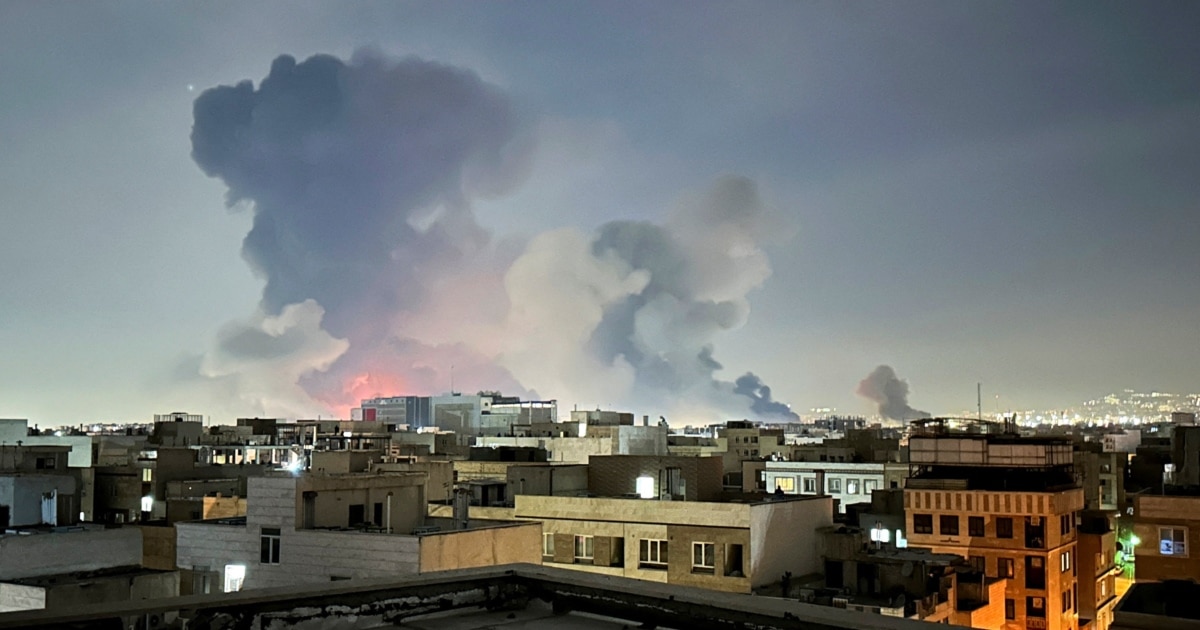
It’s too soon to know how the U.S.-Israeli war with Iran will affect Ukraine or Russia, according to Applebaum. Should the conflict continue, the global instability it has caused, including a spike in oil prices, may boost the Russian economy at a critical juncture, she said. Rapid depletion of U.S. weapons could also benefit Russia, she added.
On the other hand, a besieged Iran, which has been an important strategic Russian ally and reportedly used Russian intelligence to hit U.S. military targets, could seriously weaken Russia’s influence in the region, she said.
Applebaum believes that both wars have revealed a fundamental flaw in the informal alliance of autocratic regimes like China, Russia, and Iran. Though their antipathy toward liberal democracy remains constant, she said, they have shown little willingness to provide military support to their fellow autocrats.
“A lot of those regimes turned out to be more fragile than had been previously imagined,” she said. “One of the premises was that they would help each other when in trouble — and that seems to be not true.”
Share this article
Share on Facebook
Share on LinkedIn
Email article
Print/PDF





Comments (0)