Elon Musk Says Tesla’s Robots Could One Day Reach AGI-Level Intelligence
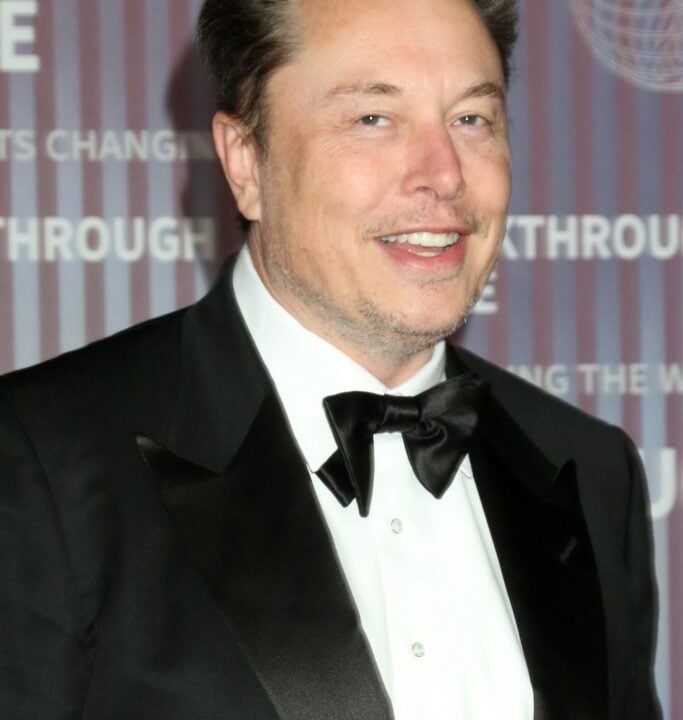
Tesla CEO Elon Musk said the company could eventually build humanoid robots capable of artificial general intelligence (AGI), according to a report published Thursday (March 5) by Seeking Alpha.
Musk on X said that Tesla will be one of the companies to develop AGI, and “probably the first to make it in humanoid/atom-shaping form.” AGI is generally defined as a form of AI capable of performing most intellectual tasks at human-level or beyond.
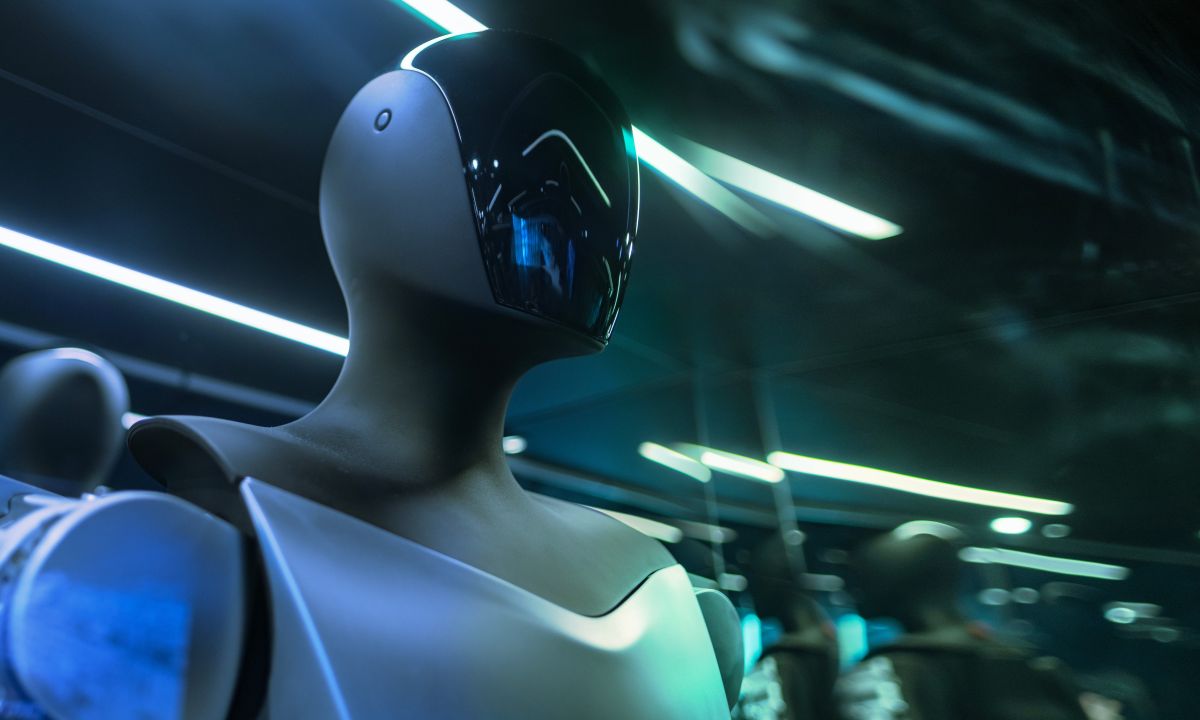
Musk’s comments come as Tesla continues developing its Optimus humanoid robot program, which the company is framing as part of its broader AI strategy.
Tesla is expected to introduce Optimus Gen 3 in the first quarter of 2026. The upcoming model is designed as the first version intended for large-scale manufacturing rather than demonstration purposes, according to the Seeking Alpha report.
The robot is expected to perform industrial and household tasks using software derived from Tesla’s full self-driving AI stack. Early deployments will likely occur inside Tesla factories, where the company can collect operational data and refine both hardware and machine-learning systems in a controlled environment.
Morgan Stanley analyst Adam Jonas said the next-generation Optimus could differ substantially from earlier prototypes and may even be simpler than expected as Tesla prioritizes manufacturability and reliability.Advertisement: Scroll to Continue
We’d love to be your preferred source for news.
Please add us to your preferred sources list so our news, data and interviews show up in your feed. Thanks!
Musk has previously suggested that if the technology matures, production of the humanoid robot could scale quickly, potentially reaching about 1 million units per year.
Humanoid robotics remains an emerging sector despite increasing investment from technology companies and manufacturers seeking to combine advances in AI models with physical automation.
Tesla has positioned Optimus as part of a broader effort to expand beyond electric vehicles into AI, autonomy and robotics. The company has argued that combining large-scale machine learning systems with robotics hardware could eventually produce machines capable of performing a wide range of physical tasks.
Still, significant technical hurdles remain across the robotics industry, including improving dexterity, reliability and real-world efficiency.
As PYMNTS reported, many humanoid robots still struggle to deliver consistent productivity gains in workplace environments, highlighting the gap between technological ambition and practical deployment.
Workers attitudes toward robotics and automation also remain mixed. PYMNTS Intelligence research found that workers in sectors such as logistics and manufacturing are often less concerned about robots replacing their jobs than office professionals, suggesting perceptions of automation risk vary widely across industries.
Musk has nevertheless emphasized that humanoid robots and autonomous vehicles could become key drivers of the company’s future growth.