Stream It Or Skip It: ‘Man On The Run’ On Prime Video, A Documentary About When Paul McCartney’s Post-Beatles Life Gave Him Wings
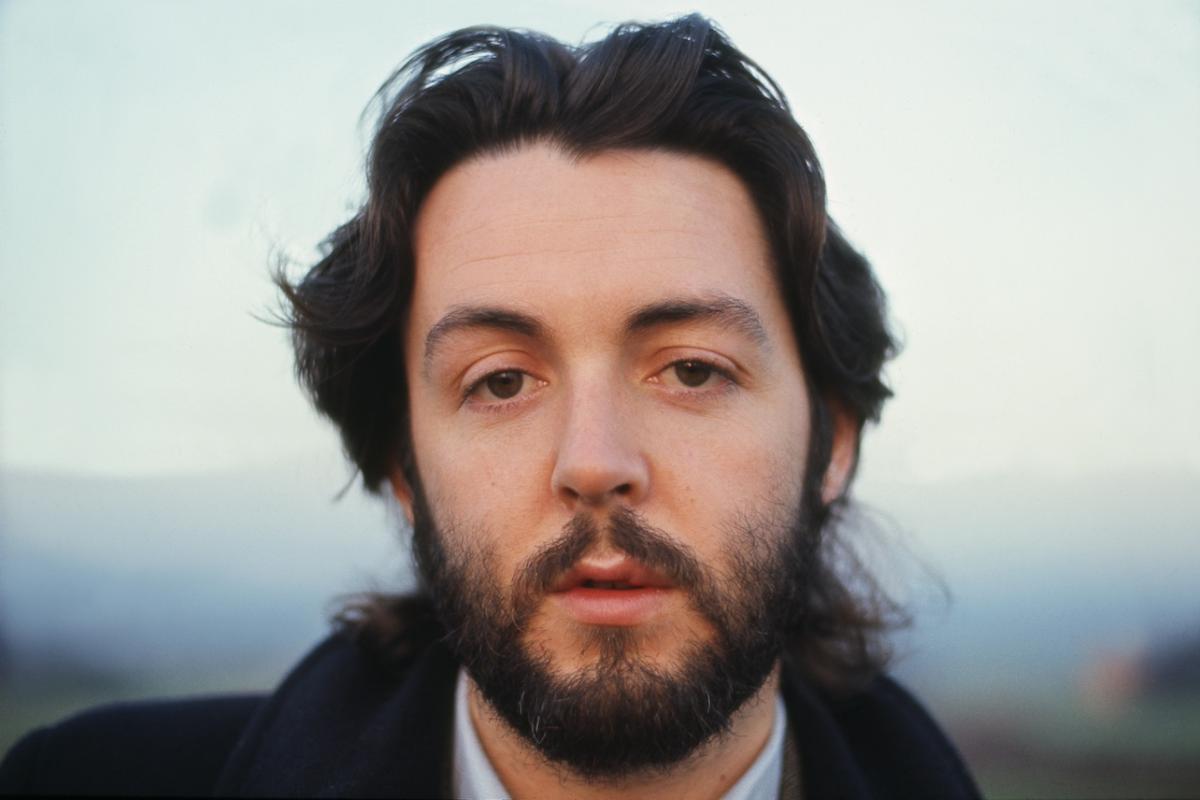
In 1969, when the Beatles broke up in secret, Paul McCartney’s main question was “What the fuck do I do now?” This is the starting point for Man on the Run, Oscar-winning filmmaker Morgan Neville’s look at McCartney’s 1970s era, which features narration and observation from Macca himself, plus archival interviews with Linda McCartney. The film, which is part of a new package of retrospective Wings material that includes a box set and a book, also features commentary from Stella McCartney, Nick Lowe, Chrissie Hynde, Mick Jagger, and former Wings members.
The Gist: Paul McCartney was 27 in 1969, and everybody thought he was dead. At least for a little while. It was part of the media crush around all the Beatles drama of their bickery final days, and another signal to the band’s co-founder that it was time to get gone. Man on the Run begins in 1970, when McCartney’s crash-out era led him, Linda, and their young family to an idyllic, rough-and-tumble farmhouse in Scotland. It gets into the writing and DIY recording of McCartney, which predated the home recording revolution of 1990s alternative music by decades. And it enters McCartney’s headspace at the time, when he was smarting from falling out with John Lennon, widely accused of being the breaker-upper, and navigating dicey legal and financial waters after the Beatles – the biggest group the world had ever known – canceled themselves.
“I had to look at my world and find something that wasn’t the Beatles,” McCartney says in his voiceover, and since his world was mostly Linda, the idea of his wife joining his new group was the germination for Wings. (That she was a photographer by trade and neither a musician nor a trained singer didn’t matter.) Man on the Run features no cutaways. It’s presented as a bit of an oral history instead, with the McCartneys and their children, Wings band members, and notable musical figures – Jagger, Elton John – filling in the narrative over lots and lots of footage, both self-recorded at home and of Wings rehearsals and shows. Because once Paul had decided to push the Beatles malaise away with the formation of something new, it had to start at what is square one for any band. Gigs.
As McCartney guides his Wings to fly, some of his same old problems pop up. He’s kind of a control freak. He’s also a world famous superstar, meaning everybody else in the band is constantly just everybody else in the band. (Dudes left.) Man on the Run also aligns the Beatles fallout timeline alongside its focus on McCartney – the legal shit, but more interestingly, Paul and John writing clapback rock beefs about each other. Also, takes from the culture: “What’s he got his old lady in the band for?” asked the haters. Paul and Linda admit this stuff got to them. But it also made them more determined, and McCartney’s workaholic nature demanded he keep working on Wings until the project broke through. 1973’s Band on the Run, and the resulting world tours, were when square one became “Square one hundred.” For a musician who could never outrun the comparisons to his past, this was freeing.
Photo: Linda McCartney / Amazon Studios
What Movies Will It Remind You Of? Documentaries will do their work to ensure the Beatles and the band’s members will never leave our consciousness. Man on the Run incorporates some footage from Get Back, and speaking of box set tie-ins, a restored version of The Beatles Anthology recently appeared. (Additionally, Disney+ features a cleaned-up Let it Be film.) The recent One to One: John and Yoko is also a powerful look at the celebrity couple’s own 1970s era.
Performance Worth Watching: Throughout, McCartney’s narration is thoughtful and forthright in his typical manner. There are interesting nuggets in here about his approach to songwriting, a bit of pushback on his public perception in the ’70s – “I went into ‘Fuck you’ mode” – and the nine days he spent in a jail in Japan 1980, after a pot bust at the Tokyo airport.
Memorable Dialogue: Fashion designer Stella McCartney considers her mother Linda as a first-generation influencer for her fits during the Wings era. “She was self-styled, and it was the coolest fucking look on Earth. On Earth! And it was, I’m sorry, like, so ahead of its time.”
Sex and Skin: Nah. But see above for references to the many, many instances of fabulous 1970s drip on display throughout Man on the Run.
Our Take: Breakdown: 1975, Morgan Neville’s other most recent film, took a kind of trending topic approach to its featured era. The doc utilized classic film clips and layers of seventies media ephemera in a manner that was visually rich, if slightly thin on substance. That style appears again with Man on the Run, where Neville builds manipulated collages to speed-run the Beatles’ history, and singles out various versions of ’70s McCartney as a main character – he breaks out of one piece of film, appears in another, or is edited together with attendant and supporting footage to compile a pastiche of visual action. And then there’s another layer over top, the McCartney of today, who sometimes seems to be reacting directly to what’s on screen. So it’s kind of like you’re hanging out with the last surviving Beatle as he ruminates on this decade of his life, slickly remixed.
Man on the Run has also gotta be the most comprehensive collection of Wings footage ever. You’re in luck if this is your favorite part of McCartney’s solo discography – there are a lot of extended cuts in the live stuff, plus raw studio and rehearsal footage, with different incarnations of the group really hitting it on songs like “Soily,” “Band on the Run,” and “Coming Up.” All over Man on the Run there are people saying McCartney often could have used an editor. (An admittedly wacko 1973 TV special is singled out; “Are you fucking nuts?”) But this doc proves that no matter what it looked or sounded like on the outside, McCartney and Wings felt free to do their thing on the inside.
Our Call: Stream It. Visually and aurally, Man on the Run is packed with 1970s vibes. And If you’re a Wings head, you’re home. It’s also a solid survey of where Paul McCartney was, philosophically and emotionally, as he publicly traversed his post-Beatles chapter.
Johnny Loftus (@johnnyloftus.bsky.social) is a Chicago-based writer. A veteran of the alternative weekly trenches, his work has also appeared in Entertainment Weekly, Pitchfork, The All Music Guide, and The Village Voice.