HBO's Groundbreaking Historical Drama That Paved the Way for Game of Thrones
When HBO greenlit Rome in 2005, it elevated the capacity for cinematic television. The series dramatized the turbulent transition from Roman Republic to Empire. It also centered on real political figures, while threading the narrative through fictionalized soldiers Lucius Vorenus and Titus Pullo. These characters were loosely inspired by figures mentioned in Caesar’s Commentarii de Bello Gallico. The result was a groundbreaking blend of political intrigue, sex, violence, and moral decay. It became one of the best historical action shows on TV. Years before Game of Thrones, Rome proved that serialized storytelling could even rival blockbuster cinema. Unfortunately, HBO’s historical epic was short-lived. Despite actor Ray Stevenson's Titus Pullo’s potential to be an HBO icon, Rome was canceled after Season 2.
Rome Was One Of The Most Expensive TV Shows At The Time
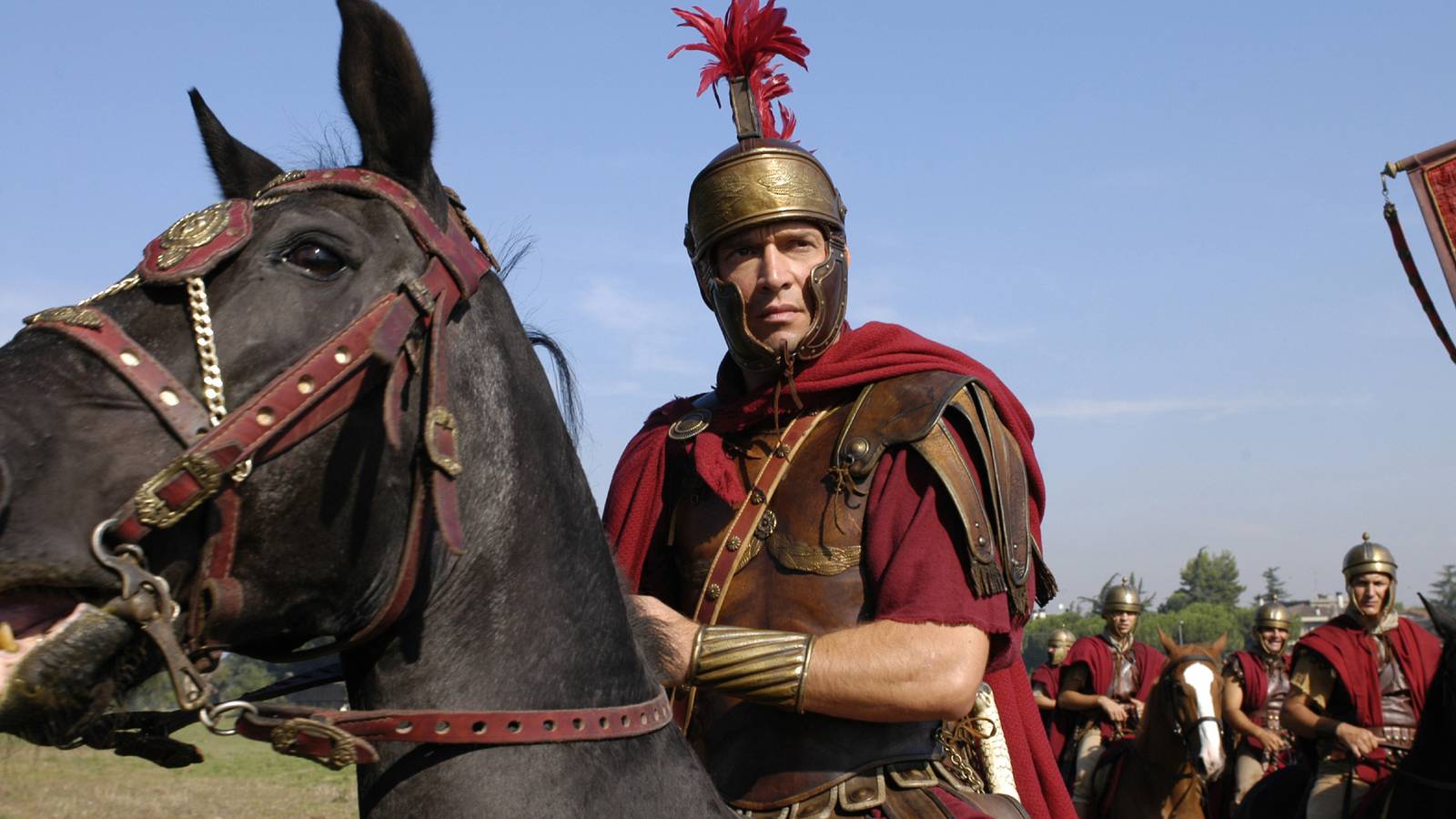
Roman soldiers gather in HBO's Rome.
HBO co-produced Rome with BBC, and its initial budget for season 1 was approximately $100 million. That equates to roughly $9–10 million per episode, which, even by today’s standards, is an extraordinary figure for television production. For comparison, even six years later, the early seasons of Game of Thrones cost around $6 million per episode. Much of Rome's cost went into physical production. Instead of using digitized scenery, HBO constructed an enormous, detailed backlot at Cinecittà Studios in Italy. Streets were built with functioning drainage, interiors were fully dressed, and buildings extended deep enough for complex tracking shots.
Related
20 Best HBO Episodes Of All Time, Ranked
HBO has been the home of prestige television for decades, and in that time, it's delivered some of the greatest TV episodes ever produced.
The show employed thousands of extras and used extensive practical effects. Armor, weapons, and wardrobe were custom-made rather than reused stock pieces. The scale was unprecedented for cable television. HBO was betting that audiences would embrace cinematic storytelling at home.
How Historically Accurate Was HBO's Rome?
Kevin McKidd as Lucius Vorenus in full battle armor in HBO's RomeCustom Image by Kate Bove
Like many fictionalized historical dramas, not everything is perfectly accurate. Rome diverged from accuracy around the timings of historical events and the importance of characters. Though inspired by real names in Caesar’s writings, Vorenus and Pullo were elevated from brief historical mentions into central narrative drivers. Cleopatra’s depiction also leaned into volatility and mysticism in ways debated by scholars.
Regardless, Rome earned praise from experts despite some battle inaccuracies. Historians frequently commended the show’s depiction of Roman life. Rome portrayed the city as crowded, colorful, and chaotic. Costume design reflected class distinctions accurately. Senators wore proper senatorial stripes, while plebeian clothing appeared worn and practical. Hairstyles for elite Roman women aligned with period-appropriate sculptural references. Rome managed to deliver gripping drama without completely abandoning historical credibility. That careful balance influenced later prestige television, including Game of Thrones, which took those lessons to blend its fantasy politics with quasi-medieval realism.
Why Rome Only Had Two Seasons
It is no surprise that, despite strong reviews and multiple Emmy nominations, Rome ended largely due to financial pressure. Although ratings were respectable for HBO, they were not large enough to fully offset the immense budget. Its massive production costs proved difficult to justify. Reports indicate that expenses escalated during Season 1, and rebuilding damaged sets after a studio fire increased logistical complications. The elaborate Cinecittà backlot required constant maintenance. Ultimately, HBO concluded that sustaining the series long-term was economically unviable.
Even though it was canceled after season 2, Rome left a lasting legacy. It proved that audiences would commit to morally complex, serialized epics filled with political maneuvering and shocking violence.
Without Rome, the production of Game of Thrones would never have been what it is today. The HBO masterpiece even starred three Game of Thrones actors. Thanks to Rome, HBO learned how to manage enormous ensemble casts, international production pipelines, and cinematic storytelling on television.
Release Date
2005 - 2007-00-00