China’s New Playbook for Buying Western Fashion Brands
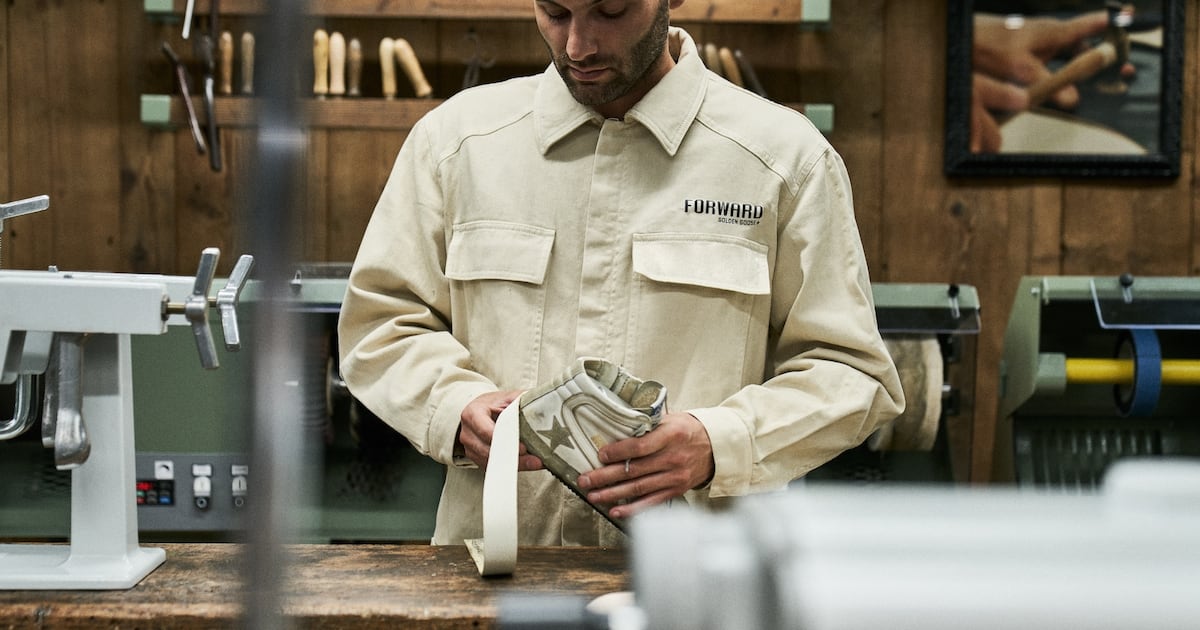
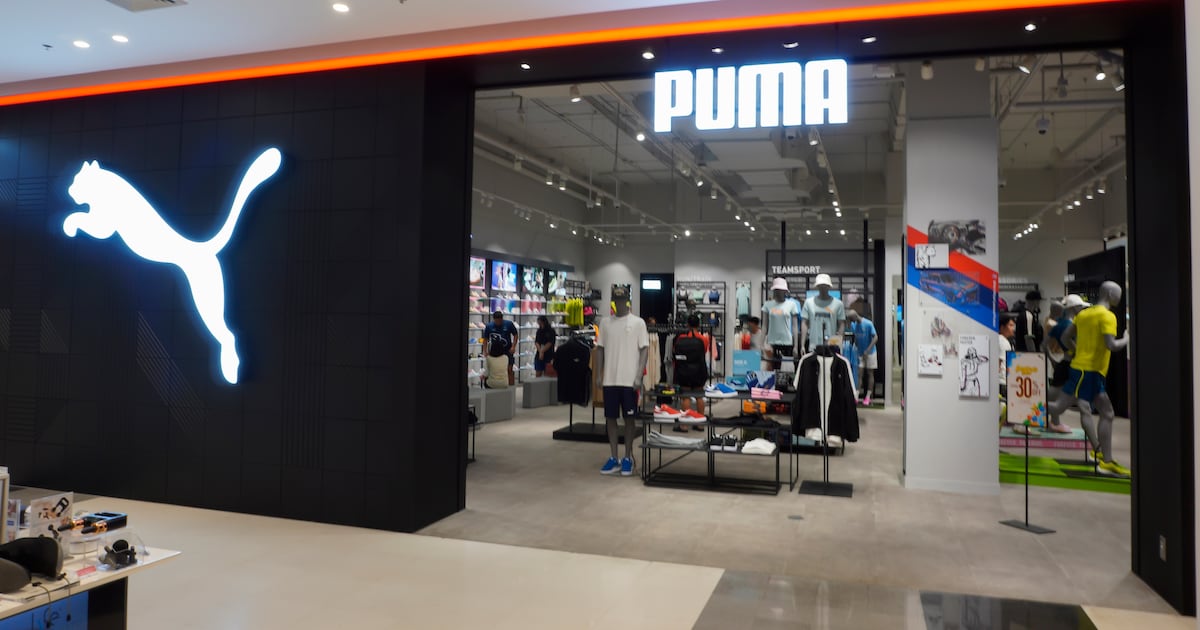
After a pandemic-driven hiatus, Chinese capital is once again muscling in on the Western fashion and sportswear landscape. It hasn’t gone so well in the past, with high-profile examples like Fosun’s purchase of historic French fashion house Lanvin and textiles manufacturer Shandong Ruyi’s acquisition of SMCP’s Parisian labels serving as cautionary tales of retrenchment. Chinese investors have traditionally seen Western brands as trophy assets, at times overestimating their brand equity and expecting to leverage them across markets, including China, without much difficulty.This time around, investors are treading more carefully.The current wave of investment has a sporty flavour, with Anta Sports buying a 29-percent stake in Puma while venture capital and private equity firm HSG (HongShan Capital, formerly known as Sequoia Capital China) has purchased a majority stake in Italian sneakers brand Golden Goose. “The main drivers [for Chinese companies buying Western companies] are a continued emphasis on accessing heritage and craftsmanship,” said Bain & Company partner Priscilla Dell’Orto. “That is still very valuable in terms of enduring prestige and expertise, which is still sometimes hard or more expensive to replicate domestically when starting from zero.”Track RecordsPuma and Golden Goose have long track records of consumer loyalty. Jiajia Zou, a partner at HSG, cited Golden Goose’s “uniquely Italian” roots and her “deep respect for the brand’s heritage” when the Chinese fund announced the acquisition in December.As Puma’s largest shareholder, Anta should be able to draw know-how from the sportswear brand while Puma is expected to benefit from Anta’s expertise.“Puma is an iconic brand with substantial heritage,” said Anta chairman Ding Shizhong, announcing the acquisition. He described the purchase as a major step in the group’s “multi-brand, globalisation strategy.”Puma’s international brand influence in soccer, motorsports and running should be a boost to Anta, helping it to expand market share in football during the current World Cup year while Anta can offer operational expertise to Puma, said Donn Hu, a senior analyst at Third Bridge.“What Puma needs most from Anta is its middle-office capabilities — from fabric development at the supply chain source and rapid response, to logistics feedback,” said Hu, noting that as a long-established German brand, Puma still follows conventional processes for design, R&D and product launches.With Anta’s support, bringing innovation, Puma should return to growth in China in two to three years, Hu said.High-end Western targets for Chinese companies seeking to build conglomerate models go beyond apparel and accessories to include high-end furniture, spirits and beauty, Bain said.Examples in beauty include Ushopal’s purchase of French skincare brand Payot last year, adding to its collection of Western labels, while S’Young, another Chinese group, bought France’s Evidens de Beauté and US-based Révive in the wake of the Covid-19 pandemic.Escaping the Manufacturing TrapChinese acquisitions fit into a chequered history of non-Western capital buying Western fashion assets. In the 1980s and 1990s, Japanese conglomerates Onward Holdings and Renown bought European luxury brands including Cerruti and Aquascutum, taking their retail expertise to a global stage as Japan’s economy boomed. The investments ultimately failed and were sold. Onward underwent restructuring in 2008 while Renown went bankrupt during the pandemic. More recently, Middle Eastern investors, including from Qatar, Saudi Arabia and the United Arab Emirates, have taken stakes in maisons like Valentino and brands across fashion and hospitality, often with a view to long-term stewardship rather than rapid exits. Qatar-backed Mayhoola has owned Valentino since 2012, but is in the process of selling its remaining stake in the underperforming brand to Kering.Chinese buyers share elements of both playbooks, with a sharp focus on skill transfer. For decades, China has been the world’s manufacturing engine for apparel and footwear. Owning Western brands fits into a strategy of moving beyond the factory floor to capture the higher returns associated with global branding, distribution and intellectual property.It is also a hedge against domestic volatility, as uncertainty in China makes internationally diversified brand portfolios more attractive. China’s economic slowdown has pushed luxury brands to increase focus on other established Asian markets, such as Japan and South Korea, as well as emerging markets like India, Deloitte highlighted in a recent report.Brands are seeking to diversify production outside of China amid geopolitical tensions and US tariffs. They also face pressure to be more sustainable and shorten their supply chains.After more than two years of slowdown in the luxury industry and rising interest rates that have made potential debt-financed acquisitions more expensive, Chinese groups also see an opportunity to buy foreign assets at more reasonable valuations.Golden Goose sold after a period of slower growth and postponed initial public offering. Yet the Italian brand still offers global resonance and strong fundamentals, with a 34 percent gross operating profit margin and revenue up 13 percent in the first nine months of last year. Similarly, Anta’s Puma stake gives it exposure to the know-how linked to a global brand at a time when public markets have not fully priced in long-term brand turnarounds.Autonomy vs. ScaleChinese buyers are expected to focus on preserving creative autonomy while upgrading infrastructure, supply chains and direct-to-consumer capabilities.Anta’s stewardship of Amer Sports, which includes Arc’teryx and Salomon, has become a reference point for how Chinese ownership can enhance Western brand desirability. Since Anta’s 2018 acquisition, Arc’teryx’s revenue grew more than fourfold and increased prices without damaging brand heat. The brand has kept product, design and marketing leadership largely outside China. Anta’s success is also attributed to its strict focus on sportswear brands, an area where it has accumulated experience and knowledge.The strategy is not without risk. Brand acquisitions require patience, cultural sensitivity and sustained investment, particularly in marketing and retail. Things did not go well for Lanvin and SMCP’s fashion brands Sandro, Maje, Claudie Pierlot and Fursac.“So far it has been a story of value disruption,” for Lanvin, said Mario Ortelli, managing partner at luxury advisory firm Ortelli & Co. “Everything has gone wrong.”Ortelli listed areas where Fosun, renamed Lanvin Group, fell short: “They underinvested, they basically didn’t have a clear idea of who was the customer of Lanvin, distribution was suboptimal.”The group has cycled through management teams and designers over the years, and revenue at the Lanvin brand was down 25 percent in 2024.At SMCP, its Chinese owner Shandong Ruyi, later known as Ruyi Group, overextended itself with international acquisitions. Its unravelling in 2022 led to years-long court battles and temporary ownership by a group of creditors, who are only now able to kick off the initial stages of a sale process for SMCP.Meanwhile, Paris-based management has had to scale back the group’s store network in China while seeking to reignite sales growth and profitability.“It has been a bit like a series, with many seasons and many episodes,” said SMCP CEO Isabelle Guichot. “We’ve tried to focus internally on our strategic and operational plans.”Japanese acquisitions in the 1990s and those fuelled by private equity in the early 2000s offer examples of buyers underestimating the fragility of brand equity. The risk for today’s buyers lies in the invisible threshold of brand perception. If a label’s heritage feels like a hollowed-out marketing front for a distant conglomerate, brand heat can vanish as quickly.Still, taken together, the Puma and Golden Goose deals appear to point to something larger than opportunistic buying. They signal a maturation of Chinese capital in fashion: more strategic, and increasingly confident in shaping global consumer brands.While Western conglomerates building empires defined earlier eras of fashion M&A, the next phase may be characterised by a multipolar ownership landscape, with Chinese groups firmly in the mix.