More than 300,000 homes now in arrears on electricity bills, latest figures show
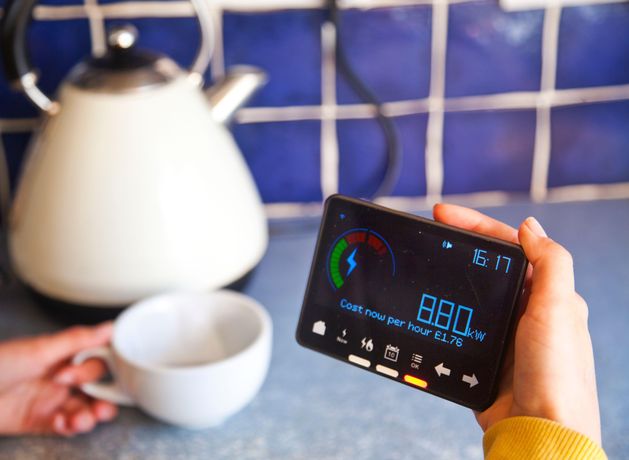
New figures from the Commission for the Regulation of Utilities (CRU) show that the number of households behind on their electricity bills jumped by 22,146 in the three months to December 2025 when compared with the previous quarter.The total stood at 319,459 domestic electricity accounts where payments were missed.This represents 14pc of household electricity customers, up from 13pc in the previous quarter.Some 191,525 of those in arrears are more than 90 days behind on their payments, the CRU arrears report shows.This is up by 4,218 on the previous quarter.Experts said the ending of the electricity credits is likely to be a major factor in the rise in the numbers struggling to pay their bills. Cost-of-living pressures are also likely to be putting pressure on household budgets, particularly rises in the cost of food.Ireland has some of the most expensive electricity rates in Europe.The average outstanding on the electricity bills that are in arrears is €466, the regulator said.“The average value of a domestic electricity account in arrears increased by 3pc in December 2025 compared to November 2025. The value of a domestic electricity account in arrears is 10pc higher than what it was in December 2024,” the CRU said.More than a quarter of domestic gas customers are in arrears.CRU figures shows that 179,054 accounts were in arrears in the fourth quarter of last year.The average outstanding is €192.Close to 150,000 domestic gas accounts are more than 90 days in arrears.The CRU said: “The percentage of domestic gas customers in arrears in December 2025 was 26pc, which is a 1pc increase on the previous month, November 2025.“The percentage of domestic gas customers in arrears for over 90 days in December 2025 was 22pc, which is the same percentage as it has been since July 2025.”Earlier this week it emerged that households in Ireland are paying almost twice as much for their electricity as data centres.Figures published by Eurostat show that data centres also have much lower network charges imposed on them than those for householders.Sinn Féin MEP Lynn Boylan said the situation where data centres were paying half of what homes pay for energy was grossly unfair.Ireland has some of the most expensive electricity in the Western world.The Eurostat figures reveal that households are paying an average of 36.8c per kilowatt-hour (kWh) for electricity.Households pay 7.6c per kWh for their network charges. But big energy users, such as data centres, are paying just 19.1c per kWh for their electricity supply, and just 0.7c per kWh in network charges.Data centres accounted for 22pc of electricity usage in Ireland in 2024.Large energy users tend to get better rates on their electricity in many countries, because they can negotiate directly with their supplier and can skew their energy use to times when electricity is cheaper, such as at night.