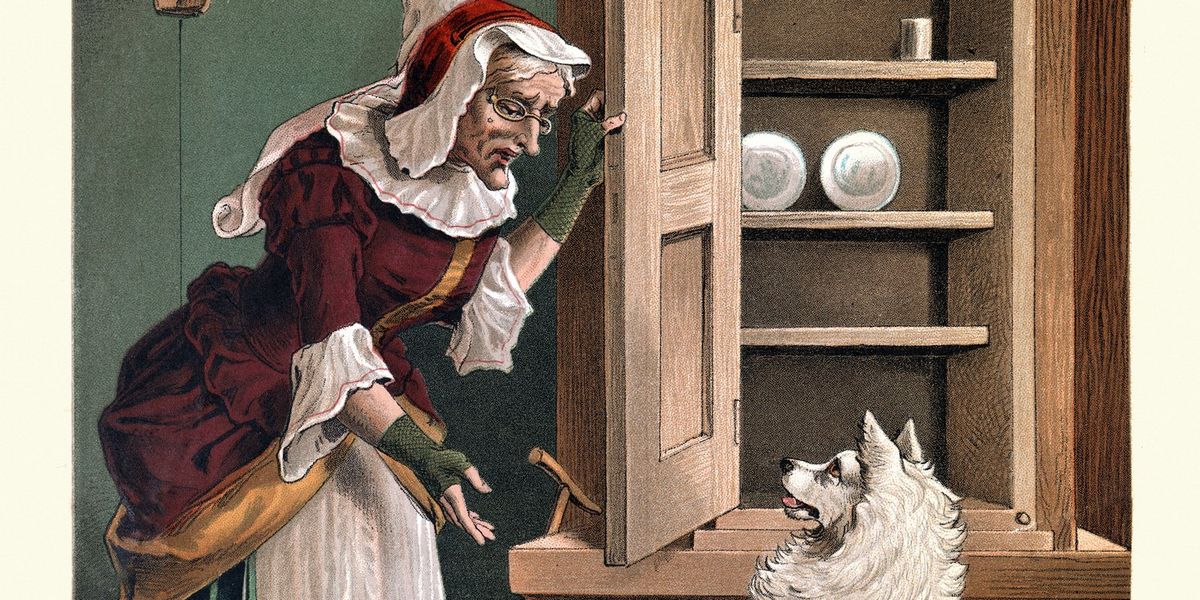
Old Mother Hubbard is 'ageist and a bad influence on children' claims woke new study
Beloved nursery rhymes like Old Mother Hubbard are facing calls to be updated or scrapped entirely, as researchers argue they are “ageist and a bad influence on children”. A new study claims these traditional verses present elderly characters as "incompetent, unlikable and irresponsible". The academics argue that despite centuries of entertaining youngsters and forming part of Britain's cultural heritage, these rhymes risk instilling negative attitudes about growing old.Writing in the journal JMIR Ageing, the researchers stated: "Although nursery rhymes may seem like mere tales not to be taken seriously, they are powerful cultural artefacts capable of moulding thought processes."The study singles out several well-known rhymes as particularly troublesome. Old Mother Hubbard, famous for her empty cupboard and inability to feed her dog, is criticised for depicting an elderly woman as forgetful and frail.The Old Lady Who Swallowed a Fly, who proceeds to consume a spider, bird and cat, is said to suggest declining mental faculties.Meanwhile. The Old Lady Who Lives in a Shoe faces accusations of questionable parenting, feeding her numerous children broth without bread and disciplining them through whipping.Old Mother Hubbard and other nursery rhymes have been deemed 'ageist and a bad influence on children' in a woke new study | GETTYDesperate Dan, who uses a frying pan to wash his face and a chair leg to comb his hair, is characterised as extremely unhygienic.It's Raining, It's Pouring, first published in America in 1912, features an elderly man who snores loudly and cannot rise after bumping his head.Michael Finnegan depicts an accident-prone older character who ultimately dies from catching a cold.Goosey Goosey Gander, originating from the Protestant Reformation, implies violence against an uncooperative elderly man who is thrown downstairs for refusing to pray.In the scant portrayals of elderly people in the rhymes, nearly two-thirds of them are presented negatively | GETTYOld Mother Leary, based on the Great Chicago Fire legend of 1871, shows an older woman as careless and indifferent to causing disaster.The Singapore-based team claims their research represents the first examination of how ageing is portrayed in children's rhymes.Their analysis examined 735 nursery rhymes in total, discovering that elderly characters appeared relatively infrequently, featuring in just four per cent of the verses studied.However, among the 29 rhymes that did include older people, nearly two-thirds portrayed them negatively.The researchers found 59 per cent contained harmful stereotypes, depicting the elderly as physically weakened, mentally impaired, unhygienic, helpless, unlikable, irresponsible and incompetent.They concluded: "Our study highlights the need to give children access to more accurate and nuanced stories about older adults."The National Literacy Trust maintains that nursery rhymes remain "extremely valuable" for developing children's language skills and preparing them for literacy, per the Daily Mail.