The Sports Car That Depreciates Faster Than Any Other Model
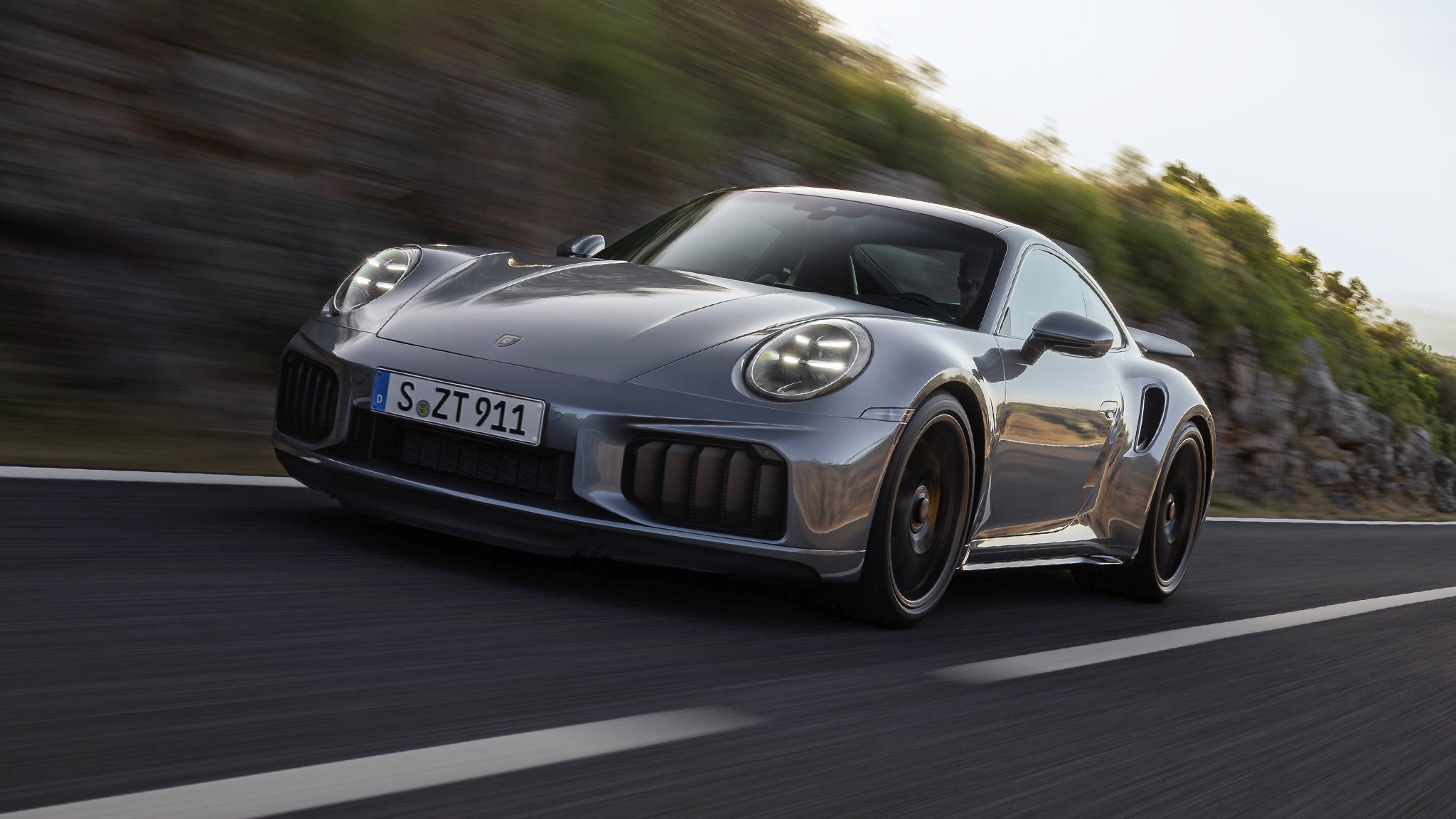
In the world of high-end performance, no amount of power or "specialness" can fully outrun the gravity of depreciation. According to Hagerty, most sports cars shed 6% of their value after year one and 20% by year three. However, geography and hype play a significant role in how fast that floor drops. Sports cars from Italian marques like Ferrari often prove resilient, British brands like McLaren and Aston Martin typically lose up to a quarter of their value in just three years. Even legends like the Porsche 911 GT2 RS aren’t immune, dropping 30% since launch, often a result of speculative buyers paying over MSRP. Amidst this volatility, one model consistently plummets faster than the rest.
Related
11 Most Reliable Sports Cars Built Over The Last 10 Years
Aside from offering serious power and fun, some of these sports cars will easily last 300,000 miles.
The Maserati GranTurismo Is The Fastest Deprecating Sports Car
2019 Maserati Granturismo sport convertible front three quarterVia: Bring a Trailer
The Maserati GranTurismo is often cited as the poster child for the fastest depreciating sports car in the automotive world. While a brand-new model typically commands a retail price between $160,000 and $190,000, the secondary market tells a much bleaker story for original owners. Within just five years, these grand tourers frequently plummet to a resale value of $50,000 to $65,000. Meanwhile, models older than 5 years are now trading for used Camry prices. This financial loss is largely fueled by a persistent reliability perception that haunts the brand. Historically, Maserati has struggled with complex electronics and high maintenance costs that far exceed those of its German rivals, making second-hand buyers wary of out-of-warranty repairs.
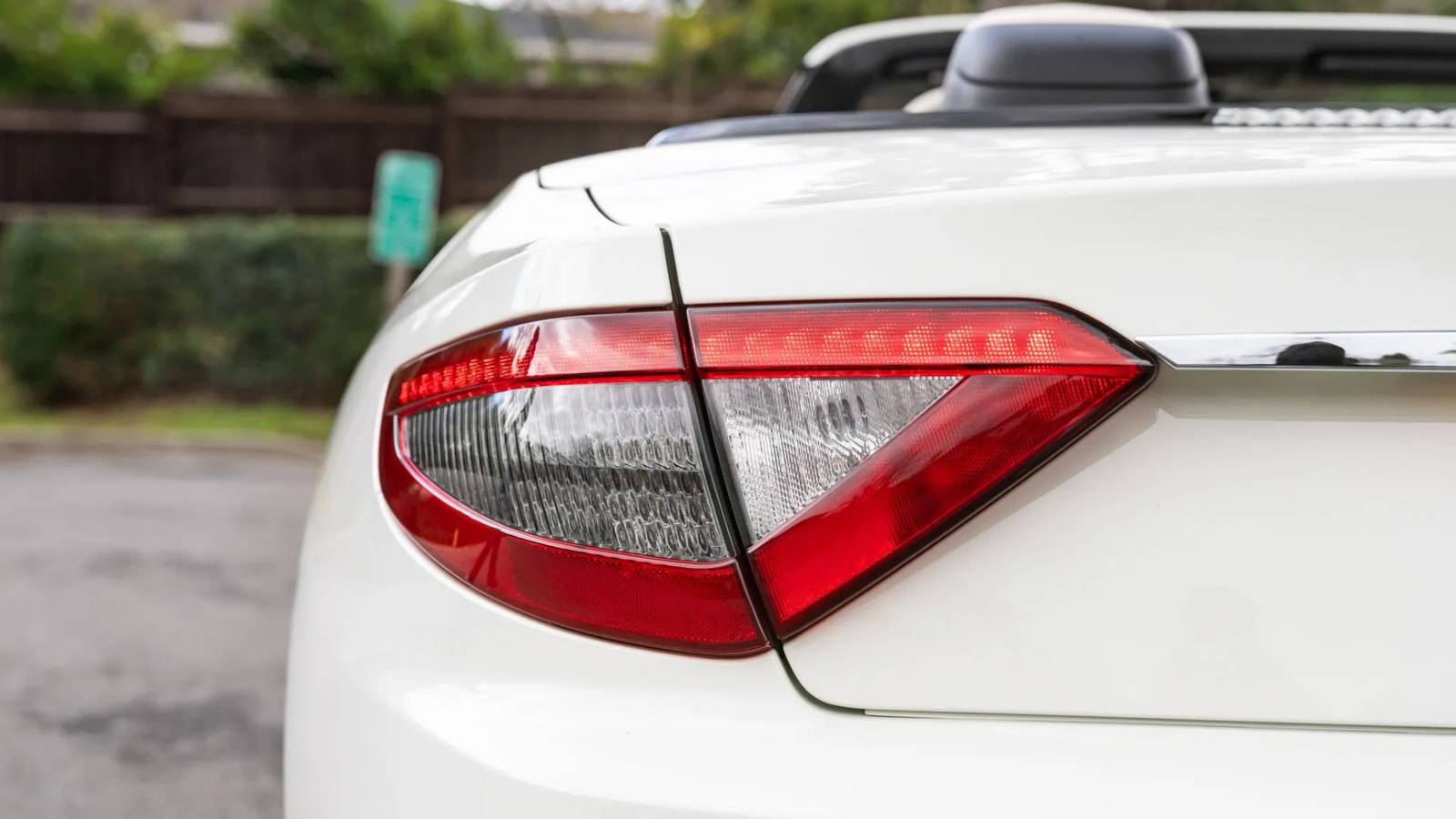
2019 Maserati Granturismo sport convertible rearVia: Bring a Trailer
Furthermore, Maserati occupies a difficult no man's land in brand perception. It sits uncomfortably between mass market luxury brands like BMW or Mercedes and true exotics like Ferrari or Lamborghini. To illustrate the severity of this drop, one only needs to look at the industry benchmarks. The Porsche 911 remains the gold standard of value retention, losing only about 19.5 percent over five years, while the Chevrolet Corvette C8 holds strong at roughly 27 percent due to high demand. Both of them are rated as the sports cars with the best resale value by KBB.
The 2026 Market: What Does A Used GranTurismo Actually Cost?
2019 Maserati Granturismo sport convertible front three quarter roof downVia: Bring a Trailer
Model
Original MSRP
Average Used Price (J.D. Power)
Depreciation
2015 Gran Turismo MC
$150,570
$40,600
73%
2015 Gran Turismo Sport
$132,825
$34,500
74%
2015 Gran Turismo Convertible
$145,740
$44,000
69.8%
2015 Gran Turismo Sport Convertible
$150,465
$45,600
69.7%
For the savvy enthusiast, the 2026 used market presents the Maserati GranTurismo as one of the most tempting bargains in the performance sector. Looking at average prices for used 2015 Gran Turismos as provided by J.D. Power's estimates across multiple trims, we found that these cars all lost around 70% of their value in the last 10 years on the market. However, if we ask CarEdge's calculator, those calculations are quite generous (probably because we haven't taken inflation into consideration). The site claims a 5-year depreciation rate of a ridiculously steep 65% for the GranTurismo, along with an average 5-year resale value of $65,134! Even more surprising, looking at slightly newer models, a market snapshot of three-year-old models from 2023 shows they're currently selling for approximately $95,000 (Classic.com). This represents a 45% drop from their original price in a very short window. For those willing to go back further, models from 2019 can be found for as little as $65,000 on classic.com. When you consider the sheer amount of theater, leather, and prestige involved, these numbers are almost unbelievable. The most striking way to view this depreciation is through a used value comparison. In today’s market, a ten-year-old Maserati GranTurismo costs, on average, around $40,000 in good condition. This is far less than a brand-new Ford Mustang GT ($46,250) or about the same as a base 2026 Ford F-150 pickup truck ($37,290). Despite its original six-figure pedigree and exotic Italian DNA, the Maserati’s price tag has been humbled by the reality of the secondary market. Buyers are essentially getting a hand-assembled Italian masterpiece for the price of a common commuter car.
Why The Maserati GranTurismo Steeply Loses Value
2019 Maserati Granturismo sport convertible front three quarter roof upVia: Bring a Trailer
So why does the used market price these cars so low? There are multiple very strong reasons, actually. First of all, the entry fee is often followed by high maintenance costs. A Maserati GranTurismo will cost about $21,244 for maintenance and repairs during its first 10 years of service, and a 55.82% chance it will need major repairs (CarEdge). While the purchase price is a bargain, the cost of ownership remains firmly in the supercar category, which is exactly why the resale values continue to struggle against the tide of more practical alternatives. And don't forget steep insurance premiums either. None of these also touch on perhaps the biggest issue, which is the brand's poor reliability reputation among buyers. In an effort to fix this in 2026, Maserati has moved production back to the Modena factory and expanded its Maserati Approved certified pre-owned program. By shifting toward a build-to-order model, the brand hopes to limit oversupply and finally stabilize these plummeting residuals. Finally, there's positioning. Unlike Ferrari or Lamborghini, Maseratis are luxury GTs first and performance icons second. They don't have the same “timeless, visceral performance car” appeal associated with many other supercar brands. As such, their buyers frequently chase the latest model rather than valuing older examples, which helps explain why used Maseratis lose value so quickly.
Related
The Sports Car With Toyota Reliability And Porsche Performance
A dependable sports car that pairs Toyota reliability with sharp handling and confidence-inspiring real-world performance.
The Ultimate Hack: A Ferrari-Engined Bargain
2019 Maserati Granturismo sport convertible engine close upVia: Bring a Trailer
Engine (2019 MY)
Transmission
Power
Torque
4.7L Naturally Aspirated V8
6-Speed ZF Automatic
454 hp
384 lb-ft
The primary reason enthusiasts endure the Maserati GranTurismo's depreciation is the mechanical masterpiece hidden under its hood. Every previous generation GranTurismo is powered by the F136 V8 engine, a powerplant designed and built by Ferrari. This engine family is shared with legends like the Ferrari 458 Italia and the F430, though the Maserati version utilizes a cross-plane crankshaft to provide a smoother, more sophisticated grand touring character. It remains one of the most celebrated naturally aspirated V8s in history, offering a level of exotic engineering that is increasingly rare in an era of turbocharging and electrification. Beyond the technical specs, the F136 provides what many consider the best exhaust notes per dollar on the used market. The car produces a high-pitched, operatic wail that serves as a constant reminder of its Maranello heritage. For many buyers, this auditory experience justifies the steep maintenance costs.
Ferrari Power For The Price Of A Camry
2019 Maserati Granturismo sport convertible V8 engine bayVia: Bring a Trailer
Because of the model's high depreciation, this Ferrari heart can now be acquired for the price of a used Toyota Camry. It is a massive performance gap that allows drivers to access genuine supercar DNA and a world-class soundtrack without the six-figure entry fee associated with the Prancing Horse badge.
Find more vehicles in our marketplace
Shop With Smart Search
The Modern Ferrari SF90 May Soon Dethrone The Maserati
A Ferrari SF90 cruising down the highway Ferrari
While Maserati has long held the depreciation crown, the Ferrari SF90 Stradale is currently experiencing a shocking market implosion. Owners are witnessing their flagship hypercars lose over $300,000 in value in just a few years. The statistics are brutal for a brand known for exclusivity: in the last year alone, SF90 Coupes dropped by 15.5 percent while Spiders fell by 11.7 percent. It may not be the highest depreciating sports car outright, but the amount of value lost (about two new Maserati GTs) in just a few years is alarming.
Engine shot of the Ferrari SF90 Stradale showing the 4.0-liter twin-turbo V8 coversFERRARI
This sudden drop is largely attributed to the fear or perhaps disdain for the SF90's hybrid powertrain. Used buyers are showing deep-seated concerns over long-term battery longevity and the immense tech overload of Ferrari’s first plug-in hybrid, preferring the mechanical purity of older models.
Rear view of a red Ferrari SF90 Stradale on a race trackFERRARI
While the high-tech SF90 plummets, internal combustion engine Ferraris are seeing their values skyrocket. The F8 Spider, the last of the non-hybrid mid-engine V8s, lost only 9.9 percent in the same period, and older analog icons like the 458 Speciale have seen prices surge by over 40 percent, appreciating like a Rolex.
The market is sending a clear message that it prizes the roar of a pure engine over the complexity of electric motors. If these trends continue, the SF90’s massive dollar-for-dollar losses may soon make it a worse financial proposition than even the most neglected Maserati.
The 849 Testarossa Hopes To Hold Value Better Than The SF90
Ferrari 849 TestarossaFerrari
Hagerty's Henry Catchpole called the SF90 "a bit of a forgettable Ferrari." To address the issue, Ferrari replaced it by bringing back the Testarossa with the new 849 hypercar to improve the shortcomings of its predecessor.
Related
These 2010s Luxury Sports Cars Have Now Depreciated Beyond Belief
These depreciated luxury sports cars are some of the greatest bargains on the used market in 2025.
The Depreciation Runners-Up: Jaguar F-Type And BMW 8 Series
2017 Jaguar F-Type SVR driving fast on the roadJaguar
Rounding out the list of value losers are two more European heavyweights that suffer from a lack of secondary market confidence. The Jaguar F-Type remains a stunning piece of British design, but it typically sees approximately 51 percent depreciation over its first five years. The car suffers from being a niche product in a segment dominated by the Porsche 911. High out-of-warranty repair costs for specialized British components often scare away second owners, leaving these beautiful coupes and convertibles to sit on dealer lots until their prices hit rock bottom.
bmw 8 series coupe sidelong greybmwusanews.com
The BMW 8 Series faces a similar struggle, with a five-year depreciation rate hovering around 49 percent. As BMW’s flagship grand tourer, the 8 Series is packed with cutting-edge luxury technology that quickly feels obsolete as newer models arrive. The complexity of its various sensors, infotainment systems, and active driving aids makes it a liability once the factory warranty expires. Consequently, used buyers often skip the 8 Series entirely, opting either for the more stable investment of a Porsche 911 or the significantly cheaper 4 Series. This lack of demand at the high end of the market ensures that 8 Series owners will continue to see some of the steepest losses in the luxury performance category.
Sources: Hagerty, CarEdge, Classic, Fourwheel Trader via YouTube, J.D. Power.