Europe braces as US returns to Munich Security Conference
The emergence of a New World Order resultant from a radical shift in US policy has left Europe geopolitically adrift
China will seek to capitalise on the growing gap between the US and Europe, with its diplomatic Red carpet well-trod in recent weeks
The risk perception of the US has worsened dramatically in the last 12 months, according to the Munich Security Index
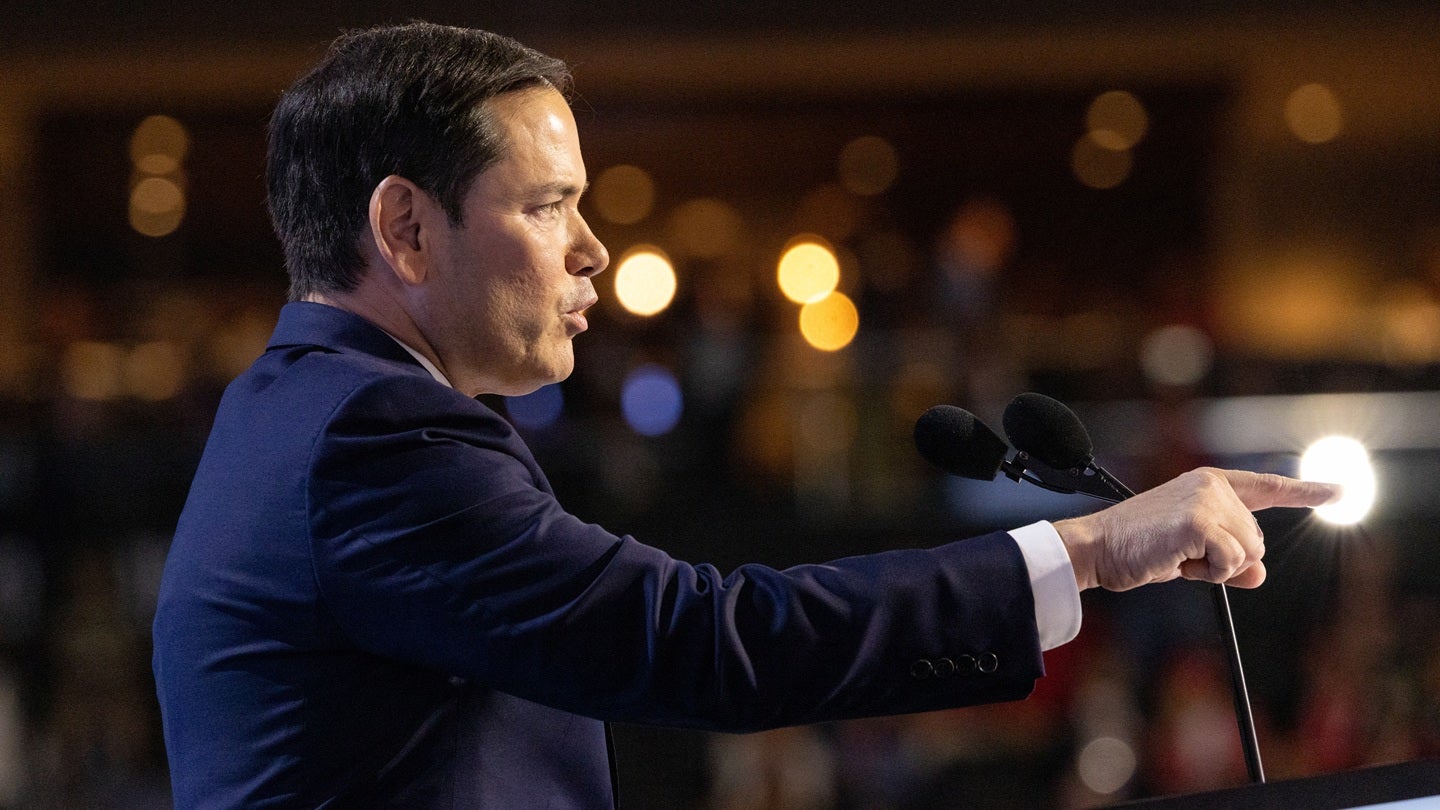
Arriving as the harbinger of a New American Imperialism, the return of a US delegation led by Secretary of State Marco Rubio to the Munich Security Conference (MSC) later this week will form the theatrical centre of a debate beginning to shape the geopolitical future of Europe.
China will make a pitch for Europe to shift away from Washington and continue a diplomatic blitz by Beijing attempting to separate London, Paris, and Berlin, from the US’ orbit. Beijing has already welcomed the leaders of the UK, France, and Finland, among others, in recent months. Discover B2B Marketing That Performs
Combine business intelligence and editorial excellence to reach engaged professionals across 36 leading media platforms.
Find out more
German Chancellor Friedrich Merz will visit China at the end of February.
This growing shift is perhaps an unintended consequence for US policy towards Europe, which was clearly laid out in the recent National Security Strategy.
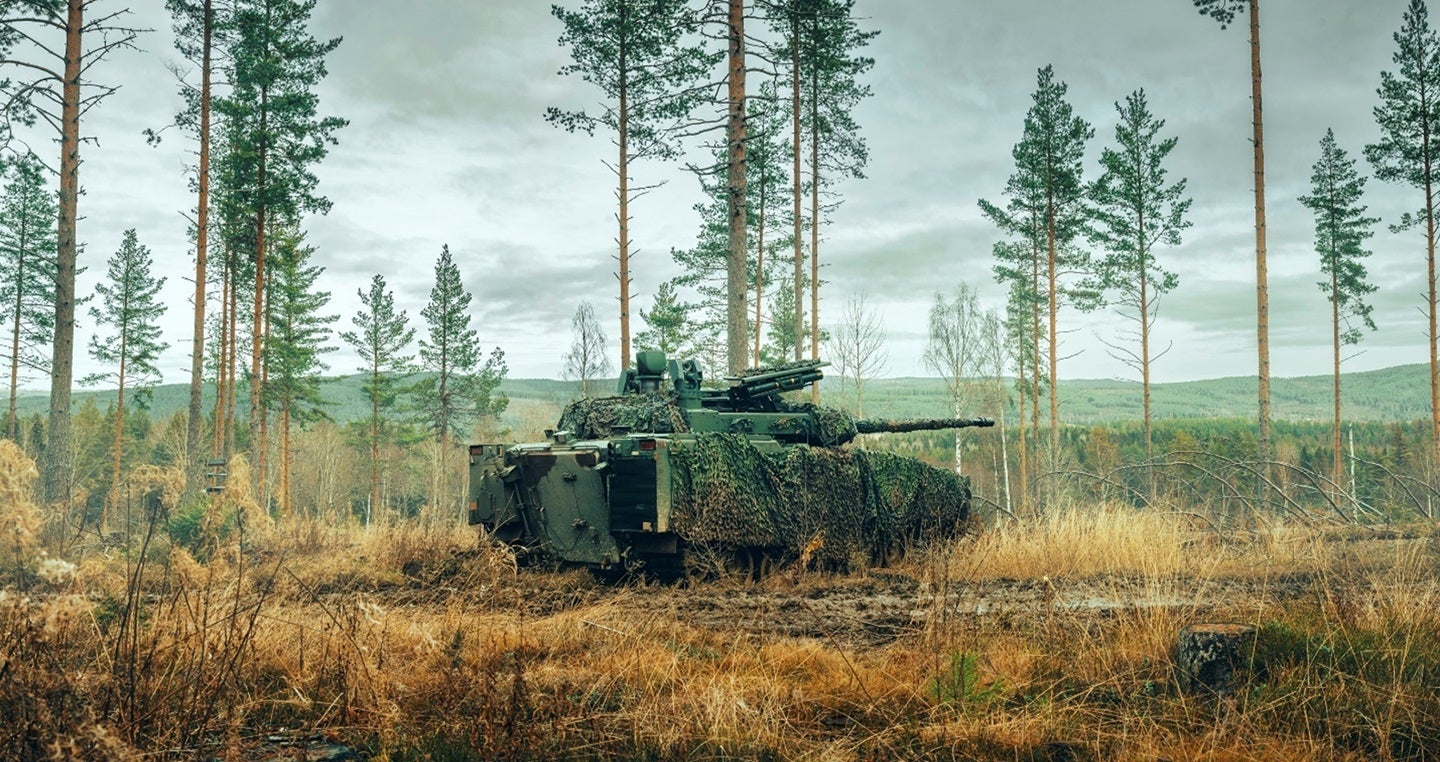
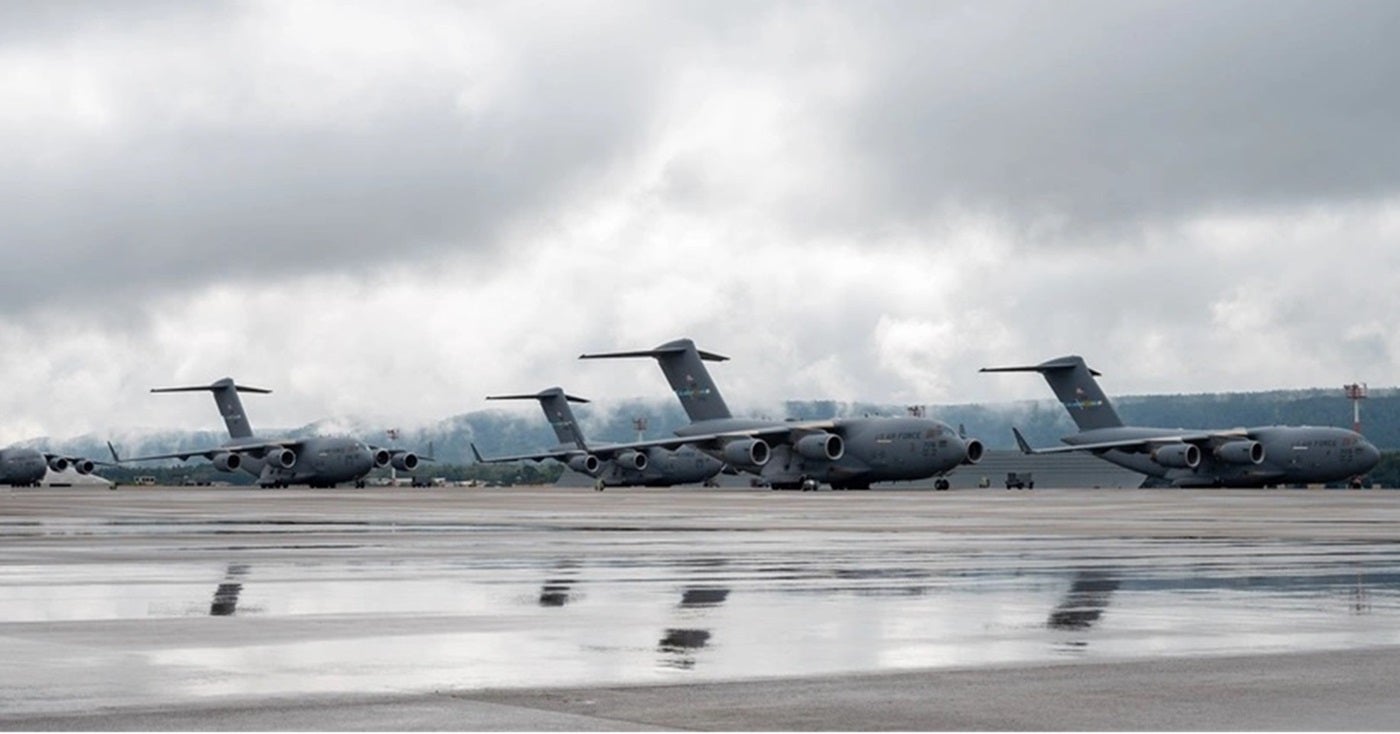
What will be even less palatable for the US, is a clear desire for many European countries to reduce their reliance on US military equipment. The European Union, along with the UK, are key markets for US defence suppliers, providing capabilities across the land, sea, air, and space domains.
This will be a concern for US President Donald Trump, who wants to ensure Europe retains its need for American arms, a position no doubt mirrored by the US defence sector.
GlobalData Strategic Intelligence
Don’t let policy changes catch you off guard. Stay proactive with real-time data and expert analysis.
By GlobalData
What tone the US delegation will take is unknown, but its arrival in Europe will be met with much more scepticism than 12 months ago, when Vice President JD Vance shocked the world with an excoriating speech that cast the US’ commitment to Nato in doubt.
US Vice President JD Vance made headlines with his speech at the MSC in 2025. Credit: Steve Travelguide/Shutterstock.com
Since then, the US has pursued an agenda of aggressive unilateralism, seizing Venezuela’s President Nicolas Maduro in Operation Absolute Resolve and building up a huge military force in the Middle East in a bid to pressure Iran into a new nuclear deal.
A series of global sanctions by the US on friends and foe alike have left relationships in tatters.
Elsewhere, and already falling into the background noise for the US is the Ukraine-Russia war, which will in two weeks’ time mark its fourth anniversary since Moscow’s full-scale invasion. Reports indicate that the US will want to impose a ceasefire, or peace deal, in the summer, to coincide with the 250th anniversary of the formation of the United States.
That, or secure the acquisition – even annexation – of Greenland.
Timed to release just ahead of the start of the Munich Security Conference (MSC), the Munich Security Report set the stage for the coming event, which was taking place at a moment of “profound uncertainty”, according to Ambassador Wolfgang Ischinger, chairman of the MSC.
“For generations, US allies were not just able to rely on American power but on a broadly shared understanding of the principles underpinning the international order. Today, this appears far less certain, raising difficult questions about the future shape of transatlantic and international cooperation,” Ischinger wrote in the report’s foreward.
Detailed in the MSC’s pre-event Munich Security Index (MSI), which canvassed extensively for its survey results, revealed respondents across nearly all the G7 and BICS countries – except Japan and China – now see the US as “a more serious risk” than last year.
Credit: Munich Security Conference/Kekst CNC
This represented a continuation of a trend that was “already evident” in last year’s edition of the MSC after President Donald Trump’s election, when perceptions of the seriousness of the US as a risk “surged”, the Index stated.
That US Secretary of State Rubio is tagging on visits to Slovakia and Hungary, both led by euro-sceptic, pro-Russian, administrations, after the MSC is telling.
Slovakia will benefit from efforts to “support Slovakia’s military modernisation”, while Hungary was said to “share [US] commitment to peace processes”, wrote the US State Department on 9 February.
Hungary President Viktor Orban maintains strong relations with Russia, as Moscow seeks to impose a favourable peace deal in Ukraine.
Similarly, Slovakia Prime Minister Robert Fico has often questioned European sanctions on Russia and frequently opposed sending aid to Ukraine.
Notable is the decision by the Chinese delegation heading to the MSC, which will be led by Member of the Political Bureau of the CPC Central Committee and Minister of Foreign Affairs Wang Yi, to visit Hungary on 11 February, before heading to Germany to deliver a speech.
The Munich Security Conference will take place from 13-15 February.
Sign up for our daily news round-up!
Give your business an edge with our leading industry insights.