Super-Size Your Sensor with the Fujifilm GFX Range
Q What is it about medium format that resonates so strongly with you, and what does it offer over and above full-frame and APS-C 35mm models in your opinion?
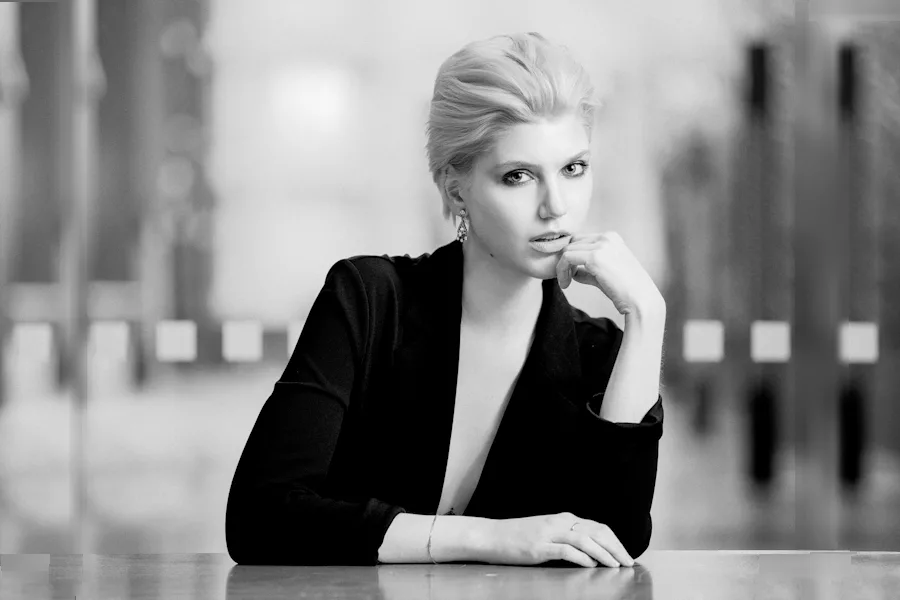
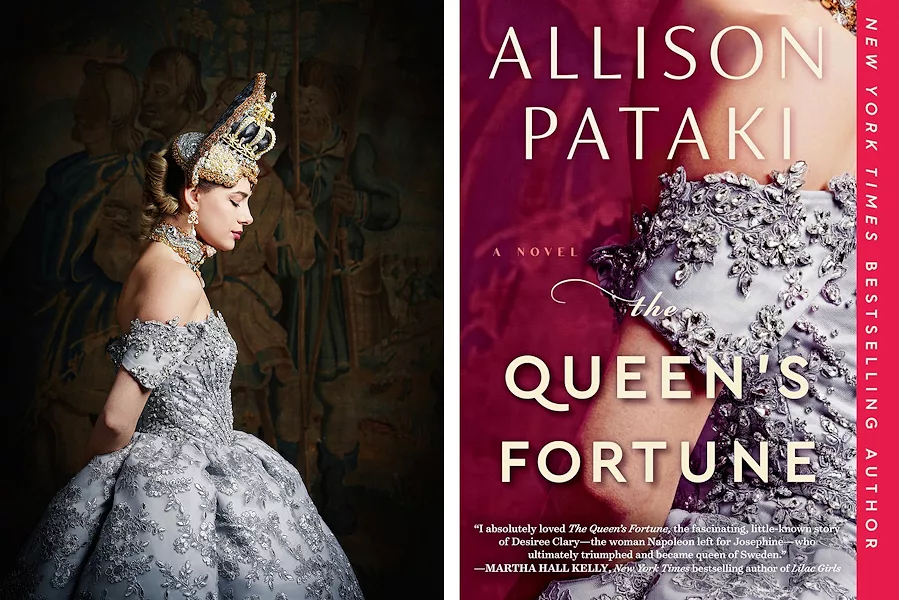
Shooting with medium-format cameras has its pros and cons, but the main reason I love it is the image quality. When you look at the pictures side-by-side with those from almost any other digital camera, the medium-format look is just exquisite. The colours and depth of field have a look that is all their own and, for want of a better word, the photographs look ‘expensive’.
The last part of that sentence might sound a bit ridiculous and lofty, but when images are used to sell something or promote a person, that sense of quality and luxury is important. Having said all of that, medium format works especially well for me because studio portrait photography is a ‘slow’ kind of photography, meaning nobody is moving around too quickly. Everybody knows that the cameras work more slowly than other digital cameras; however, depending on your shooting style, this can be a benefit, not a problem.
For me, it gives me the opportunity to slow down, shoot with intention and actually think about what I’m doing. In a workflow sense, I get satisfaction from composing carefully in the viewfinder and, when it comes to editing and retouching, I rarely have to crop my images! The outcome of this slower approach is that I don’t overshoot, which means my portrait subject and anyone else working on the shoot can preserve their energy and give 100% to the job at hand.
Q Going back a few years digital medium format had a reputation for being extremely expensive while lacking many of the refinements of the 35mm full frame systems. In your opinion has Fujifilm’s GFX system changed this around, and was this one of the prime reasons for you opting to work with it?
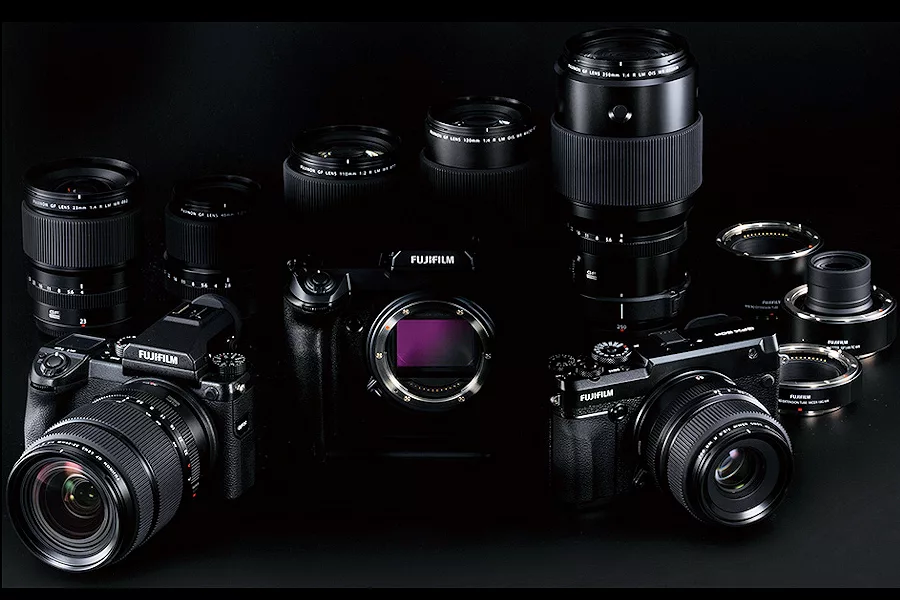
Yes, absolutely. The price point of the GFX system was the main reason I was able to get into shooting medium format in the first place! I’ve used the other main medium format systems over the years and, while they are also excellent, the price point is not always attractive to professional photographers. The workflow on the GFX cameras is not vastly different to the smaller Fujfifilm cameras, which is good if you are already in their ecosystem, and I find them to be very user-friendly.
Q What, for you, are the most important features of the GFX100 you’re working with, ones that, as a professional, you feel are essential?
Image quality and reliability are the most important aspects for me. Shooting in the studio gives me the luxury of not worrying too much about weather sealing, fast shutter speeds and some of the technical concerns that are important in the likes of sport or documentary photography, for example. One of the most important things for a portrait photographer is the way your camera is able to render skin tones, and colour more generally. This is something the GFX cameras really excel at, and I find I can produce my most flattering photographs of people with them. Although most of my private clients don’t care about what kind of camera their photographer uses, the editorial clients certainly do, and they are all very happy with the GFX images.
Q What about the size and ergonomics of the GFX medium format system: is this also something that’s been crucial in terms of you making this your kit of choice?
Yes, absolutely. Although I’m happy to shoot with big cameras, slowly when necessary, the ergonomics of the GFX range are really beautiful and set them apart from the other medium format ranges. I would say that transitioning from a DSLR system is straightforward, and the cameras themselves are very easy to use.