These Plastic Navy Boats Are Designed To Be Sunk For Target Practice
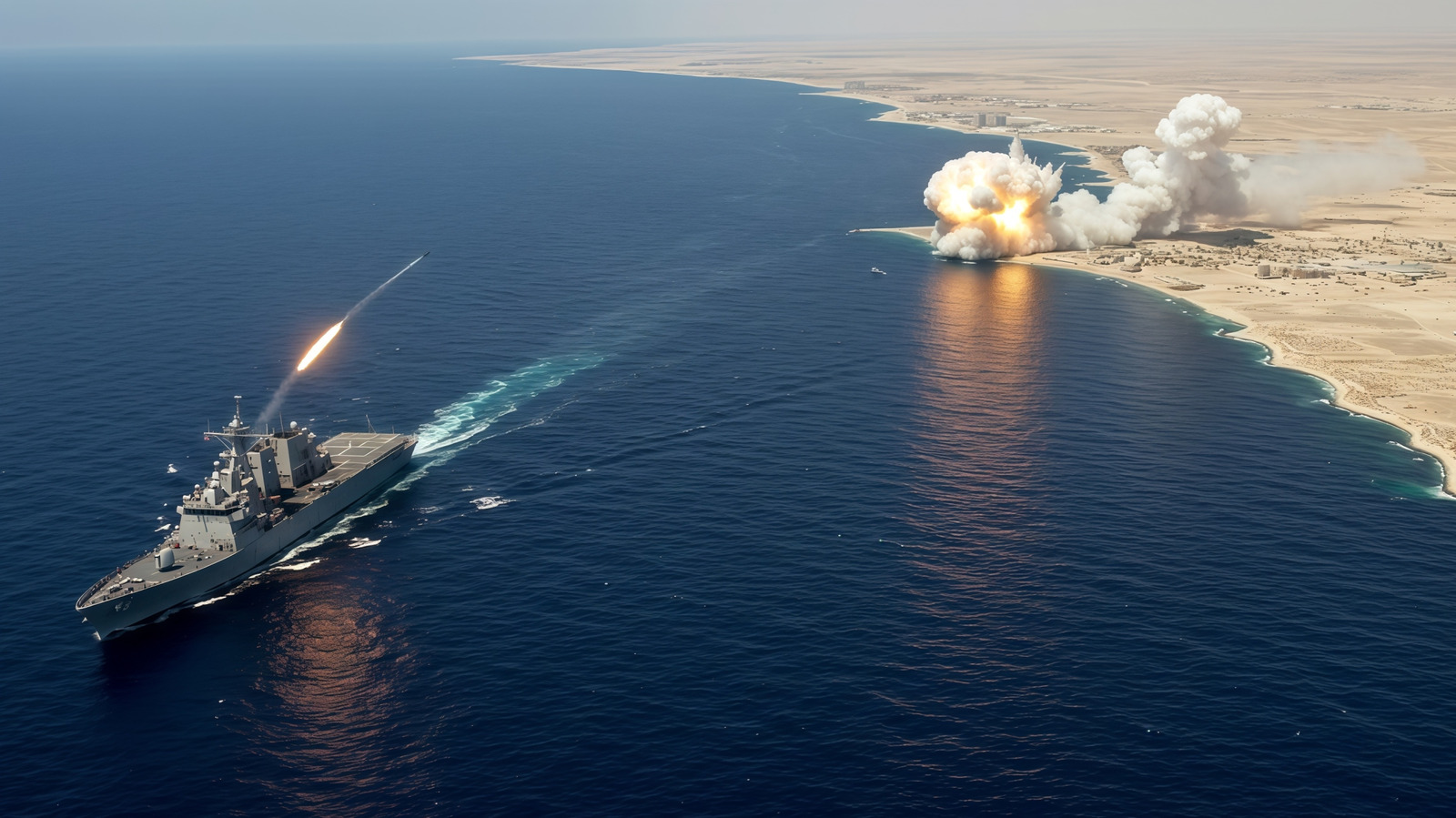
The effectiveness of the U.S. Navy can't be measured through training exercises with dry fire. One of the most critical aspects of preparing sailors for actual combat and testing tactical proficiency is live-fire training. In fact, there have been plenty of examples of this off the coast of southern California, such as when the Naval Surface and Mine Warfighting Development Center ran training for the better part of a month in 2020, with live ammunition and multiple vessels. But what does the Navy actually shoot at?
Of course, the Navy has some advanced floating targets that feature engines that can be remote controlled and up to 50 feet in length. But these options are too costly to be used in every single exercise, so cheap, towed targets are utilized instead. The trouble is that sometimes these little unpowered boat targets can get left behind after training has concluded. In one case, a target boat drifted across the Atlantic, starting its journey in Florida, and was eventually found on a beach in Cornwall, United Kingdom. This small vessel reportedly traveled some 4,000 miles over the course of a year at sea. Fortunately, misplacing one of these target boats isn't anything like the time a $60 million U.S. Navy jet was lost at sea after falling off an aircraft carrier.
Unfortunately, that costly mishap wasn't the only instance — the Navy really needs to stop feeding F/A-18 Hornets to the Red Sea. Nevertheless, to those who stumble upon these odd targets drifting helplessly in the water, it can be a strange sight to behold. For example, one man uploaded his experience to the Instagram account paddlegoat. He got close enough to read, "USN PETT" across the boat's stern, which stands for "United States Navy Polyethylene Tow Target."
The first thing to notice about these tow targets is the bright orange coloring, which helps them stand out. These vessels are 15 feet in length and cost $5,000, according to the Defense Technical Information Center (DTIC). This is by far the least expensive option, considering unmanned powered vessels can run $180,000 each. Instead of being pulled behind a manned seacraft, which could place military personnel a bit too close to live ammunition during training, these PETT boats are tethered to remotely controlled vessels.
Despite their main purpose being destruction, PETT boats must be able to accommodate additional gear onboard, which allows for exercise variety. Depending on the need, these little target boats can be made to look different on radar or infrared sensors.
PETTs also need to be robust enough to take some serious punishment before finally succumbing to their injuries. How much punishment, you ask? According to GovTribe, more than 30 half-inch holes shouldn't stop the vessel from being towed away. And believe it or not, it's not just the Navy that's out at sea running live exercises — killer whales have used yachts for target practice in Spain's coastal waters, perfecting their hunting skill for when it counts.