Do you really need a vibration plate? GP tackles TikTok trends
Hot water, castor oil, vibration plates, and mountains of protein are being touted as must-haves by health and beauty influencers on TikTok. But how many of these trends actually make a difference?
Dr Ahmeda Ali from Webdoctor spoke with RTÉ Lifestyle to sort the fact from the fiction.
Drinking Hot Water
The "Chinese Baddie" trend on TikTok has seen a myriad of people adopting traditional Chinese wellness practices, like drinking hot water and opting for cooked vegetables instead of cold salads, as a way of levelling up their wellness.
So, is it really better to drink warm water over cold? Well, like many of these trends, it all comes down to the individual.
"From a medical point of view, there's no major advantage," states Dr Ali. "The best temperature is simply the one that you are comfortable with. Warm water can sometimes feel as if it's soothing to the stomach, so it actually motivates some people to drink a little bit more, which is great."
"At the end of the day, it's about hydration," she adds. "Hydration is what matters rather than the temperature of the water."
As for choosing cooked vegetables over raw, Dr Ali explains that heat can break down cell wall components of the food, softening the fibre and making it a little easier to digest.
Again, though, it comes down to what suits the individual: "It's all about finding out what our own gut can tolerate best," she confirms.
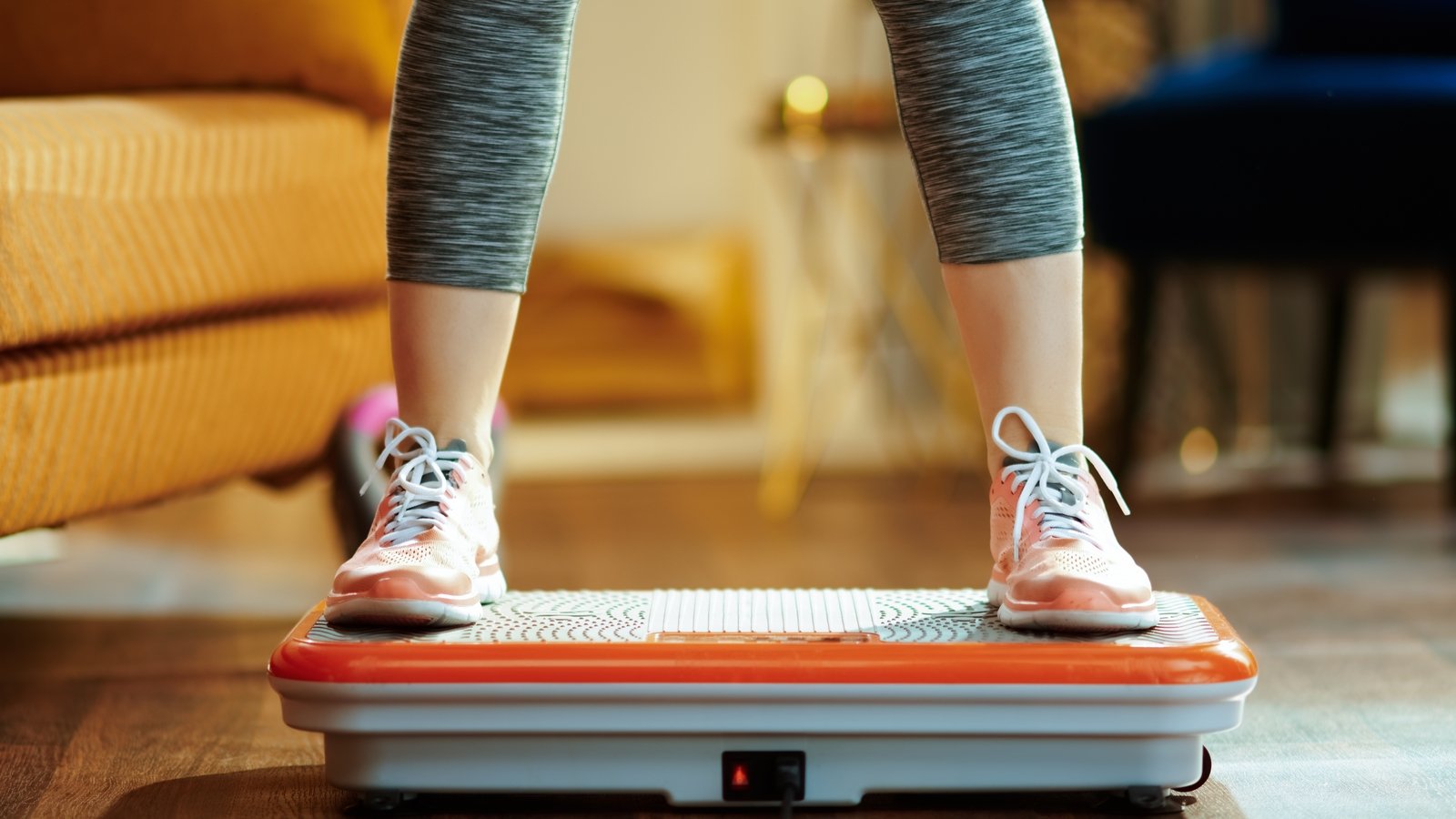
Vibration Plates
If you scroll through social media, you're likely to see people claiming that vibration devices can help boost circulation, support lymphatic drainage, release tension, and even reset your nervous system.
So, are they worth your money?
"Vibration plates can stimulate muscle, movements, circulation, and we actually use them sometimes for physiotherapy and rehabilitation processes," she says. "But we don't actually need to get one to get the benefits."
"Unfortunately, it's not a magic fat burner," she adds. "It's not a detox machine. It doesn't cleanse our lymphatic system."
Although Dr Ali agrees that vibration plates do stimulate muscle circulation, she insists the same results can be gained through simple movements at home.
"Jump around, stretch, dance," she lists. "Anything that can use our muscles will naturally help our circulation and get our lymphatic system flowing. Thankfully, we don't need a machine for that, we can just move our body - simple as that, really."
Protein and 'fibremaxxxing'
Protein and fibre have become the buzzwords of the health industry in recent years, and for good reason. But exactly how much do we actually need?
"There's a lot of confusion out there," admits Dr Ali, who explains that, as a GP, she would recommend people follow the food pyramid rather than focus on extreme protein targets.
The food pyramid recommends two servings of protein per day - lean meat, fish, eggs, beans, nuts - and that's how most people can meet their protein needs without overdoing it.
"Protein is important, don't get me wrong," she continues. "It helps with muscle repair, immunity, day to day energy levels, but the thing we should be aware of is that we don't actually need massive amounts of it. We just need regular amounts, balanced servings, and that will do the job for us."
Fibre, on the other hand, is something we could all give more attention to.
According to the Irish Heart Foundation, the average adult should eat 24-35g of fibre a day. However, evidence suggests that 80 per cent of adults in Ireland are not getting enough fibre in their diets.
"This is an area we can work on," says Dr Ali. "If we increase our fibre intake, it can actually help us in terms of gut health, making sure our bowels are regular.
"It can actually reduce the risk of heart disease and type two diabetes, that's why the Irish Heart Foundation are trying to push this evidence and highlight it."
The Anti-Inflammatory Diet
Sophie Richards, author of The Anti-Inflammatory 30-Day Reset, has claimed that an anti-inflammatory diet helped her cope with pain and bloating caused by endometriosis. Is there enough scientific research to back this up?
"This is a really important conversation for us to have," says Dr Ali.
"There is evidence out there that diet can influence symptoms of conditions where there is chronic inflammation, such as endometriosis. The thing is, it's not seen as a cure, so it's more of a complementary tool."
As it stands, Dr Ali says that the medical community simply don't have enough evidence compiled yet: "We need a good, high-quality, scientific study."
Adding: "We can't call it a treatment just yet, so it's more of a support."
Castor Oil Naval Pulling
Castor oil navel pulling - the act of pouring castor oil in the belly button overnight - is supposedly helping people with bloating, digestion, and sleep. Is there any scientific truth to this?
"I understand why this trend is around, it actually comes from traditions," says Dr Ali. "This is part of an Ayurvedic Indian tradition. Basically, what they believe is, if you put a substance in the belly button, it can help cleanse people in terms of bloating, digestion, and help them sleep."
"Unfortunately, scientifically and medically, it's a straight no. There's no scientific evidence behind it."
However, the GP says that if people find relief, they can absolutely go ahead with it:
"That gentle massage of the belly area, some people do find that quite relaxing. It eases tension, and if you're using warm oil, it can be comforting."
Final Thoughts
Dr Ahmeda Ali
While viral videos and trending techniques can help spark healthy habits, Dr Ali reminds us that social media posts aren't always based in science.
Ultimately, everybody is different, and we need to focus on caring for our own health in balanced and sustainable ways.
"If something sounds extreme, expensive, or too good to be true? It probably is," she says. "We need to stick to the basics - move regularly, eat healthy food, stay hydrated, and reach out for proper medical advice."
If you have health-related queries, be sure to reach out to a GP or a relevant medical professional.